
He has more than four thousand victims on his account. The story of the punisher Semyon Serafimovich

Photo is illustrative in nature. From open sources.

News of the topic Semyon Serafimovich was born in 1910 in the village of Skomaroški, Minsk province. Later, this territory was part of Poland. The family of wealthy peasants had three children. Serafimovich served in the Polish army, and then worked as a miller. How did he turn into a cruel killer? We tell you in the BELTA "Chronicles" project.
- Starting from the age of 11, the boy was raised in an area where capitalist relations continued to develop. There is information that he later owned a mill. When Soviet power came to power in 1939 and Western and Eastern Belarus were reunited, this mill was nationalized on September 17. Serafimovich continued to work there. As we can see, he was a representative of such a wealthy peasantry, - said Sergei Kaun, senior lecturer at the Belarusian State University.
In the Polish army, Serafimovich was a cavalry sergeant. At that time, it was a prestigious branch of the military.
- I wanted to make a career by any means, primarily in the military sphere. I actively strived to get to the top and managed to achieve a position that for many Western Belarusians was the limit of the career ladder at that time. It is worth noting that he used any opportunities for advancement regardless of the means that were required for this, - noted Vitaly Garmatny, Senior Researcher at the Center for Military History of Belarus, PhD in History, Associate Professor.
Serafimovich went over to the side of the occupiers immediately after the start of the war. Without threats, doubts and regrets.
- He hated the Soviet government due, apparently, to proprietary issues. I immediately joined the auxiliary police. By the beginning of the war, he was already 31 years old. He had already served in the Polish army, that is, he had some combat experience. They remember that he often rode a horse, he had a saber, sometimes he used it, - added Sergei Kaun.
At first, Serafimovich became the head of the so-called small-town police in the village of Turets. He was the commandant of the garrison.
- His atrocities are the very first episode of a mass punitive operation to exterminate the prisoners of the ghetto, which was located in the town of Turets. The ghetto residents were driven out into the street and lined up. About 100 fairly young people who could still work and be useful to the occupation authorities were selected. The rest, about 500 people, were sent to the graves already prepared nearby and shot. The atrocity was committed by fascists, Germans, but members of the auxiliary police provided them with great assistance, they escorted them to the place of execution, - explained the deputy head of the Department of State Prosecution and Appellate Proceedings of the Main Department of Criminal and Judicial Supervision of the Prosecutor General's Office of Belarus, Alexander Demidov.
In 1943, Serafimovich was entrusted with the formation and command of a reinforced punitive detachment of the auxiliary police of the city of Baranovichi, which took part in one of the largest punitive actions - "Herman".
- Operation "Herman" was carried out in July-August 1943. The task was to destroy the partisans as much as possible, deprive them of food supplies and support from local residents. Therefore, not only were battles with the partisans carried out, but cattle was also driven away from those villages that sympathized with the partisans. Serafimovich and his henchmen acted as German spies, reported on the mood in this or that village, and also directly carried out punitive operations. At that time, the murder of at least four people by the hands of Serafimovich was recorded, - said Vitaly Garmatny.
- They destroyed people on the territory of Belarus - captured, shot, burned, hanged, tortured, and so on. As the same Oswald Rufeisen recalled, Serafimovich even killed with a stake. According to the criminal case, the murder of 4,144 people was proven, including 626 children. That is, he killed children, and often did it personally. Often he gave orders as a leader, a commander. During the war, as his translator noted, he drank a lot. That is, he was in a statealcohol intoxication , which made him very aggressive and so on, - added Sergey Kaun.
When Serafimovich managed the police in Mir, he collected taxes, food , maintained law and order. That is, there were many tasks.
- When he transferred to a special punitive detachment, his main task was to fight the partisans. That is, it was a well-armed, trained military unit that constantly participated in clashes, - clarified Alexander Demidov.
Serafimovich committed atrocities with impunity throughout the war. It was important for him not just to kill, he wanted to see the suffering of defenseless people.
- As witness Alexander Vecherka recalled, Serafimovich himself killed his great-grandfather Aleon Vecherka, who was the first chairman of the collective farm in Pogoreltsy. As well as the chairman of the local village council and one of the residents with whom he once had a conflict at the mill where he once worked. According to witnesses, Serafimovich took great pleasure in personally eliminating those with whom he had previously had some kind of conflict. He proved himself to be an executive servant who did not stop at any task. Eyewitnesses said that it was a great pleasure for him not just to kill, but to torture and torment a person. In addition to shooting at point-blank range, he also liked to beat with a club first, break arms and legs, - explained Vitaly Garmatny.
- He organized a brothel, raped Jewish girls and immediately killed them so that they would not tell anything. What can be said about such a person? There are even specific names. Four girls, with his henchmen. Everything burst out of the man, the beast inside came out, - added Sergei Kaun.
Serafimovich did not want to answer for his crimes. When it became clear that a turning point had come in the war, the traitor tried to save himself. How? Watch in.
| Prepared based on BELTA video. Screenshots of the video.
Read also:
- Starting from the age of 11, the boy was raised in an area where capitalist relations continued to develop. There is information that he later owned a mill. When Soviet power came to power in 1939 and Western and Eastern Belarus were reunited, this mill was nationalized on September 17. Serafimovich continued to work there. As we can see, he was a representative of such a wealthy peasantry, - said Sergei Kaun, senior lecturer at the Belarusian State University.
In the Polish army, Serafimovich was a cavalry sergeant. At that time, it was a prestigious branch of the military.
- I wanted to make a career by any means, primarily in the military sphere. I actively strived to get to the top and managed to achieve a position that for many Western Belarusians was the limit of the career ladder at that time. It is worth noting that he used any opportunities for advancement regardless of the means that were required for this, - noted Vitaly Garmatny, Senior Researcher at the Center for Military History of Belarus, PhD in History, Associate Professor.
Serafimovich went over to the side of the occupiers immediately after the start of the war. Without threats, doubts and regrets.
- He hated the Soviet government due, apparently, to proprietary issues. I immediately joined the auxiliary police. By the beginning of the war, he was already 31 years old. He had already served in the Polish army, that is, he had some combat experience. They remember that he often rode a horse, he had a saber, sometimes he used it, - added Sergei Kaun.
At first, Serafimovich became the head of the so-called small-town police in the village of Turets. He was the commandant of the garrison.
- His atrocities are the very first episode of a mass punitive operation to exterminate the prisoners of the ghetto, which was located in the town of Turets. The ghetto residents were driven out into the street and lined up. About 100 fairly young people who could still work and be useful to the occupation authorities were selected. The rest, about 500 people, were sent to the graves already prepared nearby and shot. The atrocity was committed by fascists, Germans, but members of the auxiliary police provided them with great assistance, they escorted them to the place of execution, - explained the deputy head of the Department of State Prosecution and Appellate Proceedings of the Main Department of Criminal and Judicial Supervision of the Prosecutor General's Office of Belarus, Alexander Demidov.
In 1943, Serafimovich was entrusted with the formation and command of a reinforced punitive detachment of the auxiliary police of the city of Baranovichi, which took part in one of the largest punitive actions - "Herman".
- Operation "Herman" was carried out in July-August 1943. The task was to destroy the partisans as much as possible, deprive them of food supplies and support from local residents. Therefore, not only were battles with the partisans carried out, but cattle was also driven away from those villages that sympathized with the partisans. Serafimovich and his henchmen acted as German spies, reported on the mood in this or that village, and also directly carried out punitive operations. At that time, the murder of at least four people by the hands of Serafimovich was recorded, - said Vitaly Garmatny.
- They destroyed people on the territory of Belarus - captured, shot, burned, hanged, tortured, and so on. As the same Oswald Rufeisen recalled, Serafimovich even killed with a stake. According to the criminal case, the murder of 4,144 people was proven, including 626 children. That is, he killed children, and often did it personally. Often he gave orders as a leader, a commander. During the war, as his translator noted, he drank a lot. That is, he was in a statealcohol intoxication , which made him very aggressive and so on, - added Sergey Kaun.
When Serafimovich managed the police in Mir, he collected taxes, food , maintained law and order. That is, there were many tasks.
- When he transferred to a special punitive detachment, his main task was to fight the partisans. That is, it was a well-armed, trained military unit that constantly participated in clashes, - clarified Alexander Demidov.
Serafimovich committed atrocities with impunity throughout the war. It was important for him not just to kill, he wanted to see the suffering of defenseless people.
- As witness Alexander Vecherka recalled, Serafimovich himself killed his great-grandfather Aleon Vecherka, who was the first chairman of the collective farm in Pogoreltsy. As well as the chairman of the local village council and one of the residents with whom he once had a conflict at the mill where he once worked. According to witnesses, Serafimovich took great pleasure in personally eliminating those with whom he had previously had some kind of conflict. He proved himself to be an executive servant who did not stop at any task. Eyewitnesses said that it was a great pleasure for him not just to kill, but to torture and torment a person. In addition to shooting at point-blank range, he also liked to beat with a club first, break arms and legs, - explained Vitaly Garmatny.
- He organized a brothel, raped Jewish girls and immediately killed them so that they would not tell anything. What can be said about such a person? There are even specific names. Four girls, with his henchmen. Everything burst out of the man, the beast inside came out, - added Sergei Kaun.
Serafimovich did not want to answer for his crimes. When it became clear that a turning point had come in the war, the traitor tried to save himself. How? Watch in.
| Prepared based on BELTA video. Screenshots of the video.
Read also:
Read together with it:
Test for Atnibiotics in Milk
 Rapid tests for fluoroquinolone, erythromycin, lincomycin, tillosin and tilmycosin residues in milk, whey
 Rapid tests PIONER 5 in 1 for the determination of sulfonamides, tylosin, tilmicosin, lincomycin, erythromycin, fluoroquinolones
 Rapid tests for determining the residual amount of chloramphenicol in meat
 Rapid tests for determining the residual amount of tetracyclines in meat
 PIONEER MEIZHENG BIO-TECH (5 in1) JC0871/ Rapid tests for the determination of the residual amount of β-lactams, tetracyclines, chloramphenicol, streptomycins, ceftiofur in milk, whey.
 Express tests for determining the residual amount of β-lactams, tetracyclines, chloramphenicol, streptomycins in milk, whey
- ANTIBIOTICS / ELISA TESTS
- PIONEER MEIZHENG BIO-TECH (5 in1) JC1165 / Rapid tests for the determination of the residual amount of halofuginone, flavomycin, novobiocin, flunixin, dexamethasone / prednisolone in milk, whey
- PIONEER MEIZHENG BIO-TECH (5 in1) JC0586 - Antibiotic tests 5 in 1 / Rapid tests for determining the residual amount of β-lactams, tetracyclines and cephalexin in milk, whey
- Express tests for determining the residual amount of β-lactams and tetracyclines in milk, whey
Laboratory equipment
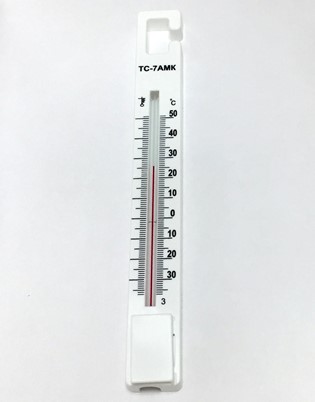 Thermometer TS-7AMK for refrigerators and freezers (-35...+50 °C)
 Mug for pouring milk (Russia)
 Thermohygrometer IVA-6AR (Russia)
 Bactericidal ultraviolet irradiator OBN
 Testeur de propreté du lait PMM-M
 MB90/MB120 moisture analyzer (Ohaus)
- Scrubber "KELTRAN" (KELTRUN)
- Table island low BA-CL- X.X Son TR
- Laboratory centrifuge for the dairy industry CLU-1 "Orbit" (Ukraine)
- Electronic thermometer Testo 905-T1
- Indicator strips for the determination of neutralizing substances (soda and ammonia) in milk, 100 pcs.
- HI 8424 portable pH/ORP meter/thermometer (pH/ORP/T)
- Robotic measuring complex based on milk analyzer "Expert Super Plem"
- PAL series digital pocket refractometers (Atago, Japan)
- Reagent cabinet
Packing
 Siliconized paper for hygiene products
 Grease and barrier paper KH PACK®
 KH PACK® tartlet paper
 KH PACK® bag making paper
 Paper sacks
 The paper packing fastened anticorrosive UNIK 14-70 THAT 5453-003-05773103-2005
- Korreks for desserts
- Carton
- Korreks for confectionery
- Parchment
- KH PACK® Straight Packing Paper
- Paper for micro-ribbed
- Backed Foil
- Laminating paper KH PACK®
- Salad dressings
Additional Products
 Ice cream sticks Standard 114
 Auxiliaries for sugar products
 General purpose environment of SPC "Biocompass-S" (Uglich)
 Ice cream sticks Standard 93
 Ice cream sticks (round)
 Ice cream sticks Magnum (curly)
- Wafer cup and cone
- Petri dish 90 mm
- Ice cream sticks (with logo)
- Pepsin whey pork
- J-Bottom technology
Consumables
 Mug for milking the first streams of milk.
 Foaming cup for udder treatment
 Stainless steel obstetric aid
 Knife Hoofed
 Apron and armlets
 Sticky fly trap, 25cm*10m
- Disposable nitrile gloves (packing 100 pieces)
- Milk bottle
- Antibryk
- Alkaline detergent (20l / 24kg)
- Cup for disinfection of udder teats (non-returnable)
- Napkin reusable for wiping the udder
- Fall with a loop for cattle
- Spare pacifier
- Acid detergent (20l / 24kg)
Microbiology
 Substrate for accelerated determination of QMAFAnM, (catalog number LR1321)
 MicroFast® Lactic Acid Bacteria Count Plate (Part Number LR1312)
 Substrate for determining QMAFAnM (catalog number LR1001)
 MicroFast® Microbiological Substrates
 MicroFast® Staphyloccocus aureus Confirmation Plate Staph.aureus Confirmation Plate (cat. no. LR1005Q)
 MicroFast® Environmental Listeria Count Plate
- Substrate for determining the number of staphylococci (Catalog number LR1005) MicroFast® Staphyloccocus aureus Count Plate
- MicroFast® Bacillus cereus Count Plate (catalog number LR1010)
- MicroFast® Coliform & E.coli Count Plate
- Yeast & Mold Count Plate (cat. no. LR1003) MicroFast® Yeast & Mold Count Plate
- MicroFast® Salmonella Count Plate (SAL), for the determination of Salmonella in food and environmental samples (Catalog #LR1006)
- MicroFast® Enterobacteriaceae Count Plate (cat. no. LR1011)
- Coliform Count Plate (catalog number LR1002) MicroFast® Coliform Count Plate
Our News
 Выращивание зерновых и животноводство. Богданов обсудил перспективы сотрудничества в АПК Беларуси и Казахстана01.02.2026
 Выпойка молоком 3-4 раза, больше теплой воды. Как в Брестской области наладили уход за телятами в морозы01.02.2026
 From Tractor Driver to Businessman: The Story of a Belarusian Who Built a Farm from Scratch and a Church in a Village 30.01.2026
- A warehouse in the Minsk region improperly stored powdered milk: a court ordered compensation of Br2 million.30.01.2026
- Increased processing volumes, new jobs: production capacity is being expanded in the Shklov district.30.01.2026
- История белоруса, построившего с нуля крепкое фермерское хозяйство и возродившего родную деревню29.01.2026
- Белорусские производители планируют выйти на катарский рынок мясной продукции29.01.2026
- Беларусь заинтересована в расширении поставок молочной продукции в Индонезию28.01.2026
- Рекорд по свекле, прирост по молоку: в Гродненской области подвели итоги работы АПК 28.01.2026
- Как идет зимовка на МТФ в Гродненской области и как переносят мороз озимые, рассказал специалист 28.01.2026
- Original products and two exhibition pavilions: Belarus's exhibit conquers the Gulfood exhibition in the UAE.27.01.2026
- Exchange trading on the BUCE: geography, sales leaders 27.01.2026
- Belarus intends to expand the range of goods in exchange trade with Azerbaijan.27.01.2026
- "The work of a scientist is at the heart of everything." Why BSUT focuses on science 25.01.2026
- Industrial development and new jobs: what projects are planned for the Klimovichsky District 24.01.2026
- A growth point and key development area: Krutoy on livestock farming in the Klimovichi district24.01.2026
Articles
 В Магаданском порту проведён контроль за 195 тоннами животноводческой продукции30.01.2026
 Цены на говядину в России выросли на 1% за неделю, свинина подешевела на 0,4%30.01.2026
 Карантин по лейкозу КРС в Прилузском районе Коми отменён30.01.2026
- На Ямале выявлены два заведения общепита, работающие без прослеживаемости мясной продукции30.01.2026
- Omsk Bacon increased production of semi-finished pork products by 17% in 2025.30.01.2026
- Птицефабрика «Агрокомплекс» увеличила производство товарного яйца на 9% в 2025 году30.01.2026
- Agrosila Holding presents a new product line at PRODEXPO-202630.01.2026
- Miratorg-Kursk receives environmental certification for the entire year 2026.30.01.2026
- Уругвай: мясные отрубы, субпродукты, генетика и ирригация — в повестке дня миссии в Китае30.01.2026
- Argentina: Record foreign exchange earnings from exports in 202530.01.2026
- Компания, создавшая гамбургеры Paty, обанкротилась: долг в 23 миллиарда долларов и 1000 недействительных чеков30.01.2026
- Парагвай готовится конкурировать на рынке экспорта живого скота в Турцию30.01.2026
- Геномная селекция в животноводстве Ставрополья: поддержка и новые перспективы29.01.2026
- Новый этап в агропромышленном развитии Тверской области: соглашение с Ферма СК29.01.2026
- Свинокомплекс "Сибагро" занимает лидирующие позиции на рынке Монголии29.01.2026
- Бывший чиновник из Нижегородской области лишился имущества за незаконное привлечение мигрантов29.01.2026
Economics
 10 reasons to take a deposit04.05.2025
 The EU confirmed discussions on banning entry for participants in the military operation.31.01.2026
 Bloomberg has revealed a new possible EU sanctions plan against Russia.31.01.2026
- ЕС включил Россию в черный список по отмыванию денег30.01.2026
- The EU has imposed new sanctions on Iran in response to the suppression of protests.30.01.2026
- Евросоюз признал КСИР террористической организацией30.01.2026
- The US has eased sanctions and allowed oil companies to operate in Venezuela.30.01.2026
- Titov allowed for the return of foreign companies that "miss Moscow"30.01.2026
- Following the deal with Carlyle, LUKOIL continued negotiations with other companies.29.01.2026
- Макрон заявил о подготовке Францией новых санкций против России29.01.2026
- In Finland, Russian students were given suspended sentences for violating sanctions.28.01.2026
- Минэк сообщил о принудительном лицензировании технологий ушедших компаний28.01.2026
- Reuters reported on Airbus' letter to employees about damages and future crises.27.01.2026
- The EU Council approved fines for companies importing Russian gas.27.01.2026
- Лондон оштрафовал Банк Шотландии за нарушение санкций против России27.01.2026
- The Belgian Prime Minister stated that "Europe is not at war with Russia."22.01.2026
Antibiotics in Milk
 Antibiotics in milk: causes and methods of detection27.01.2026
 Pharmaceutical companies see a threat to EU security due to bacteria in Ukraine13.11.2025
 Прокуроры объявили предостережения более 5 тыс. компаний из-за роста цен09.09.2025
- Две молочные компании из Азербайджана не захотели работать с Россией09.07.2025
- Лукашенко рассказал, как Путин угостил его козьим молоком08.07.2025
- Lukashenko demanded that Belarus be cleared of littered logs by autumn.08.07.2025
- Лукашенко заявил, что Белоруссии выгодно не «одуревши воевать», а кормить17.06.2025
- В Британии предупредили о риске для миллионов из-за супербактерий06.01.2025
- Moscow court sides with Indian company in dispute with Health Ministry26.11.2024
- Scientists estimate increase in mortality due to drug-resistant bacteria29.10.2024
- Antibiotics for livestock and pesticides found in poisoned family's home29.10.2024
- Izvestia reported on the shortage of widely used antibiotics in Russia29.10.2024
- The Ministry of Health called data on the shortage of antibiotics unreliable29.10.2024
- Scientists warn of threat of return to pre-penicillin times29.10.2024
- The Ministry of Health explained how attitudes towards antibiotics changed during the pandemic07.05.2024
- WHO explains the risks of taking antibiotics "just in case"06.05.2024
Antibiotics in Meat
 Antibiotics in pollock25.02.2024
 Antibiotics in herring: myth or reality?12.02.2024
 Antibiotics in perch10.02.2024
- Antibiotics in sprat: facts and myths10.02.2024
- Antibiotics in tuna: an important health and environmental issue09.02.2024
- Antibiotics in meat30.01.2024
- Antibiotics in chebureks: myth or reality?29.01.2024
- Antibiotics in cutlets: problem or myth?18.01.2024
- Antibiotics in Chicken: Where Are the Highest Concentrations?17.01.2024
- Antibiotics in carp17.01.2024
- Where Are More Antibiotics in Chicken: Reality and Cautions16.01.2024
- Antibiotics in Salmon: Safety and Product Quality16.01.2024
- Antibiotics in Turkey15.01.2024
- Antibiotics in Sal: Reality and Safety Issues15.01.2024
- Antibiotics in Fried Dumplings: Facts, Risks and How to Stay Safe15.01.2024
- Antibiotics in sausages14.01.2024
10 Interesting Facts
 Antibiotics in Coffee: Myths and Reality03.05.2025
 Forged forks: 10 interesting facts16.05.2024
 Swimming pool and weight loss: 10 interesting facts10.03.2024
- Tests for antibiotics in milk - 10 interesting facts07.03.2024
- Cleaning the kettle from scale, 10 interesting facts...06.03.2024
- Antibiotics in beer: 10 interesting facts04.03.2024
- Wild boar, how to survive...01.03.2024
- Purulent mastitis, 10 interesting facts27.02.2024
- Lemon and alcohol: 10 interesting facts25.02.2024
- Mint - 10 interesting facts25.02.2024
- Wild boar, 10 interesting facts20.02.2024
- Wild boar and domestic pig: comparison and advantages20.02.2024
- Cottage cheese, 10 interesting facts20.02.2024
- 10 Interesting Facts About Milk19.02.2024
- How to Clean a Toilet - 10 Interesting Facts (Acid vs Alkaline)18.02.2024
- Goat's milk: 10 interesting facts16.02.2024
Diseases of cattle
 Dicroceliosis in cattle09.03.2024
 Demodicosis in cattle01.03.2024
 Purulent mastitis of cattle27.02.2024
- Hypodermatosis in cattle20.02.2024
- Hemonchoz in cattle11.02.2024
- Bursitis in cattle30.01.2024
- Brucellosis in cattle29.01.2024
- Bronchopneumonia in calves27.01.2024
- Bronchitis in cattle26.01.2024
- Mortellaro disease in cattle24.01.2024
- White muscle disease in cattle23.01.2024
- Babesiosis in cattle22.01.2024
- Cattle acidosis20.01.2024
- Arthritis in cattle20.01.2024
- Anaplasmosis in cattle18.01.2024
Misc
- Antibiotics for coughs: when they are needed and when they are not11.02.2024
 The State Traffic Inspectorate reminded drivers of road safety rules during severe frosts.31.01.2026
- A woman driving under the influence of alcohol with over 2 ppm was detained in Minsk.30.01.2026
- Наведение порядка в АПК, пожарная безопасность. Какие задачи поставлены перед прокурорами Витебской области 30.01.2026
- A car crashed into a tree on Independence Avenue in Minsk, injuring two people.30.01.2026
- Топ экспортируемых товаров назвали в "Белгоспищепроме"29.01.2026
- Житель Кировского района жестоко убил свою собаку, возбуждено уголовное дело29.01.2026
- Двух нетрезвых водителей с детьми в салоне остановили сотрудники ГАИ в Витебской области28.01.2026
- В Лидском районе задержали пьяного угонщика авто, который въехал в сугроб28.01.2026
- "Видеть болевые точки на местах и реагировать". На что нацелил витебскую милицию глава МВД28.01.2026
- Борьба с коррупцией, профилактика пожарной безопасности. Генеральный прокурор поставил задачи на коллегии в Гомеле 28.01.2026
- В Витебской области более 300 пешеходов за выходные привлекли к ответственности за нарушения ПДД27.01.2026
- Более 40 бесправников остановили на дорогах Гомельской области за три дня 27.01.2026
- A drunk driver without a license was stopped at gunpoint in the Minsk region.27.01.2026
- "Увидела противоположную сторону жизни". Женщина-участковый о самом сложном в работе24.01.2026
- In the Smorgon district, a teenager was driving a group of drunks and was involved in an accident. How was his father punished?24.01.2026
Cloud of Tags
КартофельAppleДолларКитайФруктыВыручкаПроизводство молокаБолезньМинскЕСЦентробанкКазахстанАлександр ЛукашенкоМолокоВладимир ПутинБизнесЛекарстваTelegramРоссельхознадзорРаботаВирусЭкономикаМинсельхозТатарстанПтицефабрикаКоронавирусСанкцииСельское хозяйствоОрганизмBloombergСпутник vОтпускFacebookЕврокомиссияРубльИммунитетВакцинацияБразилияRussiaМужчиныКарантинВакцинацииКРСОнлайнПроизводство мясаВластиПравительствоОбщепитПитаниеТурцияЯйцаНедвижимостьДжо БайденCOVID-19ReutersВеликобританияДмитрий песковСШАКлиматЖивотноеБройлерФермерИнфляцияКолбасыРосстатИталияЗаконопроектРоспотребнадзорУборкаДональд ТрампПродукцияАвстралияминистр сельского хозяйстваГазпромРоссияМинздравПрокуратураЗеленскийЗависимостьУкраинаМаслоДиректорЛечениеЯпонияПольшаСмертьЕАЭСУрожаяКрупного рогатого скотаУкраинеСудГовядинаДетиДеньгиДоходыЗаконБеларусьИсследованияЕгипетКанадаВеликобританииМЧС2024РодителиАнтибиотиковПраздникАЧСGoogleМясо птицыТребованияАлкогольного опьяненияВьетнамНефтьИмпортГерманияПензенской областиКофеКредитЗапретМясокомбинатПродовольствиеСотрудники ГАИФранцияСубсидииСанкт-ПетербургИнвестицииВ китаеАзербайджанГовядинуНовостиЭкспортМинфинЗдоровьеПесковПоддержкаМоскваСвининаАлкогольПродукты питанияУченыеКризисУзбекистанТАССРоссиянеКрупный рогатый скотМясоВостокСырыПодмосковьеЦены