Russian Union of Industrialists and Entrepreneurs invited the government to support manufacturers of alternative products
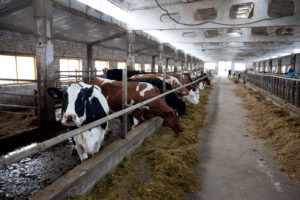
Photo is illustrative in nature. From open sources.


The Russian Union of Industrialists and Entrepreneurs (RSPP) has prepared proposals to the government on the development of the market for modern agricultural and food technologies in Russia. In particular, the union proposed to provide preferential loans to projects for the development and production of alternative food products (created from insect protein or vegetable proteins), to compensate them for capital costs, and to subsidize their expenses for the purchase of equipment. This was reported by the press service of the union.
RSPP also asks to simplify the certification procedure for alternative food products and their producers. According to the organization, existing digital solutions will make it possible to verify the quality of plant products with minimal human involvement and without manual data entry. In addition, it is proposed to introduce the concept of alternative food products, as well as standards for their production, labeling and sale, into the legal framework.
According to Igor Vdovin, Vice President of the Russian Union of Industrialists and Entrepreneurs, Chairman of the Committee on Investment Policy, Development Institutions and Export Support, in the first nine months of this year, the volume of investments in high-tech venture projects in the United States reached $239 billion. At the same time, in Russia, the amount of investment in three years did not exceed $300 million “Our country has all the conditions for the development of technologies and an economic breakthrough, but there is not enough state support. It is necessary to ensure that advanced technologies receive their recognition and interest from the government,” Vdovin said.
The RSPP also believes that in the Russian food industry it is necessary to expand state support for projects using advanced argofoodtech solutions, including deep processing of renewable raw materials and the production of alternative food products. According to the organization, this will help create a new competitive ecosystem. The state is also invited to stimulate the use of biopesticides and fertilizers based on live bacteria.
Vdovin drew attention to the fact that traditional agriculture accounts for about 30% of greenhouse gas emissions. “We can reduce the impact on the environment, we can start consuming less resources, such as land and water, by almost 96-97%. And all this thanks to alternative power sources. Therefore, it is important to make the agrofoodtech agenda relevant for Russia, to attract the attention of investors to it, and to mobilize innovative start-ups,” he said.
Aleksey Ivanov, coordinator of the “We Eat Better” project, said that over the past two years, medium and large companies (Efko, Kotletar, Okraina, Naro-Fominsky meat processing plant). “At the same time, small startups, which initially do not have significant resources, high-quality equipment and a staff of technologists, most often have a harder time. Therefore, state support for this industry can certainly accelerate the process of research, development and launch of innovative alternative products on the market,” Ivanov is sure.
Technologies for making soups, salads, crackers and marmalade from jellyfish are being developed by VNIRO scientists
Also, in his opinion, support in improving the infrastructure for research and development of alternative products is important. For example, there is great potential for the production of alternatives by fermentation. Ivanov noted that in the first three quarters of 2021, $1.3 billion was invested in this area in the world. “However, in Russia there are still very few suitable industries for this. At the same time, there are already teams in the country that are engaged in research and development of this direction, which is still unfamiliar to us, says Ivanov. “In the case of the production of plant-based alternatives, the situation is better: for example, existing meat processing plants already have many of the components necessary to start producing alternative products.” According to Ivanov, one should not forget about the great export potential of Russian alternative products.
Read together with it:
Test for Atnibiotics in Milk
 PIONEER MEIZHENG BIO-TECH (5 in1) JC0586 - Antibiotic tests 5 in 1 / Rapid tests for determining the residual amount of β-lactams, tetracyclines and cephalexin in milk, whey
 Rapid tests for determining the residual amount of chloramphenicol in meat
 Rapid 4 in 1 tests for determining the residual amount of neomycin, kanamycin, gentamicin, spectinomycin in milk, whey
 Express tests for determining the residual amount of β-lactams and tetracyclines in milk, whey
 Express-tests PIONER 5 in1 for the determination of thiamphenicol, meloxicam, colistine, trimethoprim, sulfonamides
 PIONEER MEIZHENG BIO-TECH (5 in 1) JC0726 / Rapid tests for determining the residual amount of Bacitracin, ansamycins, clindamycin, spiramycin, florfenicol in milk, whey
- Express tests for determining the residual amount of β-lactams, tetracyclines, chloramphenicol, streptomycins in milk, whey
- Rapid tests for determining the residual amount of tetracyclines in meat
- Rapid tests for fluoroquinolone, erythromycin, lincomycin, tillosin and tilmycosin residues in milk, whey
- PIONEER MEIZHENG BIO-TECH (5 in1) JC0871/ Rapid tests for the determination of the residual amount of β-lactams, tetracyclines, chloramphenicol, streptomycins, ceftiofur in milk, whey.
Laboratory equipment
 Light colored glass bottle without a faucet
 ColonyStar Semi-Automatic Microbial Colony Counter
 Abbe refractometers Atago
 ROTILABO® timers with countdown / countdown, white
 Piston oil sampler (d=20 mm, h cylinder=25 mm)
 Filter element for OBM device with a diameter of 35mm (100pcs/pack)
- Blade Homogenizer MicroBio BA400
- Hanging cabinet with 3 drawers BA-CL- Х.Х ТНЯ-3
- Memmert drying cabinets UN/UF series (Germany)
- Timer with winding for 20 hours electronic Aptaca
- LOIP LAB-FH-Euro flask heater
- pH electrodes Hanna Instruments (Germany)
- Laboratory blender Waring (USA)
- Stationary thermohygrometer IVA-6B2 (Russia)
- Areometer AON - 1 (set of 19)
Packing
 Cartons for milk and dairy products
 Grease and barrier paper KH PACK®
 Korreks for confectionery
 Siliconized paper for hygiene products
 Paper sacks
 Plastic packaging for cakes and pastries
- Paper for micro-ribbed
- Skiving and Hemming Technology
- KH PACK® bag making paper
- Ice cream chopsticks
- Cover
- KH PACK® tartlet paper
- GableTop aseptic packaging
- Backed Foil
- Laminating paper KH PACK®
Additional Products
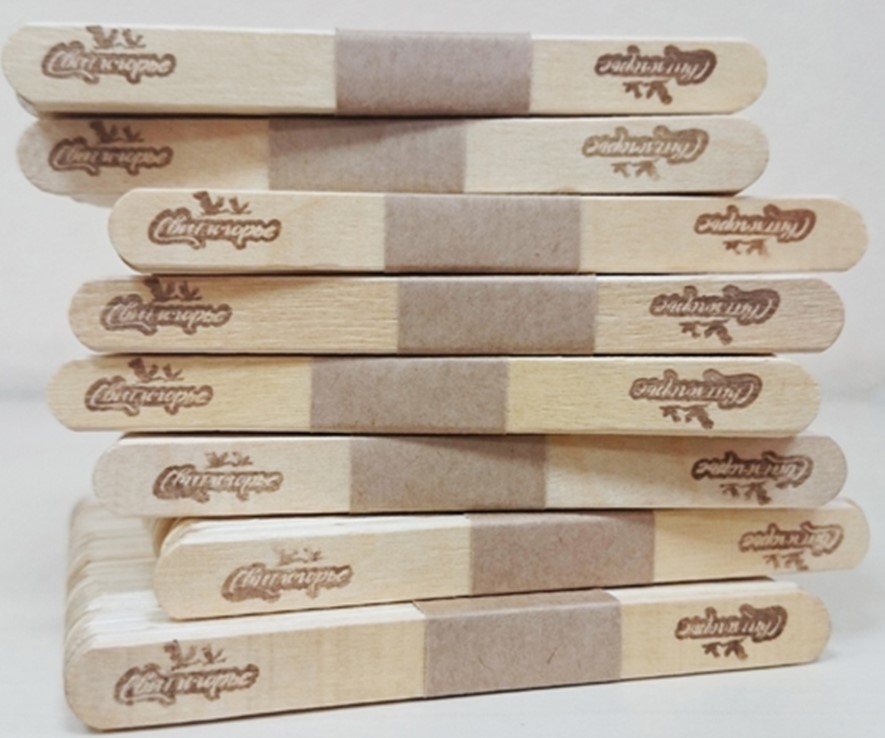 Ice cream sticks (with logo)
 Pepsin whey pork
 Ice cream sticks (round)
 Auxiliaries for sugar products
 Ice cream sticks Magnum (curly)
 Wafer cup and cone
- General purpose environment of SPC "Biocompass-S" (Uglich)
- Ice cream sticks Standard 114
- Petri dish 90 mm
- Ice cream sticks Standard 93
- J-Bottom technology
Consumables
 Veterinary Needles Reusable
 Mug for milking the first streams of milk.
 Self-adhesive hoof bandage
 Foaming cup for udder treatment
 Plastic syringe 150ml
 Latex gloves (long cuff with roller), (color blue, pack of 50 pieces)
- Forged pitchforks
- Bag filter 32
- Electric Cattle Driver
- Napkin reusable for wiping the udder
- Disposable nitrile gloves (packing 100 pieces)
- Stainless steel obstetric aid
- Hoof bath
- Pump for artificial ventilation of the lungs
- Drencher for feeding calves with a flexible probe
Microbiology
 MicroFast® Staphyloccocus aureus Confirmation Plate Staph.aureus Confirmation Plate (cat. no. LR1005Q)
 Substrate for determining QMAFAnM (catalog number LR1001)
 Coliform Count Plate (catalog number LR1002) MicroFast® Coliform Count Plate
 Yeast & Mold Count Plate (cat. no. LR1003) MicroFast® Yeast & Mold Count Plate
 MicroFast® Environmental Listeria Count Plate
 Substrate for accelerated determination of QMAFAnM, (catalog number LR1321)
- Substrate for determining the number of staphylococci (Catalog number LR1005) MicroFast® Staphyloccocus aureus Count Plate
- MicroFast® Enterobacteriaceae Count Plate (cat. no. LR1011)
- MicroFast® Bacillus cereus Count Plate (catalog number LR1010)
- MicroFast® Microbiological Substrates
- MicroFast® Salmonella Count Plate (SAL), for the determination of Salmonella in food and environmental samples (Catalog #LR1006)
- MicroFast® Lactic Acid Bacteria Count Plate (Part Number LR1312)
- MicroFast® Coliform & E.coli Count Plate
Our News
 Малышка Забава. В Гродненском зоопарке случилось первое в 2026 году пополнение Сегодня
 Лукашенко: Витебскую область на плечах тащить не будем Сегодня
- Лукашенко о падеже: моральное уродство, если мы не можем защитить в эту погоду братьев наших меньшихСегодня
- Выращивание зерновых и животноводство. Богданов обсудил перспективы сотрудничества в АПК Беларуси и Казахстана01.02.2026
- Выпойка молоком 3-4 раза, больше теплой воды. Как в Брестской области наладили уход за телятами в морозы01.02.2026
- From Tractor Driver to Businessman: The Story of a Belarusian Who Built a Farm from Scratch and a Church in a Village 30.01.2026
- A warehouse in the Minsk region improperly stored powdered milk: a court ordered compensation of Br2 million.30.01.2026
- Increased processing volumes, new jobs: production capacity is being expanded in the Shklov district.30.01.2026
- История белоруса, построившего с нуля крепкое фермерское хозяйство и возродившего родную деревню29.01.2026
- Белорусские производители планируют выйти на катарский рынок мясной продукции29.01.2026
- Беларусь заинтересована в расширении поставок молочной продукции в Индонезию28.01.2026
- Рекорд по свекле, прирост по молоку: в Гродненской области подвели итоги работы АПК 28.01.2026
- Как идет зимовка на МТФ в Гродненской области и как переносят мороз озимые, рассказал специалист 28.01.2026
- Original products and two exhibition pavilions: Belarus's exhibit conquers the Gulfood exhibition in the UAE.27.01.2026
- Exchange trading on the BUCE: geography, sales leaders 27.01.2026
- Belarus intends to expand the range of goods in exchange trade with Azerbaijan.27.01.2026
Articles
 Почему продуктовые ритейлеры меняют стратегию в пользу сокращения ассортиментаСегодня
 Устойчивый рост сельского хозяйства России в 2025 году: анализ и перспективыСегодня
 Кадровые потребности аграрного сектора России: вызовы и решенияСегодня
- ГАП «Ресурс» стала участником выставки Gulfood 2026Сегодня
- «Мясокомбинат Клинский» автоматизирует производство с применением отечественной MES-системыСегодня
- Казахстан хочет нарастить производство мяса в 1,5 разаСегодня
- В Ростовской области цены на мясо выросли на 13% за годСегодня
- Индонезия пересматривает квоты на импорт говядины: протесты бизнеса и угроза дефицитаСегодня
- Восстановление свиноводства в Эстонии: новые подходы и вызовыСегодня
- В 2025 году Республика Башкортостан продемонстрировала выдающиеся результаты в производстве яицСегодня
- «Приморская птица» вложит 5,5 млрд рублей в производство инкубационного яйцаСегодня
- ФАС проанализирует наценки у крупнейших ритейлеровСегодня
- В Магаданском порту проведён контроль за 195 тоннами животноводческой продукции30.01.2026
- Цены на говядину в России выросли на 1% за неделю, свинина подешевела на 0,4%30.01.2026
- Карантин по лейкозу КРС в Прилузском районе Коми отменён30.01.2026
- На Ямале выявлены два заведения общепита, работающие без прослеживаемости мясной продукции30.01.2026
Economics
 10 reasons to take a deposit04.05.2025
 В ФРГ арестовали пятерых подозреваемых в поставках для оборонки РоссииСегодня
 Bloomberg узнал о планах ЕС по санкциям против российских платины и медиСегодня
- The EU confirmed discussions on banning entry for participants in the military operation.31.01.2026
- Bloomberg has revealed a new possible EU sanctions plan against Russia.31.01.2026
- ЕС включил Россию в черный список по отмыванию денег30.01.2026
- The EU has imposed new sanctions on Iran in response to the suppression of protests.30.01.2026
- Евросоюз признал КСИР террористической организацией30.01.2026
- The US has eased sanctions and allowed oil companies to operate in Venezuela.30.01.2026
- Titov allowed for the return of foreign companies that "miss Moscow"30.01.2026
- Following the deal with Carlyle, LUKOIL continued negotiations with other companies.29.01.2026
- Макрон заявил о подготовке Францией новых санкций против России29.01.2026
- In Finland, Russian students were given suspended sentences for violating sanctions.28.01.2026
- Минэк сообщил о принудительном лицензировании технологий ушедших компаний28.01.2026
- Reuters reported on Airbus' letter to employees about damages and future crises.27.01.2026
- The EU Council approved fines for companies importing Russian gas.27.01.2026
Antibiotics in Milk
 Antibiotics in milk: causes and methods of detection27.01.2026
- Pharmaceutical companies see a threat to EU security due to bacteria in Ukraine13.11.2025
 Прокуроры объявили предостережения более 5 тыс. компаний из-за роста цен09.09.2025
- Две молочные компании из Азербайджана не захотели работать с Россией09.07.2025
- Лукашенко рассказал, как Путин угостил его козьим молоком08.07.2025
- Lukashenko demanded that Belarus be cleared of littered logs by autumn.08.07.2025
- Лукашенко заявил, что Белоруссии выгодно не «одуревши воевать», а кормить17.06.2025
- В Британии предупредили о риске для миллионов из-за супербактерий06.01.2025
- Moscow court sides with Indian company in dispute with Health Ministry26.11.2024
- Scientists estimate increase in mortality due to drug-resistant bacteria29.10.2024
- Antibiotics for livestock and pesticides found in poisoned family's home29.10.2024
- Izvestia reported on the shortage of widely used antibiotics in Russia29.10.2024
- The Ministry of Health called data on the shortage of antibiotics unreliable29.10.2024
- Scientists warn of threat of return to pre-penicillin times29.10.2024
- The Ministry of Health explained how attitudes towards antibiotics changed during the pandemic07.05.2024
- WHO explains the risks of taking antibiotics "just in case"06.05.2024
Antibiotics in Meat
 Antibiotics in pollock25.02.2024
 Antibiotics in herring: myth or reality?12.02.2024
 Antibiotics in perch10.02.2024
- Antibiotics in sprat: facts and myths10.02.2024
- Antibiotics in tuna: an important health and environmental issue09.02.2024
- Antibiotics in meat30.01.2024
- Antibiotics in chebureks: myth or reality?29.01.2024
- Antibiotics in cutlets: problem or myth?18.01.2024
- Antibiotics in Chicken: Where Are the Highest Concentrations?17.01.2024
- Antibiotics in carp17.01.2024
- Where Are More Antibiotics in Chicken: Reality and Cautions16.01.2024
- Antibiotics in Salmon: Safety and Product Quality16.01.2024
- Antibiotics in Turkey15.01.2024
- Antibiotics in Sal: Reality and Safety Issues15.01.2024
- Antibiotics in Fried Dumplings: Facts, Risks and How to Stay Safe15.01.2024
- Antibiotics in sausages14.01.2024
10 Interesting Facts
 Antibiotics in Coffee: Myths and Reality03.05.2025
 Forged forks: 10 interesting facts16.05.2024
 Swimming pool and weight loss: 10 interesting facts10.03.2024
- Tests for antibiotics in milk - 10 interesting facts07.03.2024
- Cleaning the kettle from scale, 10 interesting facts...06.03.2024
- Antibiotics in beer: 10 interesting facts04.03.2024
- Wild boar, how to survive...01.03.2024
- Purulent mastitis, 10 interesting facts27.02.2024
- Lemon and alcohol: 10 interesting facts25.02.2024
- Mint - 10 interesting facts25.02.2024
- Wild boar, 10 interesting facts20.02.2024
- Wild boar and domestic pig: comparison and advantages20.02.2024
- Cottage cheese, 10 interesting facts20.02.2024
- 10 Interesting Facts About Milk19.02.2024
- How to Clean a Toilet - 10 Interesting Facts (Acid vs Alkaline)18.02.2024
- Goat's milk: 10 interesting facts16.02.2024
Diseases of cattle
 Dicroceliosis in cattle09.03.2024
 Demodicosis in cattle01.03.2024
 Purulent mastitis of cattle27.02.2024
- Hypodermatosis in cattle20.02.2024
- Hemonchoz in cattle11.02.2024
- Bursitis in cattle30.01.2024
- Brucellosis in cattle29.01.2024
- Bronchopneumonia in calves27.01.2024
- Bronchitis in cattle26.01.2024
- Mortellaro disease in cattle24.01.2024
- White muscle disease in cattle23.01.2024
- Babesiosis in cattle22.01.2024
- Cattle acidosis20.01.2024
- Arthritis in cattle20.01.2024
- Anaplasmosis in cattle18.01.2024
Misc
- Antibiotics for coughs: when they are needed and when they are not11.02.2024
 Беларусь продлила запрет на маркировку импортируемых алкогольных напитков на территории недружественных странСегодня
 В Гомеле благодаря неравнодушным гражданам остановили нетрезвых таксиста и бесправника Сегодня
- С 11 февраля для отслеживания железнодорожных перевозок в ЕАЭС будут использоваться навигационные пломбыСегодня
- The State Traffic Inspectorate reminded drivers of road safety rules during severe frosts.31.01.2026
- A woman driving under the influence of alcohol with over 2 ppm was detained in Minsk.30.01.2026
- Наведение порядка в АПК, пожарная безопасность. Какие задачи поставлены перед прокурорами Витебской области 30.01.2026
- A car crashed into a tree on Independence Avenue in Minsk, injuring two people.30.01.2026
- Топ экспортируемых товаров назвали в "Белгоспищепроме"29.01.2026
- Житель Кировского района жестоко убил свою собаку, возбуждено уголовное дело29.01.2026
- Двух нетрезвых водителей с детьми в салоне остановили сотрудники ГАИ в Витебской области28.01.2026
- В Лидском районе задержали пьяного угонщика авто, который въехал в сугроб28.01.2026
- "Видеть болевые точки на местах и реагировать". На что нацелил витебскую милицию глава МВД28.01.2026
- Борьба с коррупцией, профилактика пожарной безопасности. Генеральный прокурор поставил задачи на коллегии в Гомеле 28.01.2026
- В Витебской области более 300 пешеходов за выходные привлекли к ответственности за нарушения ПДД27.01.2026
- Более 40 бесправников остановили на дорогах Гомельской области за три дня 27.01.2026
Cloud of Tags
РоссельхознадзорКолбасыАЧСReutersСвининаИмпортВьетнамИсследованияКанадаМаслоМясоКрупного рогатого скотаСмертьОрганизмTelegramТАССВакцинацияПраздникЦеныРаботаВластиПродукцияAppleКризисКитайРодителиКоронавирусАзербайджанФруктыПроизводство молокаДжо БайденУрожаяУборкаФермерRussiaЗаконопроектУзбекистанЕАЭСМужчиныGoogleКарантинКРСВакцинацииУкраинеПрокуратураДетиАнтибиотиковДеньгиСырыПитаниеМясокомбинатСубсидииРубльСанкт-ПетербургТурцияКофеМинздравДолларВостокЗависимостьАлкогольВыручкаЗапретFacebookБолезньПензенской областиПтицефабрикаБразилияКартофельЕгипетИммунитетПравительствоМоскваВирусРоссияВеликобританияКрупный рогатый скотМясо птицыЯпонияВ китаеОтпускминистр сельского хозяйстваЗеленскийСудЛечениеПоддержкаНедвижимостьБройлерЛекарстваЗаконЦентробанкАвстралияУченыеДиректорСШАВладимир ПутинГовядинуРоспотребнадзорКлиматВеликобританииЕврокомиссияCOVID-19Сельское хозяйствоРоссиянеТребованияКредитЕСНефтьИнфляцияBloombergМолокоБизнесГазпромУкраинаОбщепитБеларусьИталияМинфинНовостиСанкцииСпутник vДоходыГерманияГовядинаАлкогольного опьяненияДональд ТрампРосстатАлександр ЛукашенкоТатарстанПесковСотрудники ГАИЗдоровьеЯйцаЭкономикаИнвестицииПроизводство мясаОнлайнПродукты питанияДмитрий песковМинсельхозПольшаМинскПодмосковье2024КазахстанПродовольствиеЭкспортФранцияМЧСЖивотное