
Lukashenka signed a decree on amendments to the traffic rules. What is changing for motorists, pedestrians, cyclists


April 18, Minsk. President of Belarus Alexander Lukashenko signed Decree No. 145 "On improving the organization of traffic." The document amends Decree No. 551 of November 28, 2005, which approved the Rules of the Road. This was reported to BelTA by the head of state.
The document was adopted in order to improve the culture of road users, reduce the number of traffic accidents and stimulate the use of electric transport. The practical implementation of the measures provided for by the decree will improve safety on the country's roads and make citizens' participation in road traffic more comfortable.
Electric scooters, gyroscooters, segways. Where, to whom and how fast can you drive?One of the innovations concerns electric scooters, gyro scooters, unicycles, segways and other devices. For them, a generalized concept of "means of personal mobility" is introduced and the order of use is determined. It will be necessary to use such devices to move along the bike path, and in its absence - along the sidewalk, footpath or roadside at a speed of no more than 25 km / h, without creating an obstacle to the movement of pedestrians. The age limit for the use of personal mobility means is set - from the age of 14. But it will not work in residential and pedestrian areas.
Highway speed limits: 120 km/h for most, 100 km/h for busesAccording to the decree, speed limits for vehicles are being optimized. Thus, the possibility of movement outside settlements on highways and roads is fixed for motorcycles, cars, trucks weighing no more than 3.5 tons at a speed of no more than 120 km/h, and for buses - no more than 100 km/h.
New sign: zone with a maximum speed of 30 km/hAt the same time, a new road sign "Zone with a maximum speed limit" is being introduced. If it is available, the speed of vehicles in certain areas, for example, in a zone of dense residential development, is limited to 30 km / h. Such zones are widely used in world practice. Their use makes it possible to ensure road safety without the installation of additional signs limiting the speed limit and artificial bumps.
Benefits for pedestrians. Drunken passenger banIn order to improve road safety, the procedure for providing advantages in traffic is being specified. It will be considered granted if the distance between the vehicle and the approaching pedestrian is at least two traffic lanes (if any).
In addition, it is forbidden to transport passengers who are known to be in a state of alcoholic intoxication on a motorcycle (except for a side trailer to it) and a moped. At the same time, these persons, at the request of traffic police officers, will be required to undergo an examination.
Mandatory inclusion of headlights during the day. What changed?The decree establishes the obligation of drivers in the period from May 25 to June 5 and from August 25 to September 5, when on the roads during daylight hours, to turn on the dipped headlights. Thus, the actions held annually by the traffic police, timed to coincide with the beginning and end of the school year, are fixed in the rules of the road.
Cyclists may not dismountThe order of participation of cyclists in road traffic is being improved. The duty of their movement outside settlements at night in clothing with retroreflective elements is fixed. The exception will be cases of movement on a bicycle path.
A cyclist will be obliged to cross the carriageway along a bicycle crossing or cycle path, and in their absence - along a pedestrian crossing, at an intersection along the line of sidewalks or roadsides, without obstructing the movement of pedestrians. In this case, the cyclist will have the right not to dismount.
Public transport lane? Electric vehicles can alsoA number of measures are aimed at stimulating the use of electric transport. Among them is the possibility of electric vehicles driving along the lane intended for public transport, ensuring the availability of electric charging infrastructure, and others.
The envisaged changes come into effect six months after the official publication of the decree.
Read together with it:
- A wave of covid is approaching Tyumen. The expert told when to expect itThe number of positive tests is on the riseIn Tyumen, the number of patients with covid has risen sharply A new wave of coronavirus cases is expected in Tyumen. It has already started in Moscow and St. Petersburg . This was told to RBC Tyumen by Pavel Gorodechny, general practitioner, head of the CDL "INVITRO-Ural". The expert noted that a new wave already exists and will continue to grow. So, acc...
- Ministry of Agriculture and Food: there is enough milk on the domestic market, but there are difficulties with tetrapackAugust 4, Minsk. There is enough milk on the domestic market, but there are difficulties with tetrapack due to sanctions. Deputy Minister of Agriculture and Food Vadim Shagoiko told journalists today, BelTA has learned. He stressed that the domestic market is provided with milk. "The country has a very high level of development of dairy cattle breeding. With the production of 7.8 million tons of m...
- How are things going with investment activity in the agro-industrial complexThe next crisis has traditionally become for the agricultural sector a period of both new challenges and risks, as well as potential opportunities. True, investing in business development, and even more so in new projects, is becoming increasingly difficult in the current situation. Nevertheless, interest in the agro-industrial complex does not fade away, including in the wake of a new phase of im...
- Switzerland joined the sanctions against Russian goldIn addition to approving the embargo on the import of Russian gold, the Swiss authorities will freeze the assets of Sberbank. Like the EU, they provided for a number of exceptions, The Swiss authorities supported the seventh package of anti-Russian sanctions of the European Union, including an embargo on the supply of gold, according to the website of the Federal Council (government) of the countr...
- Finnish stores will limit the sale of sanctioned goods to tourists from RussiaGoods that “may contribute to strengthening the industrial and military potential” of the country began to be confiscated from people traveling to Russia. In particular, Stores in Finland must refuse to sell sanctioned goods if the buyer plans to import and use them in Russia, the Yle portal reported, citing an explanation from the country's Foreign Ministry. Legislative Secretary Mikael Ruotsi re...
- On the cutting edge: will COVID-vaccination points be opened in all Kazan shopping centersTomorrow in Kazan, the vaccination point at the Yuzhny shopping center will reopen. The Ministry of Health of the Republic of Tatarstan stated Tomorrow, an additional COVID-19 vaccination point will reopen in Kazan in the Yuzhny shopping center. The opening of vaccination points in other shopping centers is currently not planned. This was reported to RBC Tatarstan in the press service of the Minis...
- Nancy Pelosi's visit to Taiwan. ChiefSpeaker of the US House of RepresentativesNancy Pelosi made a 20-hour visit to Taiwan.All the details of the scandalous trip - in the material of RBC Actual by 13:40 US House Speaker Nancy Pelosi's plane left Taipei International Airport. The American politician spent 20 hours on the island. In Taipei, Pelosi visited the country's parliament and met with representatives of the island's administrat...
- Sobchak reported partial facial paralysis in ChubaisThe former special representative of the president and ex-head of Rosnano has been diagnosed with Guillain-Barré syndrome, the journalist said, referring to his wife.He is still in intensive care and his "legs and arms do not work well"Ksenia Sobchak Anatoly Chubais, former presidential special representative for sustainable development, ex-head of Rosnano, has been diagnosed with Guillain-Barré s...
- The head of RAO Vasilyeva went on sick leave due to coronavirusOlga Vasilyeva President of the Russian Academy of Education (RAO), former Minister of Education and Science Olga Vasilyeva went on sick leave due to coronavirus infection, a source close to her told RBC. “She has confirmed COVID-19 , she is really on sick leave, under the supervision of doctors. However, the risks and threats, as well as the severe form of the disease, are currently out of the qu...
Test for Atnibiotics in Milk
 Express tests for determining the residual amount of β-lactams, tetracyclines, chloramphenicol, streptomycins in milk, whey
 ANTIBIOTICS / ELISA TESTS
 Rapid tests for determining the residual amount of tetracyclines in meat
 PIONEER MEIZHENG BIO-TECH (5 in 1) JC0726 / Rapid tests for determining the residual amount of Bacitracin, ansamycins, clindamycin, spiramycin, florfenicol in milk, whey
 TEST KIT for determination of inhibitory agents PIONEERPRODUKT® DASH-TEST, WC0040
 Rapid 4 in 1 tests for determining the residual amount of neomycin, kanamycin, gentamicin, spectinomycin in milk, whey
- Rapid tests for fluoroquinolone, erythromycin, lincomycin, tillosin and tilmycosin residues in milk, whey
- PIONEER MEIZHENG BIO-TECH (5 in1) JC1165 / Rapid tests for the determination of the residual amount of halofuginone, flavomycin, novobiocin, flunixin, dexamethasone / prednisolone in milk, whey
- PIONEER MEIZHENG BIO-TECH (5 in1) JC0871/ Rapid tests for the determination of the residual amount of β-lactams, tetracyclines, chloramphenicol, streptomycins, ceftiofur in milk, whey.
- Rapid tests PIONER 5 in 1 for the determination of sulfonamides, tylosin, tilmicosin, lincomycin, erythromycin, fluoroquinolones
Laboratory equipment
 Magnetic stirrer Tagler MM-135 (without heating)
 Indicator strips "NUC-100 mg", "NUC-1000 mg", "NUC-5000 mg", 100 pcs.
 Finger (pipettor) for pipettes
 Thermostats / incubators Memmert IN/IF series (Germany)
 Fume cupboard for muffle furnace BA-CL-X.XX MP
 Heating plate Tagler PN-4030SK
- Indicator strips "Milk acidity" (to determine the pH of milk and dairy products), 100 pcs.
- Milligram weights
- Navigator NV222 mastoprim weighing scale, (220 g, 0.01 g, external calibration)
- Staff table BA-CL- X.X SLP TR - a
- Indicator strips pH 5-9, 100 pcs.
- Filter element for OBM device with a diameter of 35mm (100pcs/pack)
- Thermometer TS-7AMK for refrigerators and freezers (-35...+50 °C)
- Milk quality analyzer "Laktan 1-4M" 500 isp. MINI
- Bostwick mechanical consistometer for semi-liquid foodstuffs
Packing
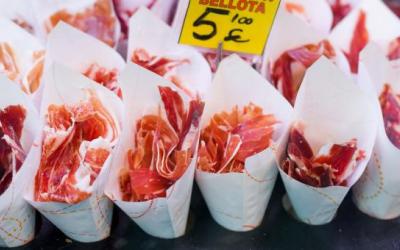 Grease and barrier paper KH PACK®
 GableTop aseptic packaging
 Carton
 Laminating paper KH PACK®
 Korreks for confectionery
 Korreks for desserts
- Plastic packaging for cakes and pastries
- Cover
- Ice cream chopsticks
- Skiving and Hemming Technology
- Paper sacks
- Cartons for milk and dairy products
- KH PACK® bag making paper
- KH PACK® tartlet paper
- Paper for micro-ribbed
Additional Products
 Ice cream sticks Magnum (curly)
 Wafer cup and cone
 Ice cream sticks Standard 93
 Ice cream sticks (with logo)
 Pepsin whey pork
 General purpose environment of SPC "Biocompass-S" (Uglich)
- Ice cream sticks Standard 114
- Ice cream sticks (round)
- Auxiliaries for sugar products
- Petri dish 90 mm
- J-Bottom technology
Consumables
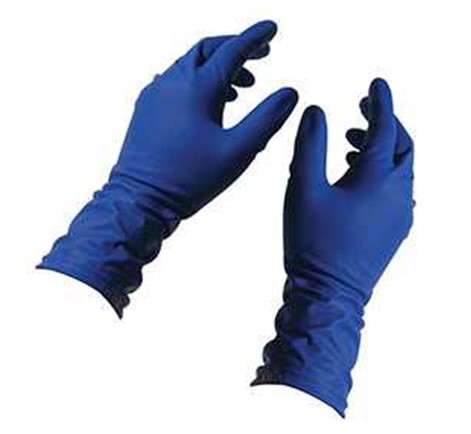 Latex gloves (long cuff with roller), (color blue, pack of 50 pieces)
 Hoof bath
 Bag filter 32
 Forged pitchforks
 Drencher for feeding calves with a rigid probe
 Gas tailing cutter
- Napkin reusable for wiping the udder
- Fall with a loop for cattle
- Plastic syringe 150ml
- Dosing syringe, hose attachment
- Udder cleaner after milking (20 l)
- Alkaline detergent (20l / 24kg)
- Stainless steel obstetric aid
- Veterinary Needles Reusable
- Electric Cattle Driver
Microbiology
 Substrate for accelerated determination of QMAFAnM, (catalog number LR1321)
 MicroFast® Environmental Listeria Count Plate
 MicroFast® Enterobacteriaceae Count Plate (cat. no. LR1011)
 Yeast & Mold Count Plate (cat. no. LR1003) MicroFast® Yeast & Mold Count Plate
 MicroFast® Microbiological Substrates
 MicroFast® Lactic Acid Bacteria Count Plate (Part Number LR1312)
- MicroFast® Coliform & E.coli Count Plate
- Substrate for determining the number of staphylococci (Catalog number LR1005) MicroFast® Staphyloccocus aureus Count Plate
- Coliform Count Plate (catalog number LR1002) MicroFast® Coliform Count Plate
- MicroFast® Salmonella Count Plate (SAL), for the determination of Salmonella in food and environmental samples (Catalog #LR1006)
- Substrate for determining QMAFAnM (catalog number LR1001)
- MicroFast® Bacillus cereus Count Plate (catalog number LR1010)
- MicroFast® Staphyloccocus aureus Confirmation Plate Staph.aureus Confirmation Plate (cat. no. LR1005Q)
Our News
 Lukashenko heard a report on the Mogilev region. The main topic was the situation in agriculture. 05.02.2026
 What major agricultural projects are being implemented in the Mogilev region?05.02.2026
 An expert identified possible areas of cooperation between Belarus and Southeast Asian countries.05.02.2026
- Surcharges on prices for agricultural products purchased from the population have been established in 2026.04.02.2026
- Lukashenko: We won't carry the Vitebsk region on our shoulders.04.02.2026
- Baby Zabava. The Grodno Zoo welcomed its first addition in 2026. 03.02.2026
- Lukashenko: We won't carry the Vitebsk region on our shoulders. 03.02.2026
- Lukashenko on the case: it is a moral monstrosity if we cannot protect our smaller brothers in this weather03.02.2026
- Grain cultivation and livestock farming. Bogdanov discussed prospects for cooperation in the agricultural sector between Belarus and Kazakhstan.01.02.2026
- Выпойка молоком 3-4 раза, больше теплой воды. Как в Брестской области наладили уход за телятами в морозы01.02.2026
- From Tractor Driver to Businessman: The Story of a Belarusian Who Built a Farm from Scratch and a Church in a Village 30.01.2026
- A warehouse in the Minsk region improperly stored powdered milk: a court ordered compensation of Br2 million.30.01.2026
- Increased processing volumes, new jobs: production capacity is being expanded in the Shklov district.30.01.2026
- The story of a Belarusian who built a sturdy farm from scratch and revived his native village.29.01.2026
- Белорусские производители планируют выйти на катарский рынок мясной продукции29.01.2026
- Belarus is interested in expanding dairy product supplies to Indonesia.28.01.2026
Articles
 The court refused to seize the property of agricultural enterprises with debts to the AIC fund.05.02.2026
 Demand for semi-finished products will decline in 2025: dumpling sales will fall by 8%.05.02.2026
 Rosselkhoznadzor inspected more than 2,000 tons of livestock products shipped to Yakutia.05.02.2026
- Rosselkhoznadzor monitored the export of more than 57,000 tons of veterinary goods from St. Petersburg.05.02.2026
- К госветнадзору Бурятии поступило 860 тонн продукции при отправке в Монголию05.02.2026
- The inflation rate in Russia at the beginning of February 2026 reached 6.5%.05.02.2026
- Innovations in broiler feeding: savings and bird health05.02.2026
- New financial disputes between Aventa and Tokarevskaya Poultry Farm: a second lawsuit for 70 million rubles05.02.2026
- Mexican and Canadian beef is losing ground in the US market.05.02.2026
- Spain strengthens institutional coordination to improve animal welfare management05.02.2026
- Blaming cows was a mistake: meadows absorb more gases than cattle emit.05.02.2026
- EU and Mercosur: Experts warn of shortage of EU veterinarians to control imports and associated health risks05.02.2026
- Rosselkhoznadzor stopped the import of more than 50 kg of dangerous animal products at Ufa Airport.04.02.2026
- Специалисты Россельхознадзора выявили нарушения в качестве мясной продукции04.02.2026
- The first batch of canned meat from the Kurgan region was sent to Azerbaijan under the supervision of Rosselkhoznadzor.04.02.2026
- A poultry farm in Yugra was fined for violating veterinary regulations.04.02.2026
Economics
 10 reasons to take a deposit04.05.2025
 Lavrov and the Swiss Foreign Minister will discuss the "deep crisis" of the OSCE.05.02.2026
 Kirilenko spoke about the problems facing Russian teams after sanctions were lifted.05.02.2026
- Lavrov believes that US statements about cooperation are inconsistent with sanctions05.02.2026
- The Russian ambassador warned of a reaction to the Faroe Islands' change in stance on sanctions.05.02.2026
- Five suspects in supplying weapons to Russia's defense industry have been arrested in Germany.03.02.2026
- Bloomberg узнал о планах ЕС по санкциям против российских платины и меди03.02.2026
- The EU confirmed discussions on banning entry for participants in the military operation.31.01.2026
- Bloomberg has revealed a new possible EU sanctions plan against Russia.31.01.2026
- The EU has blacklisted Russia for money laundering.30.01.2026
- The EU has imposed new sanctions on Iran in response to the suppression of protests.30.01.2026
- The European Union has designated the IRGC a terrorist organization.30.01.2026
- The US has eased sanctions and allowed oil companies to operate in Venezuela.30.01.2026
- Titov allowed for the return of foreign companies that "miss Moscow"30.01.2026
- Following the deal with Carlyle, LUKOIL continued negotiations with other companies.29.01.2026
- Macron announced that France is preparing new sanctions against Russia.29.01.2026
Antibiotics in Milk
 Antibiotics in milk: causes and methods of detection27.01.2026
 Pharmaceutical companies see a threat to EU security due to bacteria in Ukraine13.11.2025
 Prosecutors have issued warnings to more than 5,000 companies due to rising prices.09.09.2025
- Two dairy companies from Azerbaijan refused to work with Russia.09.07.2025
- Lukashenko told how Putin treated him to goat's milk.08.07.2025
- Lukashenko demanded that Belarus be cleared of littered logs by autumn.08.07.2025
- Лукашенко заявил, что Белоруссии выгодно не «одуревши воевать», а кормить17.06.2025
- В Британии предупредили о риске для миллионов из-за супербактерий06.01.2025
- Moscow court sides with Indian company in dispute with Health Ministry26.11.2024
- Scientists estimate increase in mortality due to drug-resistant bacteria29.10.2024
- Antibiotics for livestock and pesticides found in poisoned family's home29.10.2024
- Izvestia reported on the shortage of widely used antibiotics in Russia29.10.2024
- The Ministry of Health called data on the shortage of antibiotics unreliable29.10.2024
- Scientists warn of threat of return to pre-penicillin times29.10.2024
- The Ministry of Health explained how attitudes towards antibiotics changed during the pandemic07.05.2024
- WHO explains the risks of taking antibiotics "just in case"06.05.2024
Antibiotics in Meat
 Antibiotics in pollock25.02.2024
 Antibiotics in herring: myth or reality?12.02.2024
 Antibiotics in perch10.02.2024
- Antibiotics in sprat: facts and myths10.02.2024
- Antibiotics in tuna: an important health and environmental issue09.02.2024
- Antibiotics in meat30.01.2024
- Antibiotics in chebureks: myth or reality?29.01.2024
- Antibiotics in cutlets: problem or myth?18.01.2024
- Antibiotics in Chicken: Where Are the Highest Concentrations?17.01.2024
- Antibiotics in carp17.01.2024
- Where Are More Antibiotics in Chicken: Reality and Cautions16.01.2024
- Antibiotics in Salmon: Safety and Product Quality16.01.2024
- Antibiotics in Turkey15.01.2024
- Antibiotics in Sal: Reality and Safety Issues15.01.2024
- Antibiotics in Fried Dumplings: Facts, Risks and How to Stay Safe15.01.2024
- Antibiotics in sausages14.01.2024
10 Interesting Facts
 Antibiotics in Coffee: Myths and Reality03.05.2025
 Forged forks: 10 interesting facts16.05.2024
 Swimming pool and weight loss: 10 interesting facts10.03.2024
- Tests for antibiotics in milk - 10 interesting facts07.03.2024
- Cleaning the kettle from scale, 10 interesting facts...06.03.2024
- Antibiotics in beer: 10 interesting facts04.03.2024
- Wild boar, how to survive...01.03.2024
- Purulent mastitis, 10 interesting facts27.02.2024
- Lemon and alcohol: 10 interesting facts25.02.2024
- Mint - 10 interesting facts25.02.2024
- Wild boar, 10 interesting facts20.02.2024
- Wild boar and domestic pig: comparison and advantages20.02.2024
- Cottage cheese, 10 interesting facts20.02.2024
- 10 Interesting Facts About Milk19.02.2024
- How to Clean a Toilet - 10 Interesting Facts (Acid vs Alkaline)18.02.2024
- Goat's milk: 10 interesting facts16.02.2024
Diseases of cattle
 Dicroceliosis in cattle09.03.2024
 Demodicosis in cattle01.03.2024
 Purulent mastitis of cattle27.02.2024
- Hypodermatosis in cattle20.02.2024
- Hemonchoz in cattle11.02.2024
- Bursitis in cattle30.01.2024
- Brucellosis in cattle29.01.2024
- Bronchopneumonia in calves27.01.2024
- Bronchitis in cattle26.01.2024
- Mortellaro disease in cattle24.01.2024
- White muscle disease in cattle23.01.2024
- Babesiosis in cattle22.01.2024
- Cattle acidosis20.01.2024
- Arthritis in cattle20.01.2024
- Anaplasmosis in cattle18.01.2024
Misc
- Antibiotics for coughs: when they are needed and when they are not11.02.2024
 "Слетают все маски человека!" // Банщик про техники парения, поющих мастерах и чудо-массажах05.02.2026
 The Master of Steam: The Story of a Businessman Who Left a Successful Printing Business to Become a Spa Master 05.02.2026
- Где в Брестской области чаще всего происходят ДТП, назвали следователи05.02.2026
- Ministry of Emergency Situations: 129 people have died in fires since the beginning of the year.04.02.2026
- WHO: Almost 40% of cancer cases can be prevented 04.02.2026
- The number of fires in Belarus has increased. Experts have explained the causes.04.02.2026
- "Neither tail nor scales." We went winter fishing and learned the intricacies of ice fishing.04.02.2026
- Беларусь продлила запрет на маркировку импортируемых алкогольных напитков на территории недружественных стран03.02.2026
- В Гомеле благодаря неравнодушным гражданам остановили нетрезвых таксиста и бесправника 03.02.2026
- From February 11, navigation seals will be used to track rail traffic in the EAEU.03.02.2026
- The State Traffic Inspectorate reminded drivers of road safety rules during severe frosts.31.01.2026
- A woman driving under the influence of alcohol with over 2 ppm was detained in Minsk.30.01.2026
- Наведение порядка в АПК, пожарная безопасность. Какие задачи поставлены перед прокурорами Витебской области 30.01.2026
- A car crashed into a tree on Independence Avenue in Minsk, injuring two people.30.01.2026
- Топ экспортируемых товаров назвали в "Белгоспищепроме"29.01.2026
Cloud of Tags
Дмитрий песковВладимир ПутинГовядинуИнфляцияВакцинацииFacebookКоронавирусБразилияКолбасыСанкцииАЧСГерманияИмпортФермерВьетнамПраздникМясоКредитТАССЕгипетЛечениеБеларусьКофеМясо птицыОтпускАлкогольного опьяненияБизнесСпутник vЕССубсидииТурцияЗависимостьВ китаеМаслоОрганизмПитаниеГазпромRussiaНефтьУченыеДолларОнлайнДжо БайденМинфинПодмосковьеАзербайджанРоссельхознадзорАвстралияДетиминистр сельского хозяйстваОбщепитБолезньКарантинРоспотребнадзорЗаконЦентробанкЛекарстваМЧСДоходыСудГовядинаСанкт-ПетербургКРСПольшаСШАУборкаУкраинаСвинина2024ИнвестицииКитайЕврокомиссияВеликобританииМолокоТатарстанИсследованияЗеленскийВостокМинскФранцияЯпонияСельское хозяйствоКризисЗапретТребованияВакцинацияРаботаИммунитетВирусReutersCOVID-19AppleЗаконопроектМужчиныРоссияДеньгиЭкономикаРоссиянеПтицефабрикаПродукты питанияВеликобританияРосстатСырыTelegramАлександр ЛукашенкоАлкогольПравительствоКазахстанПензенской областиЖивотноеФруктыРубльBloombergПродукцияЗдоровьеДональд ТрампПрокуратураПесковМясокомбинатПроизводство мясаРодителиСмертьЕАЭСДиректорЯйцаКлиматМинсельхозМоскваУрожаяПроизводство молокаGoogleПоддержкаУкраинеСотрудники ГАИБройлерНовостиЦеныКанадаКрупного рогатого скотаУзбекистанПродовольствиеКартофельЭкспортВыручкаАнтибиотиковИталияМинздравНедвижимостьВластиКрупный рогатый скот