
Lawyers warn of a double threat to Russian banks due to US requests
Photo is illustrative in nature. From open sources.


Russian banks due to US lawabout the transfer of information about accounts may face punishment from both the Russian and the American side, the lawyers say in the conclusion. The range of risks is wide - from blocking accounts to outflow of customers
Russian banks may face the threat of account blocking, loss of liquidity, bankruptcy, revocation of licenses and violations of banking and state secrets due to new US legislation aimed at combating money laundering and terrorist financing. Such risks are listed in the conclusion of the employees of the Faculty of Law of Moscow State University Elizaveta Lauts and Sergey Glandin, prepared by order of the Association of Banks of Russia (available from RBC).
What is the law
In the United States, the 2021 National Defense Appropriations Act went into effect in January 2021. As part of it, amendments were adopted to the law “On Combating Money Laundering and the Financing of Terrorism”, which give the US authorities the right to request information from foreign banks that have correspondent accounts with American credit institutions. Such data includes information about accounts if they are the subject of a criminal investigation in the United States, the subject of anti-money laundering proceedings in the United States, and also if the account is subject to forfeiture of funds in favor of the United States.
As stated in the opinion, if a Russian bank does not comply with the requirements of US law, then the US Treasury Secretary or the Attorney General can fine it $50,000 for each day of non-compliance with the request. The US bank will then be required to terminate any correspondent relationship with the Russian bank no later than ten business days after the date on which the financial institution receives written notice that the Russian bank has failed to comply with the order.
What risks did lawyers see
Receiving a request from US government agencies and further work with them may entail various risks for Russian banks - from legal and reputational to the risk of loss of liquidity. The latter, according to the authors of the opinion, may occur as a result of the “blocking” of correspondent accounts in American banks or the outflow of foreign trade clients. In turn, the "blocking" of correspondent accounts in the US makes it impossible for banks to make any cross-border payments in US dollars (both in the interests of customers and for the bank's own operations). This carries the risk of non-fulfillment of monetary obligations to customers and the emergence of bank liability for this. Technically, Russian legislation in these cases even provides for the possibility of reorganization, bankruptcy or license revocation, the conclusion says. However, according to lawyers, this risk is not high for large banks, as well as banks, in the structure of operations of which the volume of payments in US dollars is not significant. The US demands run counter to Russian banking, trade and government secrecy laws, which do not include the US Treasury Secretary or the US Attorney General as eligible to receive it. Due to the violation of banking secrecy, there is a high probability of taking measures by the Central Bank, including a fine of up to 0.1% of the minimum authorized capital. “The greatest risk associated with the disclosure of state secrets affects information related to the state defense order,” the authors of the opinion note. This issue provides for criminal punishment with imprisonment. The US law also runs counter to Russian legislation on personal data. Violation of it entails fines, and “there is a potential risk of criminal prosecution of bank employees for disclosing personal data of customers at the request of US authorities.”Banks will be required to report to financial intelligence about requests from "unfriendly countries"
"Great threat" or isolated cases
The Association of Banks of Russia fully shares the identified risks and sees them as a "huge threat," Anatoly Kozlachkov, vice president of the association, told RBC. According to him, a representative of the Foreign Ministry was present at the discussion of these risks at the association site, who stressed that this threat could be realized at any moment, since relations between Russia and the United States are still very unstable.
Sergey Glandin, the author of the opinion and special adviser on sanctions law at the Pen&Paper Bar Association, noted that the American law is more likely directed at China , and not at Russia. The US is concerned about financing the DPRK through Chinese banks in circumvention of US sanctions, which is why such a law was passed, he explained. According to Glandin, theoretically, these demands can also be sent to Russia: “But even with regard to Chinese banks, as court practice shows, requests from the United States were sent no more than four times a year, three of which remained unanswered. In relation to Russia, this figure may be even less.”
Now the main problem is that if a Russian bank responds to the US request, it will also violate Russian law, for which it is subject to punishment up to criminal liability. Otherwise, US requirements will be violated, which also entails fines or disconnections from the American credit institution, Glandin is concerned.
How they solve the problem
The government has already submitted a draft law to the State Duma prohibiting Russian banks from providing data on clients and their transactions to foreign countries. It is precisely designed to minimize the risks "associated with the adoption by hostile states of changes to national legislative acts aimed at obtaining from foreign banks, under the threat of penalties, confidential information constituting banking secrecy." In addition, the authorities want banks to report such requests to Rosfinmonitoring.
The government decided to ban the sharing of banking secrecy with foreigners Politics
Today, there is no unequivocal solution to stop the risks of the American law, says Kozlachkov: “The banks recognized the proposed decision of the government as ineffective in reducing these risks.”
The only way out of the situation is for the Russian authorities to adopt a mirror law regarding American banks, Glandin believes: in this case, the US authorities themselves will offer to cancel these requirements from both sides, sign an international agreement and continue cooperation. ASROS will continue to discuss possible ways out of the situation together with the banking community and regulators, Kozlachkov assured.
RBC sent a request to the Central Bank, the Ministry of Finance, the Ministry of Foreign Affairs and the largest banks. A representative of Rosbank, which is part of the French group Societe Generale, said that the risks could not be stopped without support from the state. He added that there may be “risks of including Russian banks that refused to provide information to US government agencies in negative lists, which, in turn, will cut off the bank not only from payments in US dollars, but also significantly complicate or make it impossible to cooperate with European banks. ".
“In general, banks will find themselves between two fires. On the one hand, the risks of sanctions from the United States, on the other hand, the risk of violating the provisions of Russian legislation, ”summarizes Rosbank.
Read together with it:
- Spain strengthens institutional coordination to improve animal welfare managementOn Tuesday, the Council of Ministers, at the initiative of the Ministry of Agriculture, Fisheries and Food, approved the adoption of a royal decree that strengthens existing instruments to move towards "more effective" coordination between the various administrations involved in the application of rules to ensure the welfare of animals intended for agricultural purposes and aquaculture, and optimi...
- Kirilenko spoke about the problems facing Russian teams after sanctions were lifted.The head of the Russian Basketball Federation (RBF) stated that FIBA could make a final decision on the return of Russian basketball in April, but visa barriers remain the main problem. Andrei KirilenkoIn an interview with RBC Sport, Russian Basketball Federation (RBF) President Andrei Kirilenko discussed the possible return of Russian basketball to the international arena. He also cited visa an...
- Lavrov believes that US statements about cooperation are inconsistent with sanctionsSergey Lavrov US statements about the possibility of investment cooperation with Russia "do not fit" with Washington's sanctions policy, Russian Foreign Minister Sergey Lavrov said in an interview with RT. US President Donald Trump is in no rush to lift sanctions against Moscow, but is instead escalating them, Lavrov stated earlier during a government hour in the Federation Council. He recalled ho...
- The Russian ambassador warned of a reaction to the Faroe Islands' change in stance on sanctions.Vladimir BarbinThe Faroe Islands' change in stance on sanctions against Russia will not go unnoticed by Moscow, Russian Ambassador to Denmark Vladimir Barbin said in an interview with RIA Novosti. The statement was prompted by the Faroe Islands Parliament's decision to support sanctions against Russian fishing companies Norebo and Murman Seafood, as well as the Faroe Islands government's announcem...
- Lukashenko heard a report on the Mogilev region. The main topic was the situation in agriculture.February 4, Minsk . On February 4, Belarusian President Alexander Lukashenko heard a report from Anatoly Isachenko, Chairman of the Mogilev Regional Executive Committee, BelTA reports. The report focused on the state of affairs in the region, following up on Tuesday's report in the Vitebsk Region. As the head of state noted the day before, many of the identified problematic issues are, to varying ...
- What major agricultural projects are being implemented in the Mogilev region?February 4, Mogilev. Fertilizer storage facilities are being restored, and mechanical engineering teams are expanding their operations. Chairman of the Mogilev Regional Executive Committee, Anatoly Isachenko, briefed journalists on the state of the region's agro-industrial complex, BelTA reports. Anatoly Isachenko noted that during his report to the head of state, the construction of a feed mill a...
- In 2025, a record 3.3 thousand tons of venison were harvested in Yamal.This is the highest figure in recent years. The Yamal District remains the leader, with nearly 1,200 tons. The Tazovsky District significantly increased its output, harvesting 1,100 tons. This was made possible by the launch of a new slaughterhouse. Nearly 1,200 private reindeer herders participated in the 2......
- In the Novosibirsk region, a cow infected with rabies attacked a veterinarian.The Iskitim Central District Hospital reported this. A rabies epidemic has affected several regions, including the Krasnoyarsk Krai and Omsk Oblast. Rabid foxes typically attack people, but attacks by wolves and wild cats have also been recorded. Authorities have implemented quarantine measures. Nine people, including five children, who drank milk from the infected cow have been vaccinated. The cl...
- Ministry of Emergency Situations: 129 people have died in fires since the beginning of the year.February 4, Minsk . 129 people have died in fires in Belarus since the beginning of the year, Emergency Situations Minister Vadim Sinyavsky told reporters in response to a question from a BELTA correspondent. The head of state inquired about the state of fire safety and how the Ministry of Emergency Situations is addressing these issues. According to the minister, the Ministry receives and process...
Test for Atnibiotics in Milk
 Rapid tests for determining the residual amount of tetracyclines in meat
 ANTIBIOTICS / ELISA TESTS
 Rapid tests PIONER 5 in 1 for the determination of sulfonamides, tylosin, tilmicosin, lincomycin, erythromycin, fluoroquinolones
 PIONEER MEIZHENG BIO-TECH (5 in 1) JC0726 / Rapid tests for determining the residual amount of Bacitracin, ansamycins, clindamycin, spiramycin, florfenicol in milk, whey
Laboratory equipment
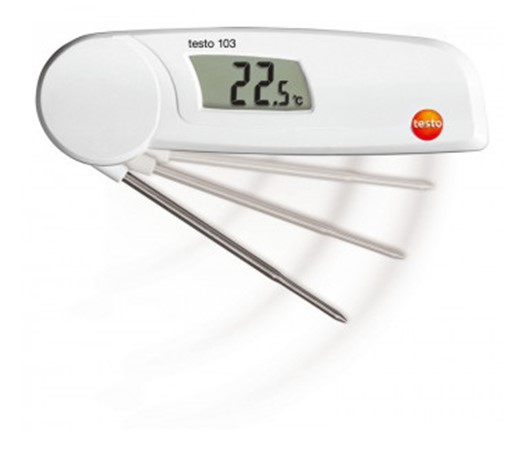 Testo 103 folding thermometer
 Milk quality analyzer "Laktan 1-4M" 500 isp. MINI
 Magnetic stirrer С-MAG HS7
 Laboratory table on supporting pedestal BA-CL-X.X SLv-t TR -a
 Homogenizer (laboratory blender) BagMixer
 Light colored glass bottle without a faucet
- Indicator strips for the determination of neutralizing substances (soda and ammonia) in milk, 100 pcs.
- Tagler TSLM 1-8 milk centrifuge (without heating) (Russia)
- Thermometer TS-7AMK for refrigerators and freezers (-35...+50 °C)
- HI 98509 Checktemp 1 Portable Electronic Thermometer with Remote Sensor
- Universal homogenizer Ultra-Turrax Tube Drive P control, IKA
- Reagent cabinet
- Blade Homogenizer MicroBio BA400
- Bürkle Qualirod tapered sampler 120 and 170 mm immersion depth
- Overhead stirrer WB2000-M
Packing



Additional Products
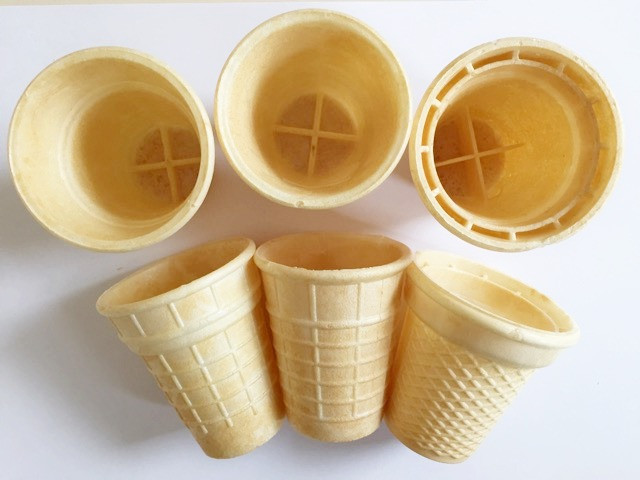 Wafer cup and cone
 Ice cream sticks Standard 93
 Ice cream sticks (round)
 Petri dish 90 mm
 J-Bottom technology
 Ice cream sticks Standard 114
- Ice cream sticks (with logo)
- Pepsin whey pork
- General purpose environment of SPC "Biocompass-S" (Uglich)
- Ice cream sticks Magnum (curly)
- Auxiliaries for sugar products

Microbiology
 MicroFast® Salmonella Count Plate (SAL), for the determination of Salmonella in food and environmental samples (Catalog #LR1006)
 Substrate for determining the number of staphylococci (Catalog number LR1005) MicroFast® Staphyloccocus aureus Count Plate
 Yeast & Mold Count Plate (cat. no. LR1003) MicroFast® Yeast & Mold Count Plate
 MicroFast® Microbiological Substrates
 Substrate for accelerated determination of QMAFAnM, (catalog number LR1321)
 MicroFast® Environmental Listeria Count Plate
- Coliform Count Plate (catalog number LR1002) MicroFast® Coliform Count Plate
- MicroFast® Coliform & E.coli Count Plate
- MicroFast® Enterobacteriaceae Count Plate (cat. no. LR1011)
- MicroFast® Staphyloccocus aureus Confirmation Plate Staph.aureus Confirmation Plate (cat. no. LR1005Q)
- MicroFast® Lactic Acid Bacteria Count Plate (Part Number LR1312)
- MicroFast® Bacillus cereus Count Plate (catalog number LR1010)
- Substrate for determining QMAFAnM (catalog number LR1001)
Our News
 Лечение рака в пробирке, недорогие аккумуляторы. Над какими проектами работают белорусские ученые12.12.2025
 "Perfect for pancakes, tiramisu, and cakes." What culinary masterpieces can you make with Chef Works cheeses, even at home?12.12.2025
 Минсельхозпрод скорректировал предельные минимальные цены на ряд экспортируемых товаров12.12.2025
- Pretzels that surprised Lukashenko: How a Minsk plant preserves the taste of the era11.12.2025
- Белорусская текстильная продукция впервые продана в Узбекистан на биржевых торгах11.12.2025
- Белорусские ученые работают над новыми подходами к лечению онкозаболеваний11.12.2025
- Биржевой товарооборот между Китаем и Брестской областью за год вырос более чем втрое 10.12.2025
- The Ministry of Housing and Communal Services proposed discussing the issues of waste management for goods and packaging10.12.2025
- В Румынии цены на яйца выросли почти на 60% за две недели10.12.2025
- БУТБ и Центр поддержки экспорта Башкортостана подписали соглашение о сотрудничестве07.12.2025
- Oman plans to invest in expanding dairy production in Belarus.05.12.2025
- Here, everything is focused on results: how does the Rodina Collective Farm maintain its reputation as a unique enterprise for Belarus?05.12.2025
- How to observe Lent without harming your health? We asked clergy and doctors.05.12.2025
- Over 2 million tons of milk and a billion eggs were produced in the Minsk region in 11 months.05.12.2025
- Лукашенко: Беларусь и Алжир в ближайшие год-два должны выйти на товарооборот хотя бы $500 млн04.12.2025
- Belarus is expanding opportunities to sell its goods to Mongolia and the UAE.04.12.2025
Articles
 Аргентинскую говядину ждет решающий год после заключения соглашения между Европейским союзом и Меркосур28.01.2026
 Argentina: Rising meat prices doubled inflation in 2025 and will drive the consumer price index higher again this year28.01.2026
 The CEO denied rumors about the sale of the Soviet meat processing plant.28.01.2026
- Россельхознадзор вернул на границе с Белоруссией 200 кг сыра и мясной продукции28.01.2026
- Аграрии Забайкалья продают излишки кормов для скота после успешной заготовки28.01.2026
- Fire at Reftinskaya Poultry Farm: Major Damage, No Casualties27.01.2026
- The N.I. Tkachev Agricultural Complex was named one of Russia's top employers by HeadHunter.27.01.2026
- Научные успехи в борьбе с вирусом гриппа птиц H5N1: российские учёные разработали новую вакцину27.01.2026
- A new investment project in the Askinsky District of Bashkortostan: the construction of a modern poultry farm27.01.2026
- Quarantine in the Tula region: Measures taken against brucellosis in cattle27.01.2026
- Mandatory livestock registration in Russia: New initiatives to support livestock farming27.01.2026
- Увеличение импорта мяса из Индии в Россию: новые перспективы сотрудничества27.01.2026
- A shipment of shawarma meat without the necessary documentation was detained in Mari El.27.01.2026
- US Broiler Market Outlook Week 4, January 26, 202627.01.2026
- US Hog Market Review for Week 4, January 26, 202627.01.2026
- US Cattle Market Review for Week 4, January 26, 202627.01.2026
Economics
 The EU will discuss simplifying the mechanism for freezing Russian assets.12.12.2025
 British banks have spoken out against the use of Russian assets.12.12.2025
 Reuters назвал фаворита на покупку зарубежных активов ЛУКОЙЛа12.12.2025
- Politico has learned of the EU's plan to simplify the mechanism for freezing Russian assets.11.12.2025
- Lavrov announced Trump's increase in sanctions against Russia.11.12.2025
- Суд ЕС отклонил иск Пумпянского о компенсации в размере €7,5 млн11.12.2025
- Bloomberg learned that Russia sent LNG to China despite sanctions.10.12.2025
- США поддержали Ирак в передаче актива ЛУКОЙЛа американской компании10.12.2025
- Sanctioned Russian investors have filed €53 billion lawsuits against the EU.10.12.2025
- Britain imposed sanctions against Dugin and the Rybar Telegram channel.10.12.2025
- Zakharova described Britain's sanctions against Dugin as "outdone herself."10.12.2025
- Reuters reported on the threat of a demographic catastrophe in Ukraine.05.12.2025
- In Britain, Sturges was recognized as an accidental victim of the assassination attempt on the Skripals.05.12.2025
- Reuters узнал о заявке венгерской компании на активы ЛУКОЙЛа05.12.2025
- МИД Британии вызвал посла России после доклада о смерти Стерджес05.12.2025
- МИД предупредил об ответе Лондону на санкции против ГРУ05.12.2025
Antibiotics in Milk
 Is it worth drinking antibiotics at the first sign of illness and what is the risk of it: an interview with a pharmacologist01.08.2020
 In Smolensk region the Rosselkhoznadzor Directorate returned to Belarusian consignors more than 33 tons of animal products transported with violations of veterinary requirements.04.02.2020
- Struggle for product quality and safety: experience of Belarusian colleagues19.11.2019
- Tiamphenicol07.08.2019
- Antibiotics in milk07.08.2019
- "While I'm talking to you nicely." The President threatened the government with prison for the death of a cattle25.07.2019
- Antibiotics in milk: Rumors and reality23.07.2019
- Antibiotics: harm or benefit17.07.2019
- Antibiotics in milk16.07.2019
Antibiotics in Meat
 Antibiotics in Meat: Prevention, Regulation and Consumer Health Concerns12.01.2024
 Antibiotics in Fried or Boiled Meat: Facts and Misconceptions12.01.2024
 Antibiotics in Sausage: Reality, Risks and Need for Control12.01.2024
- Antibiotics in Pelmeni: Real Threat or Myth?09.01.2024
- Antibiotics in Pork: Health Effects and Cooking Recommendations08.01.2024
- Antibiotics in Chicken: Safety, Regulation and Consumer Health Concerns08.01.2024
- Antibiotics in meat: problems and solutions06.01.2024
- Antibiotics in Beef: Between Animal Health and Consumer Safety06.01.2024
- Antibiotics in Chicken Meat: Safety, Regulation and Concern for Consumer Health06.01.2024
- Antibiotics in Rabbit Meat: Safety, Efficiency and Care for Consumers05.01.2024
- Antibiotics in Pork: Balance Between Health Concerns and Consumer Safety03.01.2024
- Antibiotics in Lamb03.01.2024
- Antibiotics in Meat: Real Risks and Transparency in Food Production29.12.2023
10 Interesting Facts
 Marbled meat: 10 interesting facts19.01.2024
 10 Fascinating Facts About Cattle Hoof Baths18.01.2024
 Antibiotics - 10 interesting facts18.01.2024
- Cutlets - 10 interesting facts18.01.2024
- 10 Interesting Facts about Carp17.01.2024
- Salmon - 10 Interesting Facts17.01.2024
- Beer belly 10 interesting facts17.01.2024
- Beer - 10 interesting facts17.01.2024
- Antibiotic tests pioneer - 10 interesting facts17.01.2024
- Rubber rings for castration - 10 interesting facts17.01.2024
Diseases of cattle
 Dicroceliosis in cattle09.03.2024
 Demodicosis in cattle01.03.2024
 Purulent mastitis of cattle27.02.2024
- Hypodermatosis in cattle20.02.2024
- Hemonchoz in cattle11.02.2024
- Bursitis in cattle30.01.2024
- Brucellosis in cattle29.01.2024
- Bronchopneumonia in calves27.01.2024
- Bronchitis in cattle26.01.2024
- Mortellaro disease in cattle24.01.2024
- White muscle disease in cattle23.01.2024
- Babesiosis in cattle22.01.2024
- Cattle acidosis20.01.2024
- Arthritis in cattle20.01.2024
- Anaplasmosis in cattle18.01.2024
Misc
 A drunk pedestrian was hit by a car in Dokshitsy and is in the hospital.11.12.2025
 The number of shoplifting incidents in Latvia has increased sharply over the past year.11.12.2025
 In Minsk, a drunk car-sharing driver lost control and damaged two cars.11.12.2025
- "Alcohol is often the cause of such crimes." The court heard cases involving intentional infliction of grievous bodily harm.11.12.2025
- A drunk teenager broke a car's windows, climbed inside, and fell asleep. A criminal case has been opened for hooliganism.10.12.2025
- В Гомельской области за несколько дней было выявлено почти 3 тыс. нарушений ПДД10.12.2025
- They were trying to get people out of binge drinking without training or a license. A criminal group operating in the healthcare sector was shut down in Minsk.10.12.2025
- Что поможет быстро среагировать на пожар? Спасатели провели профилактический рейд в Минском районе07.12.2025
- In France, strikes have paralyzed the work of 26 alcoholic beverage producers.07.12.2025
- Sarkozy said he ate muesli, juice, and sweets in prison.07.12.2025
- In Grodno and the Grodno region, foreign citizens committed more than 70 serious traffic violations. 07.12.2025
- Житель Брестского района сжег паспорт жены, пытаясь предотвратить развод05.12.2025
- Сейм Латвии принял дефицитный бюджет с расходами на оборону в 4,9% от ВВП05.12.2025
- Скидки и акции. Что предлагает Белкоопсоюз в преддверии новогодних праздников 05.12.2025
- He threw a phone in someone's face and demanded money for alcohol. A Vitebsk resident was charged with beating his elderly mother.05.12.2025
- Каталась на чужом авто: в Червенском районе задержали угонщицу05.12.2025
Cloud of Tags
ОтпускВ китаеБразилияИнвестицииЗаконопроектСырыГерманияПродукты питанияЭкспортМолокоВирусЗеленскийМинсельхозДетиЕгипетБройлерСпутник vЦеныДональд ТрампВеликобританияИталияРаботаTelegramВладимир ПутинПитаниеБизнесИсследованияУрожаяСотрудники ГАИБолезньПесковМаслоКазахстанРоспотребнадзорПоддержкаОнлайнЯпонияминистр сельского хозяйстваПольшаМЧСАзербайджанПроизводство мясаReutersЕАЭССельское хозяйствоДолларЗависимостьГовядинаВакцинацииЖивотноеКитайОрганизмДиректорИмпортКрупный рогатый скотКофеАлкогольного опьяненияПрокуратураКанадаНовостиВьетнамCOVID-19ЗдоровьеЕСМоскваТурцияВакцинацияСанкцииAppleКолбасыМинфинТАССМясоFacebookБеларусьКРССанкт-ПетербургИммунитетАлкогольRussiaЗаконНефтьДеньгиРодителиДмитрий песковУборкаМясокомбинатНедвижимостьЯйцаФермерКартофельУкраинеПтицефабрикаЛечениеСвининаУкраинаМинздравИнфляцияКредитКризис2024РоссельхознадзорПодмосковьеАЧСЦентробанкСубсидииДжо БайденЕврокомиссияТатарстанУзбекистанВостокОбщепитРосстатМинскПродукцияПравительствоСудУченыеМясо птицыКлиматРоссиянеДоходыАнтибиотиковGoogleПродовольствиеВеликобританииВластиВыручкаЭкономикаЗапретКоронавирусФруктыКрупного рогатого скотаАвстралияКарантинГазпромBloombergСШАФранцияМужчиныПензенской областиРубльСмертьПраздникПроизводство молокаТребованияЛекарстваГовядинуАлександр ЛукашенкоРоссия