
The Bank of Russia assessed the results of devaluation after the crisis year

Photo is illustrative in nature. From open sources.


In 2022, Russian banks significantly reduced lendingin dollars and euros, and also "cleared" the portfolio of foreign currency deposits. But a complete rejection of the dollar and the euro is impossible, and the transition to the yuan creates new risks,
During the crisis year of 2022, the share of the dollar in the corporate loan portfolio of Russian banks decreased from 9% to 6%, the Bank of Russia reported (.pdf). The share of loans in euros fell by half over the same period, to 3%.
For the first time, the regulator disclosed the change in the currency structure of loans to companies after the crisis began, but provided data only for residents. According to the statistics of the Central Bank, as of January 1, 2023, the total corporate loan portfolio of banks amounted to 58.68 trillion rubles. Data on what share of loans now fall on Russian borrowers, and what share - on foreigners, is not yet available. As of January 1, 2022, loans to non-resident legal entities accounted for 12.5% of the corporate portfolio of banks, or 5.66 trillion rubles, all of which were in foreign currency.
As the Central Bank notes, after the crisis began, the volume of foreign currency loans to Russian companies has significantly decreased, while the share of the yuan has sharply increased. In the last months of last year, more than half of new foreign currency loans were issued in yuan, but on average in 2022, more than 80% of corporate loans were issued in rubles. According to the regulator's statistics, last year Russian banks approved foreign currency loans for 7.65 trillion rubles to resident companies. against 8.57 trillion rubles. in 2021
“Clients prefer ruble lending, which replaces borrowings in foreign markets and foreign currency loans previously issued by Russian banks in US dollars and euros, while the share of the yuan in debt remains extremely low - about 1%,” the Bank of Russia said. The Central Bank cited other signs of the devaluation of the Russian economy and bank balance sheets at the end of last year, and also pointed to new risks of these processes.
What has changed after a year of crisis and sanctions
In 2022, after tightening sanctions, improving the export environment and shrinking imports, Russia's foreign assets began to grow much faster than liabilities. As a result, Russia's international investment position (the difference between assets and liabilities) exceeded $500 billion - this is the highest level since 2000, follows from the chart in the Central Bank review.
Read PionerProdukt .by Relations with the FATF are on pause, but there will be no easing of anti-money laundering rules Which companies will benefit from the development of the Northern Sea Route “It is not hopeless yet”: when central banks will give a respite to the economy Why exportsof Russian oil products is growing despite the EU embargo Settlements for exports and importsAccording to the regulator, "unprecedented sanctions" led to a rapid and significant change in the structure of foreign trade in favor of friendly countries, and after that, the currency structure of payments for exports and imports. According to the Central Bank, at the end of 2022, the share of the ruble in export settlements exceeded 30%, equaling the share of the dollar and exceeding the share of the euro. Nevertheless, the weight of the dollar for exports and imports was still about 50%. This may indicate that settlement risks and asset blocking risks remain for Russian companies and their counterparties, the Central Bank believes.
“The currency of the payment often differs from the currency of the contract – the increase in the share of the yuan in payments speaks rather of the transfer of settlements under contracts into Chinese currency. At the same time, the currency of the contract itself remains the same. As a result, the currency risk of Russian companies may increase,” the regulator warns. The review provides two channels for realizing such a risk.
First, companies have currency risk against the yuan or other friendly currencies. Often such currencies are non-convertible or limited convertible, which increases their exchange rate volatility. In addition, there are far fewer derivative financial instruments (DFIs) in soft currencies on the market than derivatives in dollars or euros. And banks and companies use derivatives to hedge currency risks. This, according to the Central Bank, complicates Russia's transition to settlements in national currencies: the demand for the corresponding currency in the domestic market may not cover its supply, or vice versa.
Secondly, companies remain exposed to the risk of transactions with dollars, euros and other unfriendly currencies. The conversion of export settlements into non-toxic currencies does not mean a symmetrical change for imports: a number of counterparties require the use of the dollar and the euro to pay for goods imported into Russia.
“Thus, even when transferring settlements to the currencies of friendly countries, it will not be possible to completely avoid the risk of toxic currencies if the contract currency is largely US dollars or euros,” states the Central Bank.
Bank operationsAs noted in the review, banks, following economic agents, have changed the insurance settlement structure. Credit organizations stopped correspondent relations with banks in unfriendly countries and began to open correspondent accounts in friendly ones. The Central Bank indicated that the currency structure of correspondent accounts of Russian players abroad changed over the year, but did not disclose detailed information.
DepositsAccording to the chart in the review, the currencyization of Russians’ savings has not declined too much: if at the beginning of 2022 it was a little more than 24%, then by the end of the year it was 22%. However, this indicator takes into account not only foreign currency deposits of the population in Russian banks, but also foreign cash on hand, balances in banks abroad, investment in debt securities or shares in foreign currency, shares of mutual funds, as well as foreign currency balances on brokerage accounts. At the same time, bank deposits of citizens in foreign currency decreased by 40.7% over the year, falling to $55 billion, follows from the statistics of the Central Bank. A significant part of foreign currency savings was transferred to bank accounts abroad, RBC wrote: over the year, their balances more than doubled, to $ 64.5 billion.
The Central Bank fixes the flow of savings of the population in favor of the yuan, but the share of deposits in this currency is still significantly inferior to the dollar and the euro. The devaluation of the liabilities of the banking system is largely due to the growth of assets of the non-financial sector abroad, currency risks for the population and companies are largely preserved, the regulator states.
“In addition, the population and companies become exposed to risks associated with the stability of non-resident banks, the stability of a wide range of currencies and the actions of foreign regulators, and the ability of the Russian regulator to reduce these risks is very limited,” the review notes.
In early March, three banks in the US stopped working at once, including the large Silicon Valley Bank. Almost immediately, problems arose at the Swiss Credit Suisse. To save the country's second bank, the Swiss authorities announced its accession to the UBS group.
Read together with it:
- Rosselkhoznadzor monitored the export of more than 57,000 tons of veterinary goods from St. Petersburg.These products were shipped to countries including Azerbaijan , Angola, Vietnam , and China . 1,500 doses of veterinary vaccines were also exported to Moldova, and over 12.4 million eggs were shipped to Sierra Leone and the UAE. Officials from Rosselkhoznadzor verified compliance with veterinary and sanitary requirements in 15 importing countries , and the goods were shipped with specialized veter...
- Mexican and Canadian beef is losing ground in the US market.Beef from Mexico and Canada is losing ground in American kitchens and restaurants, despite being imported without tariffs imposed on all exports by US President Donald Trump a year ago. According to Tegra Consultant, Canadian meat sales to the United States have fallen by 23.56% over the past two years, while Mexican food exports to that market have fallen by 11.5......
- EU and Mercosur: Experts warn of shortage of EU veterinarians to control imports and associated health risksThe agreement between the European Union ( EU ) and Mercosur, which is currently stalled, has caused concern in the primary sector of various EU countries, including Spain, where, in addition to livestock breeders and agricultural producers, veterinarians have joined the complaints. It should therefore be remembered that various veterinary institutions, such as the colleges of Asturias, Lugo and C...
- Kirilenko spoke about the problems facing Russian teams after sanctions were lifted.The head of the Russian Basketball Federation (RBF) stated that FIBA could make a final decision on the return of Russian basketball in April, but visa barriers remain the main problem. Andrei KirilenkoIn an interview with RBC Sport, Russian Basketball Federation (RBF) President Andrei Kirilenko discussed the possible return of Russian basketball to the international arena. He also cited visa an...
- Lavrov believes that US statements about cooperation are inconsistent with sanctionsSergey Lavrov US statements about the possibility of investment cooperation with Russia "do not fit" with Washington's sanctions policy, Russian Foreign Minister Sergey Lavrov said in an interview with RT. US President Donald Trump is in no rush to lift sanctions against Moscow, but is instead escalating them, Lavrov stated earlier during a government hour in the Federation Council. He recalled ho...
- The Russian ambassador warned of a reaction to the Faroe Islands' change in stance on sanctions.Vladimir BarbinThe Faroe Islands' change in stance on sanctions against Russia will not go unnoticed by Moscow, Russian Ambassador to Denmark Vladimir Barbin said in an interview with RIA Novosti. The statement was prompted by the Faroe Islands Parliament's decision to support sanctions against Russian fishing companies Norebo and Murman Seafood, as well as the Faroe Islands government's announcem...
Test for Atnibiotics in Milk
 Rapid tests for determining the residual amount of tetracyclines in meat
 ANTIBIOTICS / ELISA TESTS
 Rapid tests PIONER 5 in 1 for the determination of sulfonamides, tylosin, tilmicosin, lincomycin, erythromycin, fluoroquinolones
 PIONEER MEIZHENG BIO-TECH (5 in 1) JC0726 / Rapid tests for determining the residual amount of Bacitracin, ansamycins, clindamycin, spiramycin, florfenicol in milk, whey
Laboratory equipment
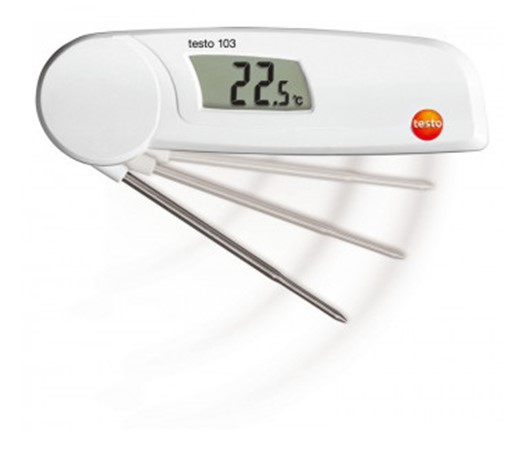 Testo 103 folding thermometer
 Milk quality analyzer "Laktan 1-4M" 500 isp. MINI
 Magnetic stirrer С-MAG HS7
 Laboratory table on supporting pedestal BA-CL-X.X SLv-t TR -a
 Homogenizer (laboratory blender) BagMixer
 Light colored glass bottle without a faucet
- Indicator strips for the determination of neutralizing substances (soda and ammonia) in milk, 100 pcs.
- Tagler TSLM 1-8 milk centrifuge (without heating) (Russia)
- Thermometer TS-7AMK for refrigerators and freezers (-35...+50 °C)
- HI 98509 Checktemp 1 Portable Electronic Thermometer with Remote Sensor
- Universal homogenizer Ultra-Turrax Tube Drive P control, IKA
- Reagent cabinet
- Blade Homogenizer MicroBio BA400
- Bürkle Qualirod tapered sampler 120 and 170 mm immersion depth
- Overhead stirrer WB2000-M
Packing
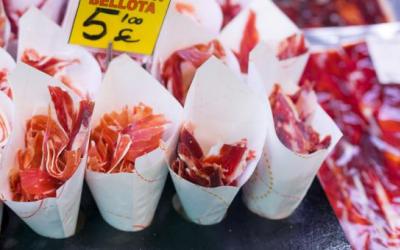


Additional Products
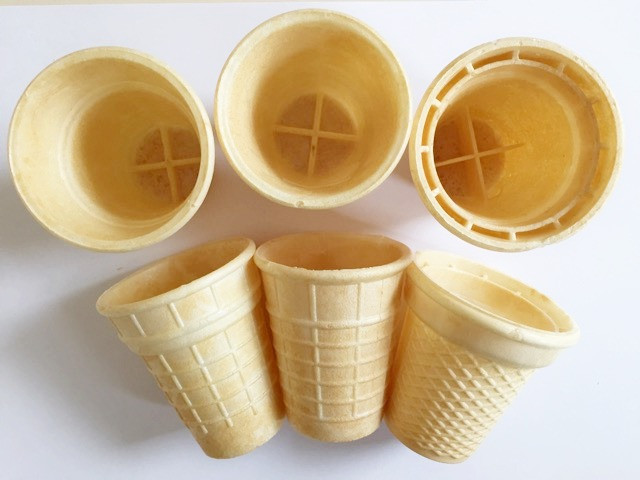 Wafer cup and cone
 Ice cream sticks Standard 93
 Ice cream sticks (round)
 Petri dish 90 mm
 J-Bottom technology
 Ice cream sticks Standard 114
- Ice cream sticks (with logo)
- Pepsin whey pork
- General purpose environment of SPC "Biocompass-S" (Uglich)
- Ice cream sticks Magnum (curly)
- Auxiliaries for sugar products
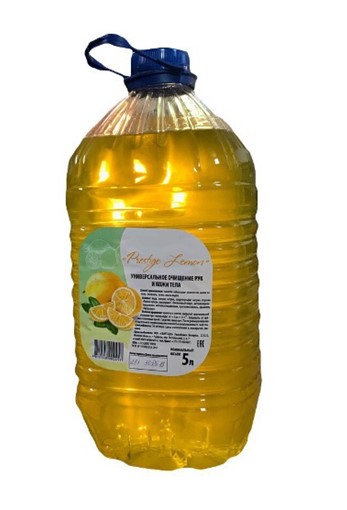

Microbiology
 MicroFast® Salmonella Count Plate (SAL), for the determination of Salmonella in food and environmental samples (Catalog #LR1006)
 Substrate for determining the number of staphylococci (Catalog number LR1005) MicroFast® Staphyloccocus aureus Count Plate
 Yeast & Mold Count Plate (cat. no. LR1003) MicroFast® Yeast & Mold Count Plate
 MicroFast® Microbiological Substrates
 Substrate for accelerated determination of QMAFAnM, (catalog number LR1321)
 MicroFast® Environmental Listeria Count Plate
- Coliform Count Plate (catalog number LR1002) MicroFast® Coliform Count Plate
- MicroFast® Coliform & E.coli Count Plate
- MicroFast® Enterobacteriaceae Count Plate (cat. no. LR1011)
- MicroFast® Staphyloccocus aureus Confirmation Plate Staph.aureus Confirmation Plate (cat. no. LR1005Q)
- MicroFast® Lactic Acid Bacteria Count Plate (Part Number LR1312)
- MicroFast® Bacillus cereus Count Plate (catalog number LR1010)
- Substrate for determining QMAFAnM (catalog number LR1001)
Our News
 Лечение рака в пробирке, недорогие аккумуляторы. Над какими проектами работают белорусские ученые12.12.2025
 "Perfect for pancakes, tiramisu, and cakes." What culinary masterpieces can you make with Chef Works cheeses, even at home?12.12.2025
 Минсельхозпрод скорректировал предельные минимальные цены на ряд экспортируемых товаров12.12.2025
- Pretzels that surprised Lukashenko: How a Minsk plant preserves the taste of the era11.12.2025
- Белорусская текстильная продукция впервые продана в Узбекистан на биржевых торгах11.12.2025
- Белорусские ученые работают над новыми подходами к лечению онкозаболеваний11.12.2025
- Биржевой товарооборот между Китаем и Брестской областью за год вырос более чем втрое 10.12.2025
- The Ministry of Housing and Communal Services proposed discussing the issues of waste management for goods and packaging10.12.2025
- В Румынии цены на яйца выросли почти на 60% за две недели10.12.2025
- БУТБ и Центр поддержки экспорта Башкортостана подписали соглашение о сотрудничестве07.12.2025
- Oman plans to invest in expanding dairy production in Belarus.05.12.2025
- Here, everything is focused on results: how does the Rodina Collective Farm maintain its reputation as a unique enterprise for Belarus?05.12.2025
- How to observe Lent without harming your health? We asked clergy and doctors.05.12.2025
- Over 2 million tons of milk and a billion eggs were produced in the Minsk region in 11 months.05.12.2025
- Лукашенко: Беларусь и Алжир в ближайшие год-два должны выйти на товарооборот хотя бы $500 млн04.12.2025
- Belarus is expanding opportunities to sell its goods to Mongolia and the UAE.04.12.2025
Articles
 Аргентинскую говядину ждет решающий год после заключения соглашения между Европейским союзом и Меркосур28.01.2026
 Argentina: Rising meat prices doubled inflation in 2025 and will drive the consumer price index higher again this year28.01.2026
 The CEO denied rumors about the sale of the Soviet meat processing plant.28.01.2026
- Россельхознадзор вернул на границе с Белоруссией 200 кг сыра и мясной продукции28.01.2026
- Аграрии Забайкалья продают излишки кормов для скота после успешной заготовки28.01.2026
- Fire at Reftinskaya Poultry Farm: Major Damage, No Casualties27.01.2026
- The N.I. Tkachev Agricultural Complex was named one of Russia's top employers by HeadHunter.27.01.2026
- Научные успехи в борьбе с вирусом гриппа птиц H5N1: российские учёные разработали новую вакцину27.01.2026
- A new investment project in the Askinsky District of Bashkortostan: the construction of a modern poultry farm27.01.2026
- Quarantine in the Tula region: Measures taken against brucellosis in cattle27.01.2026
- Mandatory livestock registration in Russia: New initiatives to support livestock farming27.01.2026
- Увеличение импорта мяса из Индии в Россию: новые перспективы сотрудничества27.01.2026
- A shipment of shawarma meat without the necessary documentation was detained in Mari El.27.01.2026
- US Broiler Market Outlook Week 4, January 26, 202627.01.2026
- US Hog Market Review for Week 4, January 26, 202627.01.2026
- US Cattle Market Review for Week 4, January 26, 202627.01.2026
Economics
 The EU will discuss simplifying the mechanism for freezing Russian assets.12.12.2025
 British banks have spoken out against the use of Russian assets.12.12.2025
 Reuters назвал фаворита на покупку зарубежных активов ЛУКОЙЛа12.12.2025
- Politico has learned of the EU's plan to simplify the mechanism for freezing Russian assets.11.12.2025
- Lavrov announced Trump's increase in sanctions against Russia.11.12.2025
- Суд ЕС отклонил иск Пумпянского о компенсации в размере €7,5 млн11.12.2025
- Bloomberg learned that Russia sent LNG to China despite sanctions.10.12.2025
- США поддержали Ирак в передаче актива ЛУКОЙЛа американской компании10.12.2025
- Sanctioned Russian investors have filed €53 billion lawsuits against the EU.10.12.2025
- Britain imposed sanctions against Dugin and the Rybar Telegram channel.10.12.2025
- Zakharova described Britain's sanctions against Dugin as "outdone herself."10.12.2025
- Reuters reported on the threat of a demographic catastrophe in Ukraine.05.12.2025
- In Britain, Sturges was recognized as an accidental victim of the assassination attempt on the Skripals.05.12.2025
- Reuters узнал о заявке венгерской компании на активы ЛУКОЙЛа05.12.2025
- МИД Британии вызвал посла России после доклада о смерти Стерджес05.12.2025
- МИД предупредил об ответе Лондону на санкции против ГРУ05.12.2025
Antibiotics in Milk
 Is it worth drinking antibiotics at the first sign of illness and what is the risk of it: an interview with a pharmacologist01.08.2020
 In Smolensk region the Rosselkhoznadzor Directorate returned to Belarusian consignors more than 33 tons of animal products transported with violations of veterinary requirements.04.02.2020
- Struggle for product quality and safety: experience of Belarusian colleagues19.11.2019
- Tiamphenicol07.08.2019
- Antibiotics in milk07.08.2019
- "While I'm talking to you nicely." The President threatened the government with prison for the death of a cattle25.07.2019
- Antibiotics in milk: Rumors and reality23.07.2019
- Antibiotics: harm or benefit17.07.2019
- Antibiotics in milk16.07.2019
Antibiotics in Meat
 Antibiotics in Meat: Prevention, Regulation and Consumer Health Concerns12.01.2024
 Antibiotics in Fried or Boiled Meat: Facts and Misconceptions12.01.2024
 Antibiotics in Sausage: Reality, Risks and Need for Control12.01.2024
- Antibiotics in Pelmeni: Real Threat or Myth?09.01.2024
- Antibiotics in Pork: Health Effects and Cooking Recommendations08.01.2024
- Antibiotics in Chicken: Safety, Regulation and Consumer Health Concerns08.01.2024
- Antibiotics in meat: problems and solutions06.01.2024
- Antibiotics in Beef: Between Animal Health and Consumer Safety06.01.2024
- Antibiotics in Chicken Meat: Safety, Regulation and Concern for Consumer Health06.01.2024
- Antibiotics in Rabbit Meat: Safety, Efficiency and Care for Consumers05.01.2024
- Antibiotics in Pork: Balance Between Health Concerns and Consumer Safety03.01.2024
- Antibiotics in Lamb03.01.2024
- Antibiotics in Meat: Real Risks and Transparency in Food Production29.12.2023
10 Interesting Facts
 Marbled meat: 10 interesting facts19.01.2024
 10 Fascinating Facts About Cattle Hoof Baths18.01.2024
 Antibiotics - 10 interesting facts18.01.2024
- Cutlets - 10 interesting facts18.01.2024
- 10 Interesting Facts about Carp17.01.2024
- Salmon - 10 Interesting Facts17.01.2024
- Beer belly 10 interesting facts17.01.2024
- Beer - 10 interesting facts17.01.2024
- Antibiotic tests pioneer - 10 interesting facts17.01.2024
- Rubber rings for castration - 10 interesting facts17.01.2024
Diseases of cattle
 Dicroceliosis in cattle09.03.2024
 Demodicosis in cattle01.03.2024
 Purulent mastitis of cattle27.02.2024
- Hypodermatosis in cattle20.02.2024
- Hemonchoz in cattle11.02.2024
- Bursitis in cattle30.01.2024
- Brucellosis in cattle29.01.2024
- Bronchopneumonia in calves27.01.2024
- Bronchitis in cattle26.01.2024
- Mortellaro disease in cattle24.01.2024
- White muscle disease in cattle23.01.2024
- Babesiosis in cattle22.01.2024
- Cattle acidosis20.01.2024
- Arthritis in cattle20.01.2024
- Anaplasmosis in cattle18.01.2024
Misc
 A drunk pedestrian was hit by a car in Dokshitsy and is in the hospital.11.12.2025
 The number of shoplifting incidents in Latvia has increased sharply over the past year.11.12.2025
 In Minsk, a drunk car-sharing driver lost control and damaged two cars.11.12.2025
- "Alcohol is often the cause of such crimes." The court heard cases involving intentional infliction of grievous bodily harm.11.12.2025
- A drunk teenager broke a car's windows, climbed inside, and fell asleep. A criminal case has been opened for hooliganism.10.12.2025
- В Гомельской области за несколько дней было выявлено почти 3 тыс. нарушений ПДД10.12.2025
- They were trying to get people out of binge drinking without training or a license. A criminal group operating in the healthcare sector was shut down in Minsk.10.12.2025
- Что поможет быстро среагировать на пожар? Спасатели провели профилактический рейд в Минском районе07.12.2025
- In France, strikes have paralyzed the work of 26 alcoholic beverage producers.07.12.2025
- Sarkozy said he ate muesli, juice, and sweets in prison.07.12.2025
- In Grodno and the Grodno region, foreign citizens committed more than 70 serious traffic violations. 07.12.2025
- Житель Брестского района сжег паспорт жены, пытаясь предотвратить развод05.12.2025
- Сейм Латвии принял дефицитный бюджет с расходами на оборону в 4,9% от ВВП05.12.2025
- Скидки и акции. Что предлагает Белкоопсоюз в преддверии новогодних праздников 05.12.2025
- He threw a phone in someone's face and demanded money for alcohol. A Vitebsk resident was charged with beating his elderly mother.05.12.2025
- Каталась на чужом авто: в Червенском районе задержали угонщицу05.12.2025
Cloud of Tags
ОтпускВ китаеБразилияИнвестицииЗаконопроектСырыГерманияПродукты питанияЭкспортМолокоВирусЗеленскийМинсельхозДетиЕгипетБройлерСпутник vЦеныДональд ТрампВеликобританияИталияРаботаTelegramВладимир ПутинПитаниеБизнесИсследованияУрожаяСотрудники ГАИБолезньПесковМаслоКазахстанРоспотребнадзорПоддержкаОнлайнЯпонияминистр сельского хозяйстваПольшаМЧСАзербайджанПроизводство мясаReutersЕАЭССельское хозяйствоДолларЗависимостьГовядинаВакцинацииЖивотноеКитайОрганизмДиректорИмпортКрупный рогатый скотКофеАлкогольного опьяненияПрокуратураКанадаНовостиВьетнамCOVID-19ЗдоровьеЕСМоскваТурцияВакцинацияСанкцииAppleКолбасыМинфинТАССМясоFacebookБеларусьКРССанкт-ПетербургИммунитетАлкогольRussiaЗаконНефтьДеньгиРодителиДмитрий песковУборкаМясокомбинатНедвижимостьЯйцаФермерКартофельУкраинеПтицефабрикаЛечениеСвининаУкраинаМинздравИнфляцияКредитКризис2024РоссельхознадзорПодмосковьеАЧСЦентробанкСубсидииДжо БайденЕврокомиссияТатарстанУзбекистанВостокОбщепитРосстатМинскПродукцияПравительствоСудУченыеМясо птицыКлиматРоссиянеДоходыАнтибиотиковGoogleПродовольствиеВеликобританииВластиВыручкаЭкономикаЗапретКоронавирусФруктыКрупного рогатого скотаАвстралияКарантинГазпромBloombergСШАФранцияМужчиныПензенской областиРубльСмертьПраздникПроизводство молокаТребованияЛекарстваГовядинуАлександр ЛукашенкоРоссия