Vučić said he would discuss the issue of US sanctions against NIS with Putin.
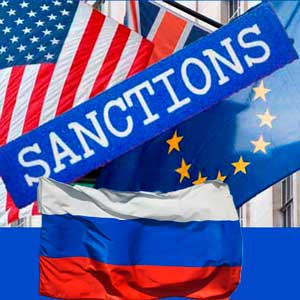
Photo is illustrative in nature. From open sources.


President of Serbia AlexanderVucic said after meeting with Putin in Beijing that they had agreed to jointly resolve the issue of US sanctions against the Petroleum Industry of Serbia, almost half of which is owned by Gazprom Neft.Aleksandar Vucic
Following a meeting with Russian President Vladimir Putin in Beijing, Serbian President Aleksandar Vučić announced that they had agreed to jointly address the issue of US sanctions against the Oil Industry of Serbia (NIS).
"The third issue was sanctions against NIS. We agreed to work together to save this important company and its operations. We don't want to steal anything from anyone and we won't carry out any nationalization. We hope that the major players will be able to reach an agreement on this issue," he said ( quoted by TASS ).
At the end of August, the US postponed the imposition of sanctions against NIS until September 26, 2025. This is the sixth postponement. Previously, as the Financial Times noted, they were related to the stakes of Russian companies in NIS: Gazprom Neft owns 44.85%, Gazprom owns 11.3%, and Serbia owns 29.87%.
The Republic's Minister of Mining and Energy, Dubravka Djedović-Handanović, noted that the goal is to remove NIS from the sanctions list of the US Treasury Department's Office of Foreign Assets Control (OFAC). She expressed hope that continued high-level negotiations between the US and Russia will facilitate progress toward lifting US sanctions.
NIS itself stated that the extension of the sanctions-free regime allows the company to maintain its business and execute contracts and transactions. It also retains the ability to dispose of or transfer debt or equity.
NIS is the largest energy company in the Balkans. It is engaged in hydrocarbon exploration and production outside Serbia—in Romania and Bosnia and Herzegovina—as well as oil and natural gas refining. It owns an oil refinery in Pancevo, near Belgrade, and a network of over 400 petrol stations. Its largest shareholders are Gazprom Neft and Gazprom (56.15%), as well as Serbia (29.87%).
Sanctions against NIS were imposed in early January 2025, when the US demanded that Serbia completely divest Russian participation in the company. Vučić stated that Belgrade was prepared to buy out the Russian stake, but noted that the authorities would not take any action without Moscow's approval.
Russian Ambassador to Serbia Alexander Botsan-Kharchenko stated that US sanctions against NIS were imposed during a period of mass protests in Serbia, which he believes is a deliberate move by the US. He noted that the company's disruption could lead to higher fuel prices and supply disruptions, which could exacerbate social unrest.
Putin and Vučić met in Beijing on September 2. "We are currently the only European country that has not imposed any sanctions against the Russian Federation, and we will, of course, maintain our neutrality in the future," the Serbian leader said, commenting on the meeting's outcome.
ReadPIONERPRODUKT .by inTELEGRAM .
Read together with it:
- Mexican and Canadian beef is losing ground in the US market.Beef from Mexico and Canada is losing ground in American kitchens and restaurants, despite being imported without tariffs imposed on all exports by US President Donald Trump a year ago. According to Tegra Consultant, Canadian meat sales to the United States have fallen by 23.56% over the past two years, while Mexican food exports to that market have fallen by 11.5......
- Lavrov and the Swiss Foreign Minister will discuss the "deep crisis" of the OSCE.Sergey Lavrov Russian Foreign Minister Sergey Lavrov will meet with Swiss Foreign Minister Ignazio Cassis in Moscow on February 6 to discuss the crisis in the Organization for Security and Cooperation in Europe (OSCE), Smolenskaya Square reported. Switzerland assumed the OSCE Chairmanship on 1 January 2......
- Kirilenko spoke about the problems facing Russian teams after sanctions were lifted.The head of the Russian Basketball Federation (RBF) stated that FIBA could make a final decision on the return of Russian basketball in April, but visa barriers remain the main problem. Andrei KirilenkoIn an interview with RBC Sport, Russian Basketball Federation (RBF) President Andrei Kirilenko discussed the possible return of Russian basketball to the international arena. He also cited visa an...
- Lavrov believes that US statements about cooperation are inconsistent with sanctionsSergey Lavrov US statements about the possibility of investment cooperation with Russia "do not fit" with Washington's sanctions policy, Russian Foreign Minister Sergey Lavrov said in an interview with RT. US President Donald Trump is in no rush to lift sanctions against Moscow, but is instead escalating them, Lavrov stated earlier during a government hour in the Federation Council. He recalled ho...
- The Russian ambassador warned of a reaction to the Faroe Islands' change in stance on sanctions.Vladimir BarbinThe Faroe Islands' change in stance on sanctions against Russia will not go unnoticed by Moscow, Russian Ambassador to Denmark Vladimir Barbin said in an interview with RIA Novosti. The statement was prompted by the Faroe Islands Parliament's decision to support sanctions against Russian fishing companies Norebo and Murman Seafood, as well as the Faroe Islands government's announcem...
Test for Atnibiotics in Milk
 Rapid tests for determining the residual amount of tetracyclines in meat
 Express tests for determining the residual amount of β-lactams and tetracyclines in milk, whey
 PIONEER MEIZHENG BIO-TECH (5 in 1) JC0726 / Rapid tests for determining the residual amount of Bacitracin, ansamycins, clindamycin, spiramycin, florfenicol in milk, whey
 Rapid tests PIONER 5 in 1 for the determination of sulfonamides, tylosin, tilmicosin, lincomycin, erythromycin, fluoroquinolones
Laboratory equipment
 LOIP LAB-FH-Euro flask heater
 Brand Dispensette Series Bottle Dispensers
 VK-75-01 steam sterilizer upgraded version (Tyumen, Russia)
 VZ-246 viscometer with three interchangeable nozzles
 Tagler TSLM 1-8 milk centrifuge (without heating) (Russia)
 Indicator strips "CHAS-100 mg",100 pcs
- Milk samplers for flasks and tanks (Russia)
- HI 83141 Portable pH meter/millivolt meter/thermometer (pH/mV/T) (0...14.00 pH)
- ROTAVISC IKA Viscometer (Germany)
- Laboratory timer TL-303
- Double tapered rubber plug for boutirometers (fat meters)
- Sets of weights
- Nova Safety milk centrifuge (Germany)
- ColonyStar Semi-Automatic Microbial Colony Counter
Packing



Additional Products
 Auxiliaries for sugar products
 Wafer cup and cone
 Pepsin whey pork
 Ice cream sticks (round)
 Petri dish 90 mm
 General purpose environment of SPC "Biocompass-S" (Uglich)
- Ice cream sticks Magnum (curly)
- J-Bottom technology
- Ice cream sticks Standard 114
- Ice cream sticks (with logo)
- Ice cream sticks Standard 93


Microbiology
 Substrate for determining QMAFAnM (catalog number LR1001)
 MicroFast® Enterobacteriaceae Count Plate (cat. no. LR1011)
 MicroFast® Staphyloccocus aureus Confirmation Plate Staph.aureus Confirmation Plate (cat. no. LR1005Q)
 MicroFast® Microbiological Substrates
 Substrate for accelerated determination of QMAFAnM, (catalog number LR1321)
 MicroFast® Bacillus cereus Count Plate (catalog number LR1010)
- MicroFast® Salmonella Count Plate (SAL), for the determination of Salmonella in food and environmental samples (Catalog #LR1006)
- MicroFast® Environmental Listeria Count Plate
- MicroFast® Lactic Acid Bacteria Count Plate (Part Number LR1312)
- Substrate for determining the number of staphylococci (Catalog number LR1005) MicroFast® Staphyloccocus aureus Count Plate
- MicroFast® Coliform & E.coli Count Plate
- Yeast & Mold Count Plate (cat. no. LR1003) MicroFast® Yeast & Mold Count Plate
- Coliform Count Plate (catalog number LR1002) MicroFast® Coliform Count Plate
Our News
 Sterilized, pasteurized and fresh milk: what is the difference and which is healthier?10.12.2024
 Purple wheat is just the beginning. How Belarusian breeding will develop06.12.2024
 Селекция и семеноводство, племенное дело. Минская и Омская области углубят сотрудничество в АПК06.12.2024
- Минсельхозпрод скорректировал минимальные экспортные цены на мясо-молочную продукцию06.12.2024
- Golovchenko: Without a transition to high technology, it will be difficult to ensure growth in the agricultural sector03.12.2024
- From field to counter and table. Workers of the agro-industrial complex of Orsha district were awarded for their work03.12.2024
- OJSC Minsk Dairy Plant No. 1 Celebrates Its 95th Anniversary30.11.2024
- МТК "Сеньково" на 600 голов дойного стада открылся в Могилевском районе30.11.2024
- Переход к мультитоварности: Китай начал покупать на БУТБ белорусское сливочное масло29.11.2024
- Expert: Belarus should scale up the practice of creating eco-industrial parks29.11.2024
- Цифровые технологии и передовой опыт: сотрудничество Беларуси и ФАО выйдет на новый уровень28.11.2024
- Беларусь и Кыргызстан усилят биржевой вектор сотрудничества28.11.2024
- "Ультрасовременное сельхозпредприятие". На МТК под Солигорском поделились секретами своего успеха27.11.2024
- About 450 dairy complexes are planned to be built and reconstructed in Belarus by 202727.11.2024
- На 13% выросло производство яиц в Беларуси27.11.2024
- Milk production in agricultural organizations in Belarus increased by 5.5%27.11.2024
Articles
 Tomsk Region's Success in Pork Exports: New Horizons in the Vietnamese Market23.10.2025
 Moscow Region increased pork exports by 35% in nine months23.10.2025
 Russia's agro-industrial complex is strengthening its position in the Chinese market: meat and flour exports are increasing.23.10.2025
- A large batch of Astrakhan agricultural products has been exported to Iran.23.10.2025
- The southern Krasnoyarsk region is increasing milk and meat production.23.10.2025
- A new forum on animal protection in Russia: problems and solutions18.10.2025
- Almost 45,000 tons of meat were imported into Primorye under the supervision of Rosselkhoznadzor.17.10.2025
- While Argentina is still waiting, Bolivia has already received the green light to export beef offal to China.17.10.2025
- The global price of meat has reached a historic high, rising sharply over the past year.17.10.2025
- Paraguay takes advantage of Trump's tariffs and increases meat exports to the US.17.10.2025
- Chile resumes importing meat and livestock from Patagonia17.10.2025
- Siberian poultry farm PRODO completed a 255 million ruble modernization of its facilities.17.10.2025
- New meat product labeling: impact on the market and economy17.10.2025
- Exports of domestic meat and livestock products increased by 14% in 202517.10.2025
- New status for the All-Russian Research Institute of Animal Husbandry: The Center will be able to conduct interlaboratory testing using new criteria.17.10.2025
- Rosselkhoznadzor conducted six inspections of livestock farms using UAVs in the Rostov and Volgograd regions and Kalmykia.17.10.2025
Economics
 Poroshenko supporters block Rada rostrum after sanctions imposed13.02.2025
 National Security and Defense Council imposes sanctions against Poroshenko13.02.2025
- Poroshenko called the decision of the National Security and Defense Council to impose sanctions against him a provocation13.02.2025
- WM узнала о планах США ввести санкции против мэра Одессы12.02.2025
- Vucic said he expects big problems due to US sanctions against NIS11.02.2025
- The US, UK, and Australia have imposed sanctions against Zservers and two Russians.11.02.2025
- Western Union has suspended money transfers from the United States to Cuba.10.02.2025
- Reuters learned of US sanctions against the ICC chief prosecutor08.02.2025
- Власти сочли невыгодной форсированную декарбонизацию в условиях санкций08.02.2025
- ICC responds to Trump sanctions with promise to continue work07.02.2025
- Netanyahu thanks Trump for ICC sanctions07.02.2025
- A store in Vladivostok was inspected where a rat's "lunch" was filmed on the counter07.02.2025
- NBC рассказал, когда Трамп подпишет указ о санкциях против МУС07.02.2025
- Европейские банки повысили минимальный порог для счетов россиян07.02.2025
- Минюст США распустил группу по поиску активов российского бизнеса07.02.2025
- Trump imposed sanctions against the ICC07.02.2025
Antibiotics in Milk
 Is it worth drinking antibiotics at the first sign of illness and what is the risk of it: an interview with a pharmacologist01.08.2020
 In Smolensk region the Rosselkhoznadzor Directorate returned to Belarusian consignors more than 33 tons of animal products transported with violations of veterinary requirements.04.02.2020
- Struggle for product quality and safety: experience of Belarusian colleagues19.11.2019
- Tiamphenicol07.08.2019
- Antibiotics in milk07.08.2019
- "While I'm talking to you nicely." The President threatened the government with prison for the death of a cattle25.07.2019
- Antibiotics in milk: Rumors and reality23.07.2019
- Antibiotics: harm or benefit17.07.2019
- Antibiotics in milk16.07.2019
Antibiotics in Meat
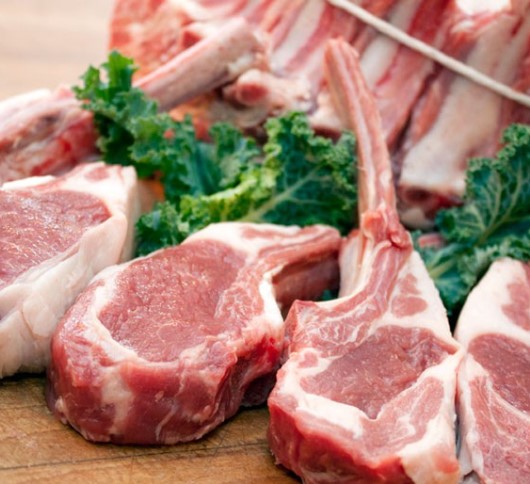 Antibiotics in Meat: Prevention, Regulation and Consumer Health Concerns12.01.2024
 Antibiotics in Fried or Boiled Meat: Facts and Misconceptions12.01.2024
 Antibiotics in Sausage: Reality, Risks and Need for Control12.01.2024
- Antibiotics in Pelmeni: Real Threat or Myth?09.01.2024
- Antibiotics in Pork: Health Effects and Cooking Recommendations08.01.2024
- Antibiotics in Chicken: Safety, Regulation and Consumer Health Concerns08.01.2024
- Antibiotics in meat: problems and solutions06.01.2024
- Antibiotics in Beef: Between Animal Health and Consumer Safety06.01.2024
- Antibiotics in Chicken Meat: Safety, Regulation and Concern for Consumer Health06.01.2024
- Antibiotics in Rabbit Meat: Safety, Efficiency and Care for Consumers05.01.2024
- Antibiotics in Pork: Balance Between Health Concerns and Consumer Safety03.01.2024
- Antibiotics in Lamb03.01.2024
- Antibiotics in Meat: Real Risks and Transparency in Food Production29.12.2023
10 Interesting Facts
 Marbled meat: 10 interesting facts19.01.2024
 10 Fascinating Facts About Cattle Hoof Baths18.01.2024
 Antibiotics - 10 interesting facts18.01.2024
- Cutlets - 10 interesting facts18.01.2024
- 10 Interesting Facts about Carp17.01.2024
- Salmon - 10 Interesting Facts17.01.2024
- Beer belly 10 interesting facts17.01.2024
- Beer - 10 interesting facts17.01.2024
- Antibiotic tests pioneer - 10 interesting facts17.01.2024
- Rubber rings for castration - 10 interesting facts17.01.2024
Diseases of cattle
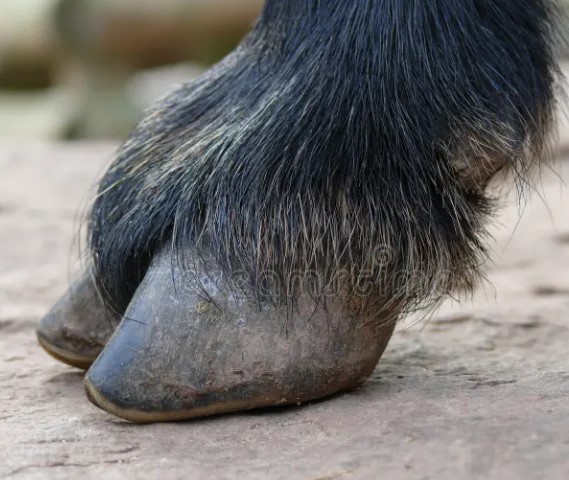 Dicroceliosis in cattle09.03.2024
 Demodicosis in cattle01.03.2024
 Purulent mastitis of cattle27.02.2024
- Hypodermatosis in cattle20.02.2024
- Hemonchoz in cattle11.02.2024
- Bursitis in cattle30.01.2024
- Brucellosis in cattle29.01.2024
- Bronchopneumonia in calves27.01.2024
- Bronchitis in cattle26.01.2024
- Mortellaro disease in cattle24.01.2024
- White muscle disease in cattle23.01.2024
- Babesiosis in cattle22.01.2024
- Cattle acidosis20.01.2024
- Arthritis in cattle20.01.2024
- Anaplasmosis in cattle18.01.2024
Misc
 "Достаточно много!" Нарколог про статистику по потреблению алкоголя в Беларуси08.01.2025
 Drunk man in stolen car causes accident near Brest, Investigative Committee reveals details of case08.01.2025
 Drunk car sharing driver detained in Minsk08.01.2025
- Более 850 пешеходов привлекли к ответственности за прошедшие выходные в Витебской области08.01.2025
- Drunk driver detained in Minsk for attempting to bribe06.01.2025
- The Ministry of Internal Affairs reminded what you cannot bring to mass events05.01.2025
- Traffic police detained a driver in Minsk with more than 2 ppm of alcohol05.01.2025
- Two road accidents occurred in Gomel region, one person died05.01.2025
- For an Orthodox Christian, the tradition of preparing 12 dishes is not mandatory. A priest on the rules for celebrating Christmas05.01.2025
- Emergencies Ministry: About 70 fires occurred in Belarus over the past weekend03.01.2025
- More than 1.5 thousand traffic violations were detected on the roads of the Gomel region in three days03.01.2025
- Traffic police officers in Minsk detained a drunk driver of a passenger car03.01.2025
- Ожоги глаз и травмы рук: в Беларуси за сутки шесть человек пострадали от пиротехники03.01.2025
- На дорогах Витебской области за выходные задержали около 30 бесправников03.01.2025
- Drunk driver behind the wheel of a car sharing car detained in Minsk03.01.2025
- "The fireworks are beautiful, like in China." Foreigners shared their first experience of celebrating the New Year in Belarusian style.03.01.2025
Cloud of Tags
ДиректорПольшаСудGoogleМинздравОрганизмСвининаЕСТатарстанКризисКанадаПраздникРоссельхознадзорПензенской областиCOVID-19ИсследованияМужчиныУборкаОнлайнМинсельхозТАССБройлерСырыИталияFacebookМинскЕврокомиссияАнтибиотиковВирусУзбекистанПроизводство мясаКлиматВьетнамГерманияБизнесНефтьВ китаеЛекарстваПрокуратураЗеленскийДетиОбщепитСельское хозяйствоЦеныПродовольствиеБразилияНовостиминистр сельского хозяйстваКофеФранцияДоходыRussiaВакцинацияЭкономикаКредитСанкт-ПетербургИнвестицииВеликобританииСШАЗависимостьМаслоReutersЯпонияВластиМЧСГовядинуЕгипетРоспотребнадзорВеликобританияДеньгиПроизводство молокаЗапретМясо птицыИммунитетМясокомбинатДональд ТрампРоссияАлкогольного опьяненияИнфляцияСанкцииУченыеДолларЦентробанкАзербайджанКазахстанСмертьТребованияКарантинКрупный рогатый скотАвстралияВакцинацииАЧСГовядинаПравительствоФруктыИмпортАлкогольУкраинеЖивотноеАлександр ЛукашенкоУкраинаПродукцияСпутник vЛечениеКоронавирусКитайСубсидииКартофельБеларусьВыручкаФермерБолезньAppleМоскваДжо БайденЗдоровьеМясоЗаконопроектBloombergРоссиянеВостокЯйца2024ПтицефабрикаКрупного рогатого скотаЭкспортТурцияПродукты питанияКолбасыНедвижимостьПоддержкаПитаниеКРСМолокоДмитрий песковTelegramРаботаГазпромПодмосковьеВладимир ПутинСотрудники ГАИРодителиЕАЭСРосстатОтпускУрожаяПесковМинфинРубльЗакон