
Quarantine in Stavropol: outbreak of bovine leukemia
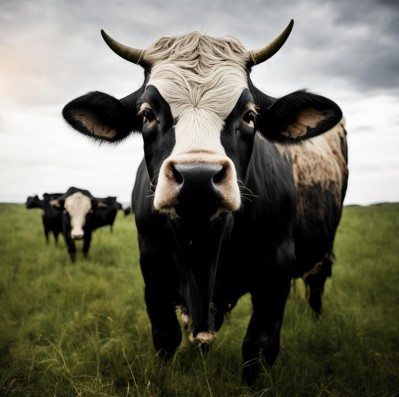
Photo is illustrative in nature. From open sources.


Leukemia is a chronic infectious disease that affects cattle . It is caused by a virus that is transmitted primarily through blood and milk . The infection can be asymptomatic for a long time, which makes it especially dangerous. The disease causes significant economic losses in livestock farming, as infected animals lose productivity and require special treatment.
In accordance with the order of the Stavropol Veterinary Department, the area around the outbreak of infection, with a radius of 1 kilometer, was recognized as an unfavorable point. Strict restrictions have been introduced in this area: it is prohibited to hold agricultural fairs, exhibitions and any events related to the movement of susceptible animals. This is necessary to prevent the further spread of the virus.
In addition, veterinary services monitor the health of animals in the area. Specialists conduct regular examinations and testing for infection, and inform livestock owners of the need to comply with sanitary standards.
Owners of cattle in the quarantine zone are strongly advised to:
1. Avoid contact with animals from other farms to minimize the risk of infection.
2. Do not use raw milk from sick animals, as this may have negative consequences for human health.
3. Observe hygiene rules when caring for animals and in the premises where they are kept.
Compliance with quarantine measures is extremely important to protect the health of both animals and people. Leukemia can have serious consequences not only for the regional economy, but also for food security. Therefore, local authorities and veterinary services call on all participants in the agricultural sector to be attentive and responsible.
Quarantine is a temporary measure aimed at protecting the health of farm animals and preventing the spread of infection. Timely action and compliance with recommendations will help cope with the situation and minimize the damage from this disease.
Read together with it:
- Blaming cows was a mistake: meadows absorb more gases than cattle emit.Cows have become a symbol of controversy, as debates about their environmental impact, particularly regarding methane emissions, have generated headlines, political decisions, and criticism. But while many study the animals themselves, a group of researchers decided to examine the soil. At the University of Nebraska-Lincoln, a team of researchers led by Professor Galen Erickson conducted a study t...
- Kirilenko spoke about the problems facing Russian teams after sanctions were lifted.The head of the Russian Basketball Federation (RBF) stated that FIBA could make a final decision on the return of Russian basketball in April, but visa barriers remain the main problem. Andrei KirilenkoIn an interview with RBC Sport, Russian Basketball Federation (RBF) President Andrei Kirilenko discussed the possible return of Russian basketball to the international arena. He also cited visa an...
- The Russian ambassador warned of a reaction to the Faroe Islands' change in stance on sanctions.Vladimir BarbinThe Faroe Islands' change in stance on sanctions against Russia will not go unnoticed by Moscow, Russian Ambassador to Denmark Vladimir Barbin said in an interview with RIA Novosti. The statement was prompted by the Faroe Islands Parliament's decision to support sanctions against Russian fishing companies Norebo and Murman Seafood, as well as the Faroe Islands government's announcem...
- Robotic farms have opened in Udmurtia.The Progress agricultural production cooperative officially launched two modern robotic farms, each designed for 140 cows, and a facility for 300 calves. Vasily Muklin, Minister of Agriculture and Food of Udmurtia, attended the opening ceremony . "Progress is a leading enterprise in the region, steadily improving its performance. Today, we see a logical continuation of this trend. Currently, four ...
- A farm in the Oryol region was fined for violating veterinary regulations.The inspection revealed that cattle had been removed from the farm without the necessary electronic veterinary documentation certifying the animals' health for various diseases. At the time of the inspection, the farm housed over 250 head of cattle . During the inspection, two emaciated cows were discovered, kept in conditions that did not meet veterinary standards. Violations in the handling of b...
- A 6.2% decline in the cattle population in the Altai region, while milk production increased.The decrease affected all major types of farm animals: the number of cows decreased by 7.3% to 203.7 thousand, pigs by 3.3% to 269.6 thousand, and sheep and goats by 9.2% to 120.2 thousand. Despite the overall decline in livestock numbers, the region's agricultural production figures showed positive trends. In 2......
- In the Novosibirsk region, a cow infected with rabies attacked a veterinarian.The Iskitim Central District Hospital reported this. A rabies epidemic has affected several regions, including the Krasnoyarsk Krai and Omsk Oblast. Rabid foxes typically attack people, but attacks by wolves and wild cats have also been recorded. Authorities have implemented quarantine measures. Nine people, including five children, who drank milk from the infected cow have been vaccinated. The cl...
- The European Commission has updated its measures to combat bovine dermatosis following an outbreak in Girona.Implementing Decision 2026/230, published this Friday in the Official Journal of the European Union (OJEU), explains that Spain, in response to the new outbreak of the disease, has established the appropriate protection and surveillance zones in Catalonia, as well as the measures to be applied, which are detailed in the annex to this regulation. The size and duration of the vaccination zones are a...
Test for Atnibiotics in Milk
 TEST KIT for determination of inhibitory agents PIONEERPRODUKT® DASH-TEST, WC0040
 Rapid 4 in 1 tests for determining the residual amount of neomycin, kanamycin, gentamicin, spectinomycin in milk, whey
 Express tests for determining the residual amount of β-lactams, tetracyclines, chloramphenicol, streptomycins in milk, whey
 Express-tests PIONER 5 in1 for the determination of thiamphenicol, meloxicam, colistine, trimethoprim, sulfonamides
Laboratory equipment
 Closet
 pH/temperature meter Testo 205 (Germany)
 Water bath WB-12(WB-24) for butyrometers
 Isothermal containers for 10, 17 and 26 liters
 Laboratory timer TL-303
 Steam autoclaves/sterilizers GC (Russia)
- Table for microscopy BA-CL- X.X. CM TR-a
- Testo 105 food thermometer
- Navigator NV222 mastoprim weighing scale, (220 g, 0.01 g, external calibration)
- Electronic thermometer Testo 905-T1
- Tagler BVR-18 water-reducer bath (Russia)
- Low rack to the island table BA-SL-STONE
- Bactericidal irradiators - recirculators (working in the presence of people) Defender
- Testeur de propreté du lait PMM-M
Packing



Additional Products
 Ice cream sticks Standard 114
 Pepsin whey pork
 Petri dish 90 mm
 Ice cream sticks (round)
 Ice cream sticks Standard 93
 Wafer cup and cone
- Ice cream sticks Magnum (curly)
- General purpose environment of SPC "Biocompass-S" (Uglich)
- Ice cream sticks (with logo)
- Auxiliaries for sugar products
- J-Bottom technology

Microbiology
 MicroFast® Environmental Listeria Count Plate
 MicroFast® Salmonella Count Plate (SAL), for the determination of Salmonella in food and environmental samples (Catalog #LR1006)
 Yeast & Mold Count Plate (cat. no. LR1003) MicroFast® Yeast & Mold Count Plate
 Substrate for accelerated determination of QMAFAnM, (catalog number LR1321)
 MicroFast® Microbiological Substrates
 MicroFast® Enterobacteriaceae Count Plate (cat. no. LR1011)
- Substrate for determining QMAFAnM (catalog number LR1001)
- MicroFast® Coliform & E.coli Count Plate
- MicroFast® Bacillus cereus Count Plate (catalog number LR1010)
- MicroFast® Staphyloccocus aureus Confirmation Plate Staph.aureus Confirmation Plate (cat. no. LR1005Q)
- MicroFast® Lactic Acid Bacteria Count Plate (Part Number LR1312)
- Substrate for determining the number of staphylococci (Catalog number LR1005) MicroFast® Staphyloccocus aureus Count Plate
- Coliform Count Plate (catalog number LR1002) MicroFast® Coliform Count Plate
Our News
 TOP-20 companies provide 40% of the world's milk processing volume10.12.2021
 NAIP named the most interesting Belarusian investment projects09.12.2021
 JPMorgan says global economy will fully recover09.12.2021
- Bogdanov on the introduction of an embargo: the market will be provided with food, and enterprises with raw materials08.12.2021
- Dzermant: Belarus keeps pace with Russia in response to Western sanctions pressure08.12.2021
- Light brown: food embargo is a kind of protection for the domestic market and our producer08.12.2021
- How much does arable land cost in the EU08.12.2021
- Strakhar: Mogilev Region and Altai Territory need to build close cooperative ties08.12.2021
- The severity of childhood disability decreased by 3%. Results of the joint project of UNICEF and the Ministry of Health of Belarus08.12.2021
- From January 1, in response to sanctions, Belarus introduces a food embargo on a number of goods08.12.2021
- In Russia, the validity period of PCR tests was reduced due to omicron08.12.2021
- Russia: the cost of milk is growing, production has begun to decline07.12.2021
- Export of Belarusian food in January-October increased by 14.1%07.12.2021
- Zhytomyr deputies ask for preferences for domestic producers07.12.2021
- A reconstructed workshop for growing young cattle was opened in the Ushachsky district06.12.2021
- Vitebsk Concern "Meat and Dairy Products" increased exports to China by 2.5 times in 10 months06.12.2021
Articles
 Hungary lifts restrictions after foot-and-mouth outbreak24.03.2025
 US Hog Market Review Week 12, March 24, 202524.03.2025
 US: Cattle Market Review Week 12, March 24, 202524.03.2025
- Sergey Zhukov's New Business: Sous-vide Meat Processing21.03.2025
- Yaroslavl region demonstrates positive trends in the development of food and processing industry21.03.2025
- Выручка "Русагро" по МСФО выросла на 23,2% в 2024 году21.03.2025
- A quarantine for bovine leukemia has been established in the Krasnogorsk district of the Bryansk region.21.03.2025
- Russia's National Meat Association Warns of Risks of Declining Beef Production21.03.2025
- В России снизились оптовые цены на куриное мясо и яйца21.03.2025
- В Мурманской области изъяли крупную партию мяса21.03.2025
- National Meat Association calls for lifting quotas on duty-free beef imports to support domestic producers21.03.2025
- US Beef Exports to China: Deadlines Expiring and New Challenges21.03.2025
- USDA predicts meat, milk and egg prices to rise in 202521.03.2025
- Indonesia: Potential for Egg Exports to the US21.03.2025
- Moldova to cull 65,000 pigs due to massive ASF outbreak21.03.2025
- China retaliates against US with tariffs on food and agricultural products05.03.2025
Economics
 Tanker detained in Albania on suspicion of transporting Russian oil22.02.2023
 NYT reported on China's attempts to distance itself from Moscow22.02.2023
 The State Duma proposed to create an industry for the restoration of used spare parts22.02.2023
- Rosoboronexport explained the closedness of negotiations on military-technical cooperation with sanctions22.02.2023
- WSJ learned about the US plan to impose sanctions against 200 individuals and legal entities of Russia22.02.2023
- Mosfilm will close the country's only film development laboratory22.02.2023
- EU extends sanctions against Russia until the end of February 202421.02.2023
- In Poland, they announced a “collapsed” apple market due to the Russian embargo21.02.2023
- The head of the European Council compared sanctions against Russia with "tightening the noose"21.02.2023
- Airlines announce problems with flights to China21.02.2023
- The economic downturn in 2022 was less than during the pandemic20.02.2023
- EUobserver learned about EU plans to impose sanctions against Moskalkova20.02.2023
- Bloomberg learned about US concerns about Russia's place in the fertilizer market20.02.2023
- FT reported the failure of the West's attempts to turn Africa against Russia20.02.2023
- Bloomberg reports US concerns about Russia's leadership in the fertilizer market20.02.2023
- The German Institute reported the loss of Germany € 100 billion due to a special operation20.02.2023
Antibiotics in Milk
 Is it worth drinking antibiotics at the first sign of illness and what is the risk of it: an interview with a pharmacologist01.08.2020
 In Smolensk region the Rosselkhoznadzor Directorate returned to Belarusian consignors more than 33 tons of animal products transported with violations of veterinary requirements.04.02.2020
- Struggle for product quality and safety: experience of Belarusian colleagues19.11.2019
- Tiamphenicol07.08.2019
- Antibiotics in milk07.08.2019
- "While I'm talking to you nicely." The President threatened the government with prison for the death of a cattle25.07.2019
- Antibiotics in milk: Rumors and reality23.07.2019
- Antibiotics: harm or benefit17.07.2019
- Antibiotics in milk16.07.2019
Antibiotics in Meat
 Antibiotics in Meat: Prevention, Regulation and Consumer Health Concerns12.01.2024
 Antibiotics in Fried or Boiled Meat: Facts and Misconceptions12.01.2024
 Antibiotics in Sausage: Reality, Risks and Need for Control12.01.2024
- Antibiotics in Pelmeni: Real Threat or Myth?09.01.2024
- Antibiotics in Pork: Health Effects and Cooking Recommendations08.01.2024
- Antibiotics in Chicken: Safety, Regulation and Consumer Health Concerns08.01.2024
- Antibiotics in meat: problems and solutions06.01.2024
- Antibiotics in Beef: Between Animal Health and Consumer Safety06.01.2024
- Antibiotics in Chicken Meat: Safety, Regulation and Concern for Consumer Health06.01.2024
- Antibiotics in Rabbit Meat: Safety, Efficiency and Care for Consumers05.01.2024
- Antibiotics in Pork: Balance Between Health Concerns and Consumer Safety03.01.2024
- Antibiotics in Lamb03.01.2024
- Antibiotics in Meat: Real Risks and Transparency in Food Production29.12.2023
10 Interesting Facts
 Marbled meat: 10 interesting facts19.01.2024
 10 Fascinating Facts About Cattle Hoof Baths18.01.2024
 Antibiotics - 10 interesting facts18.01.2024
- Cutlets - 10 interesting facts18.01.2024
- 10 Interesting Facts about Carp17.01.2024
- Salmon - 10 Interesting Facts17.01.2024
- Beer belly 10 interesting facts17.01.2024
- Beer - 10 interesting facts17.01.2024
- Antibiotic tests pioneer - 10 interesting facts17.01.2024
- Rubber rings for castration - 10 interesting facts17.01.2024
Diseases of cattle
 Dicroceliosis in cattle09.03.2024
 Demodicosis in cattle01.03.2024
 Purulent mastitis of cattle27.02.2024
- Hypodermatosis in cattle20.02.2024
- Hemonchoz in cattle11.02.2024
- Bursitis in cattle30.01.2024
- Brucellosis in cattle29.01.2024
- Bronchopneumonia in calves27.01.2024
- Bronchitis in cattle26.01.2024
- Mortellaro disease in cattle24.01.2024
- White muscle disease in cattle23.01.2024
- Babesiosis in cattle22.01.2024
- Cattle acidosis20.01.2024
- Arthritis in cattle20.01.2024
- Anaplasmosis in cattle18.01.2024
Misc
 Enterprises of "Belgospischeprom" supply products to 36 countries of the world16.07.2022
 GAI of Minsk region will work out places of unauthorized trade on the roads15.07.2022
 Gas market, transport projects, industrial cooperation: draft agenda of the Eurasian Intergovernmental Council approved15.07.2022
- More than 1.1 thousand drunk drivers were detected in Minsk in six months15.07.2022
- Death on the water: sad statistics, causes of tragedies and recommendations for safe behavior09.07.2022
- Five people died in accidents caused by drunk drivers in the Gomel region in January-June08.07.2022
- A drunk driver knocked down a pensioner to death in the courtyard of a house in the Svisloch district08.07.2022
- Drunken resident of Baranavichy smashed a local cafe08.07.2022
- In the Krasnopolsky district, a man was poisoned by a veterinary drug08.07.2022
- Since the beginning of summer, 13 people have drowned in the Vitebsk region08.07.2022
- In Kopyl, a drunk man was detained for desecration of a mass grave08.07.2022
- Drunken Pinsk resident shot his guests with pneumatics08.07.2022
- In the Shchuchinsky district, a robbery was committed on a girl07.07.2022
- REPORTAGE: Adults and children are drowning. Ministry of Emergency Situations urges to follow the rules of behavior on the water06.07.2022
- In Orsha district, a man smashed a shop door with a hammer06.07.2022
- In the Vitebsk region, 58 people died in fires in six months, 53 of them were drunk06.07.2022
Cloud of Tags
ТурцияИталияКРСФранцияРоспотребнадзорЛекарстваЕврокомиссияМаслоФруктыКолбасыRussiaПтицефабрикаБолезньЗаконПродукцияЕгипетУченыеВластиПроизводство молокаBloombergВакцинацииПродукты питанияПензенской областиДжо БайденУзбекистанМЧСКазахстанМинсельхозТребованияДетиВеликобританияИсследованияБройлерРодителиЦеныТАССДолларУборкаПравительствоAppleПроизводство мясаКартофельДмитрий песковСубсидииМинскАзербайджанВьетнамКрупного рогатого скотаОрганизмЦентробанкИнвестицииДоходыКризисУкраинаЗапретПитаниеИнфляцияСвининаСанкт-ПетербургВирусCOVID-19Спутник vМясо птицыАвстралияИммунитетБизнесМинфинАнтибиотиковМясоМолокоОтпускАлкогольУкраинеСельское хозяйствоВыручкаКитайКоронавирусКредитДональд ТрампЕАЭСПоддержкаГерманияЗеленскийЯпонияFacebookРоссиянеПесковЖивотноеReutersСудБеларусьИмпортПольшаЗдоровьеНедвижимостьКарантинКанадаПрокуратураМоскваСмертьЭкономикаминистр сельского хозяйстваСырыРоссияСотрудники ГАИМужчиныАЧСРубльРаботаФермерTelegramДеньгиЛечениеДиректорМинздравРоссельхознадзорВ китаеОбщепитНефтьОнлайнУрожаяМясокомбинатПраздникПодмосковьеВладимир ПутинЗаконопроектГовядинуТатарстанЭкспортАлександр ЛукашенкоНовостиGoogleЯйцаКлиматГазпром2024ЕСАлкогольного опьяненияВакцинацияВостокСШАГовядинаВеликобританииКофеСанкцииРосстатПродовольствиеБразилияКрупный рогатый скотЗависимость