
"New Building Prices Are Falling": How High Interest Rates Are Putting Pressure on the Moscow Market

Photo is illustrative in nature. From open sources.
Developers are keeping prices inflated . "We'd rather go bankrupt than lower them," they say. On RBC Radio, Oleg Repchenko, head of IRN.ru, calls this a "new serfdom" and explains what it means for buyers.
• [00:27] The main factor was not the price movement, but the key rate: it is unlikely to be lower than 12%, and you shouldn’t expect super-profitable mortgages.
• [01:29] The usual mass demand, spurred by preferential mortgages, has gone: there is no reason to expect a surge in buyers, and the reasons for the price increase are questionable.
• [03:29] The shortage of new buildings that developers are talking about is exaggerated; construction volumes are decreasing slightly, and demand is weakened.
• [06:30]Market reality : the price of a new building includes not only the apartment, but also up to 30% of the cost of a "financial product" (preferential mortgage, installment plan), which cannot be resold on the secondary market.
• [09:39] A bias is being formed: new buildings with a prefabricated structure are selling at a higher price, but on the secondary market the price is lower – the investor loses up to 30%, and it is extremely difficult to break even.
• [12:37] Forecast: in 2026, the key rate will be 12-15%, the secondary market is the most honest, and price growth is unlikely there. In new buildings, the market will face a drastic transformation and discounts.
How is the key rate affecting the real estate market, and what is your overall assessment of the situation?
Oleg Repchenko, head of the IRN.ru Real Estate Market Indicators portal
In previous years, we would gather and discuss prices: would they fall or rise? Now, apartment prices have taken a back seat. The interest rate has taken center stage. Everyone is asking questions: will it fall, won't it fall, how much might it fall, and is it possible for it to rise? This has become a key factor, since a significant portion of the market depends on mortgages.
Regarding the interest rate, optimists would like it to be lowered quickly. However, we see that the process is slow. If you recall, a year or two ago in a podcast you asked, "When will we have cheap mortgages?" I replied, "At least not in our lifetime." It seems that this prediction is coming true for a simple reason: there are too many external problems. This isn't our fault, but rather geopolitics and the macroeconomic situation.
What does this mean for the owner of an ordinary apartment in Moscow?
This means the following: super-low rates are unlikely. My thesis is that problems will periodically arise that will force the Central Bank to slow rate cuts, and at some point, a rate hike may be necessary. Overall, my forecast is that the key rate is unlikely to fall below 12%.
Is this a normal level?
I would say it's acceptable. However, many expect more, as they're used to cheap mortgages. Firstly, subsidized mortgages have been widespread for quite a long time. Moreover, during the crisis caused byDuring COVID , when the key rate was lowered to 4%, the average market mortgage was around 7%. So, people are expecting mortgages at 6-7-8%. They won't get them. I believe that such mortgages won't happen, because if the key rate is unlikely to fall below 12%, then mortgages will be at 15% and higher. This isThe reality we find ourselves in, and this is probably the main point. Expectations of a rapid rate cut to record levels will not be realized.
On the one hand, this means there's no point in expecting super-favorable terms; it's necessary to find ways to resolve your housing needs here and now. On the other hand, sellers won't see the influx of buyers with cheap mortgages seen in previous years. Therefore, turning to prices, despite inflation and rising costs, there are no fundamental reasons for the significant price increases expected by many sellers, and especially developers.
However, they say that by 2027 there will be a supply shortage, which will push up prices.
What is a supply shortage? Firstly, a significant number of projects are already planned for 2027, 2028, and 2029. I believe the supply shortage is largely another way to create hype. This is because many projects have long cycles. Developers have acquired a large number of sites and launched investment projects that need to be implemented. I believe construction volumes will last for several more years. This isn't a shortage, but a slight reduction in volumes—around 20–30%. Construction will continue, but at a lower rate, and this reduction will occur not now, but in about two years.
On the other hand, demand is declining. Since there won't be super-affordable mortgages, demand will remain limited. Furthermore, there's a serious problem: all the subsidized mortgages, installment plans, and tranche-based schemes that I call "buy today, pay tomorrow."
The first scheme was a subsidized mortgage, where the developer lowers the rate for the first few years. Then installment plans emerged: 10-30% is paid, and the rest is due in a year, two, or three, when the building is completed. The share of such schemes reached 50% or more. If the rate doesn't decrease, or doesn't decrease sufficiently, a significant portion of people expecting to get a cheap loan in a year or two will find that rates haven't changed. Moreover, they may discover that prices haven't increased and they can find options cheaper than they bought. In such a situation, it's more profitable to walk away from the deal. Therefore, I expect a wave of cancellations.
Prices for new builds are currently higher than for existing homes, but it used to be the other way around. What will happen next?
Let me explain. The market has created a surreal atmosphere that distorts the real picture. You read in the media that new buildings are getting more expensive. In reality, prices are falling. You're being misled.
Why is this? Previously, developers simply sold apartments. In recent years, they've been selling apartments plus a financing plan.
And the view from the window...
Нет, подождите. Вид из окна — характеристика квартиры. Если вид хороший, она должна стоить дороже. Я говорю о другом. Представьте «Макдональдс»: вы можете взять бургер, а можете комбо-набор с «Кока-колой» и картофелем фри. Так же и тут: вы покупаете не просто квартиру, а квартиру плюс финансовый продукт.
Этим продуктом может быть семейная ипотека, субсидированная ставка, комбо-ипотека, рассрочка или траншевая схема. Вам говорят: «Покупайте сейчас, потому что условия льготные». Но это занижение ставки включено в цену. Рассрочка не бесплатна — проценты включены в стоимость. Вы покупаете квартиру с дополнительной финансовой нагрузкой.
Далее. Рынок в стагнации, продажи идут тяжело. Чтобы стимулировать спрос, финансовый продукт улучшают: уменьшают первый взнос, увеличивают срок льготной ставки, делают скидки. Это закладывается в стоимость и создает иллюзию роста цены. Но растет не стоимость квартиры, а стоимость финансовой обвязки.
Когда покупатель пытается перепродать такую квартиру, он обнаруживает, что финансовый продукт перепродать невозможно. На вторичке продается только квартира — и ее цена существенно ниже, чем у застройщика.
Эффект «Мерседеса», да?
Да, можно сравнить. Но механизм другой: застройщик продает квартиру плюс финансовый продукт — это дороже на 10–40%. При рыночном росте 2020–2022 годов эта разница компенсировалась. Сейчас рост остановился. И человек, купивший такую новостройку, на вторичке продает ее на 10–30% дешевле, чем купил. Это уничтожает идею инвестиций в новостройки. Это надолго замораживает возможности людей, которым нужна другая квартира, но они не могут выйти из сделки без потерь. Так создается крайне невыгодная для покупателя ситуация: вам продают квартиру по завышенной цене, которую потом невозможно выгодно перепродать. Оправданно это только если вы готовы платить ипотеку долгие годы.
Это надолго?
Фактически навсегда. Получается такое «новое крепостное право».
У вторичного жилья есть шансы?
Продать можно, но с потерями. Например, застройщик продает за 16–18 млн руб., а по переуступке ее готовы купить за 12–13 млн, но и это не всегда происходит. Такой перекос и создан. Думаю, в ближайшие год-два ситуация должна каким-то образом разрешиться.
В конце о прогнозах. Ваш взгляд на 2026 год?
Начнем со ставки. Мой прогноз: в 2026 году ставку, скорее всего, немного снизят, но не сильно. Думаю, она будет в диапазоне 12–15% и вряд ли пойдет ниже, поскольку более серьезное снижение может вновь разогнать инфляцию. Прогноз ЦБ на 2027–2028 годы — 7–8% — я считаю идеалом, который маловероятен. Я могу ошибаться, но полагаю, что ниже 12% ключевая ставка не опустится. Ипотека станет чуть дешевле, но супервыгодной не будет.
The secondary market is the most honest in terms of pricing. Many sellers and buyers determine the market price. There will be no sharp declines or increases here; rather, it's a stagnation. Liquid properties may appreciate by 5-10%, while illiquid ones may depreciate. This is a common situation: an apartment is listed for 50 million, six months later it's 40 million, and still doesn't sell. There are plenty of overpriced options.
As for new construction, the industry is facing a major transformation. "The lower classes can't, the upper classes won't": buyers can't buy at current prices, as they were established during the era of low interest rates; rates are high and will remain so, meaning prices must be lower. But developers are unwilling to lower prices and are taking the stance: "We'd rather go bankrupt than lower prices."
Flexible developers will likely adapt. Substantial discounts will be needed to maintain sales. Economy and comfort classes—the mass-demand segments—are faring best. Business and premium projects, where prices reach a million rubles per square meter, will suffer the most. This is precisely the kind of housing that is currently being built in large quantities. When developers talk about a shortage, they mean a shortage in the economy and comfort classes, not the business and premium segments. There is plenty of supply there, and in some places, it's even increasing.
Read together with it:
- The inflation rate in Russia at the beginning of February 2026 reached 6.5%.In particular, prices for fruit and vegetable products increased by 2.1%, with a significant increase for cucumbers (6.3%) and carrots (1.8%). Vodka also increased by 1%, while beef , eggs , and fish each increased by 0.4%. Meanwhile, the cost of pork and butter decreased slightly. In the service sector, there have been significant price increases for vacation trips to the UAE and Russia's Black S...
- In the Rostov region, meat prices have increased by 13% in a year.According to analysts, the highest prices for beef were recorded in Rostov-on-Don and Millerovo , at 671 rubles per kg. The most affordable price was recorded in Volgodonsk, at 622 rubles. Prices for chilled and frozen chicken increased by 8%. The average price in the Rostov Region in January was 225.8 rubles per kg. The highest price was recorded in Volgodonsk, at 241.8 rubles per kg, while the c...
- Восстановление свиноводства в Эстонии: новые подходы и вызовыПричины и последствия вспышки АЧС Африканская чума свиней – это высоко заразное вирусное заболевание, которое приводит к массовым потерям в свиноводстве. Эстония, как и многие другие страны Европы, столкнулась с этой проблемой, что привело к значительному сокращению поголовья свиней. Наиболее пострадавшие фермеры были вынуждены уничтожать своих животных, что не только сказалось на их доходах, но и...
- Bloomberg узнал о планах ЕС по санкциям против российских платины и медиЕС хочет ввести санкции против российских меди и платины, узнал Bloomberg. Для этого нужно согласие всех стран — членов объединения. Новый пакет ограничений в отношении Москвы могут ввести уже до конца месяца, говорится в статье Евросоюз рассматривает возможность введения санкций против российских меди и платины, передает Bloomberg. Новые ограничения, если они будут поддержаны государствами — член...
- Bloomberg has revealed a new possible EU sanctions plan against Russia.The EU is exploring the possibility of replacing the price cap with a complete ban on oil transportation services . The 20th package of measures could also include new sanctions against Russian banks and oil companies, Bloomberg reports. The EU is considering replacing the price cap on Russian oil with a ban on services, Bloomberg reports, citing sources familiar with the discussions. According to...
- Beef prices in Russia rose by 1% in a week, while pork prices fell by 0.4%.At the same time, vodka prices increased by 1.6%, and margarine by 0.7%. On average, prices for fruit and vegetable products increased by 2%, with cucumbers rising by 4.6% and tomatoes by 1.8%. In addition, minor changes were recorded in the prices of other products, such as eggs and cooked sausages .......
- Argentina: Record foreign exchange earnings from exports in 2025Clearly, the decline in export volumes coupled with increased revenue points to a rapid improvement in the selling price of products. Using INDEC (National Institute of Statistics and Census) data, excluding possible duplication due to the inclusion of bones in meat, the average value per ton of shipped product was $5,444 . This figure, compared to the average of $ 3,931 per ton recorded the previ...
- Парагвай готов конкурировать по экспорту живого скота в Турцию.Turkey is a strategic market with an annual demand for мясо ЕСimports worth between USD 700 million and 1 000 миллионов долларов США , а также влияет на импорт живого скота, который в основном поступает из Бразилии и Уругвая, куда в 2025 году было импортировано более 700 000 голов : 370 000 из Уругвая и 345 ......
- Quiet dismissal: how it manifests itself and how to correct the situationAn employee remaining silent at meetings or offering nothing is just a small part of the symptoms of a quiet resignation. BITOBE asked HR expert Alexandra Koroleva what other red flags there are, what are the potential business implications, and whether changes can be made.This material is part of RBC's new Education section , where we discuss how to develop skills, make informed decisions, and ad...
Test for Atnibiotics in Milk
 Rapid 4 in 1 tests for determining the residual amount of neomycin, kanamycin, gentamicin, spectinomycin in milk, whey
 PIONEER MEIZHENG BIO-TECH (5 in 1) JC0726 / Rapid tests for determining the residual amount of Bacitracin, ansamycins, clindamycin, spiramycin, florfenicol in milk, whey
 TEST KIT for determination of inhibitory agents PIONEERPRODUKT® DASH-TEST, WC0040
 PIONEER MEIZHENG BIO-TECH (5 in1) JC0586 - Antibiotic tests 5 in 1 / Rapid tests for determining the residual amount of β-lactams, tetracyclines and cephalexin in milk, whey
 Rapid tests for determining the residual amount of chloramphenicol in meat
 Rapid tests PIONER 5 in 1 for the determination of sulfonamides, tylosin, tilmicosin, lincomycin, erythromycin, fluoroquinolones
- Rapid tests for fluoroquinolone, erythromycin, lincomycin, tillosin and tilmycosin residues in milk, whey
- PIONEER MEIZHENG BIO-TECH (5 in1) JC1165 / Rapid tests for the determination of the residual amount of halofuginone, flavomycin, novobiocin, flunixin, dexamethasone / prednisolone in milk, whey
- PIONEER MEIZHENG BIO-TECH (5 in1) JC0871/ Rapid tests for the determination of the residual amount of β-lactams, tetracyclines, chloramphenicol, streptomycins, ceftiofur in milk, whey.
- Express tests for determining the residual amount of β-lactams, tetracyclines, chloramphenicol, streptomycins in milk, whey
Laboratory equipment
 Bürkle IceSampler
 Mastoprim (Russia)
 ColonyStar Semi-Automatic Microbial Colony Counter
 Portable waterproof conductometer HI 8733
 HI 83141 Portable pH meter/millivolt meter/thermometer (pH/mV/T) (0...14.00 pH)
 Milk quality analyzer "Laktan 1-4M" isp. Mini
- Indicator strips pH 5-9, 100 pcs.
- Light colored glass bottle without a faucet
- LactoScope FT-A is a universal liquid dairy analyzer
- Indicator strips "Protein", 100 pcs.
- Hydrometers for milk AM, AMT
- ROTAVISC IKA Viscometer (Germany)
- Infrared thermometer with laser pointer Testo 830-T1, Testo 830-T2
- Indicator strips "CHAS-100 mg",100 pcs
- pH/temperature meter Testo 205 (Germany)
Packing
 Parchment
 KH PACK® bag making paper
 Cartons for milk and dairy products
 Backed Foil
 Paper for micro-ribbed
 KH PACK® Straight Packing Paper
- Cover
- Salad dressings
- KH PACK® tartlet paper
- Ice cream chopsticks
- The paper packing fastened anticorrosive UNIK 14-70 THAT 5453-003-05773103-2005
- GableTop aseptic packaging
- Skiving and Hemming Technology
- Laminating paper KH PACK®
- Korreks for confectionery
Additional Products
 Petri dish 90 mm
 Auxiliaries for sugar products
 Wafer cup and cone
 Ice cream sticks Standard 93
 Pepsin whey pork
 Ice cream sticks (round)
- Ice cream sticks Standard 114
- Ice cream sticks (with logo)
- Ice cream sticks Magnum (curly)
- General purpose environment of SPC "Biocompass-S" (Uglich)
- J-Bottom technology
Consumables
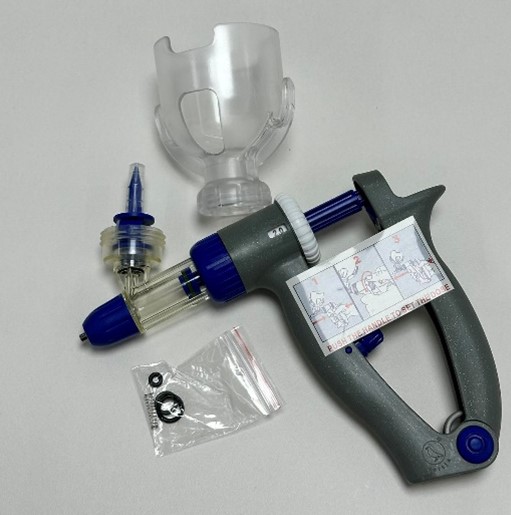 Dosing syringe, bottle attachment
 Latex gloves (long cuff with roller), (color blue, pack of 50 pieces)
 Plastic syringe 150ml
 Sticky fly trap, 25cm*10m
 Foam cup for udder treatment
 Stainless steel obstetric aid
- Veterinary Needles Reusable
- Disinfectant with washing effect (10kg)
- Knife Hoofed
- Drencher for feeding calves with a flexible probe
- Milk filter for fine purification of milk for 2, 5, 10 tons
- Bag filter 32
- Cassettes for DCC somatic cell counter
- Electric Cattle Driver
- Foaming cup for udder treatment
Microbiology
 Yeast & Mold Count Plate (cat. no. LR1003) MicroFast® Yeast & Mold Count Plate
 Substrate for determining the number of staphylococci (Catalog number LR1005) MicroFast® Staphyloccocus aureus Count Plate
 MicroFast® Enterobacteriaceae Count Plate (cat. no. LR1011)
 Substrate for accelerated determination of QMAFAnM, (catalog number LR1321)
 MicroFast® Environmental Listeria Count Plate
 MicroFast® Lactic Acid Bacteria Count Plate (Part Number LR1312)
- Coliform Count Plate (catalog number LR1002) MicroFast® Coliform Count Plate
- MicroFast® Bacillus cereus Count Plate (catalog number LR1010)
- Substrate for determining QMAFAnM (catalog number LR1001)
- MicroFast® Staphyloccocus aureus Confirmation Plate Staph.aureus Confirmation Plate (cat. no. LR1005Q)
- MicroFast® Salmonella Count Plate (SAL), for the determination of Salmonella in food and environmental samples (Catalog #LR1006)
- MicroFast® Coliform & E.coli Count Plate
- MicroFast® Microbiological Substrates
Our News
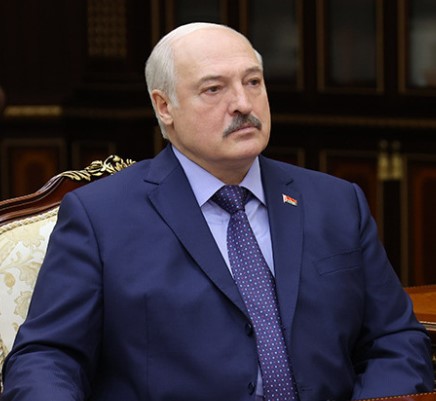 Lukashenko heard a report on the Mogilev region. The main topic was the situation in agriculture. 05.02.2026
 What major agricultural projects are being implemented in the Mogilev region?05.02.2026
 An expert identified possible areas of cooperation between Belarus and Southeast Asian countries.05.02.2026
- Surcharges on prices for agricultural products purchased from the population have been established in 2026.04.02.2026
- Lukashenko: We won't carry the Vitebsk region on our shoulders.04.02.2026
- Baby Zabava. The Grodno Zoo welcomed its first addition in 2026. 03.02.2026
- Lukashenko: We won't carry the Vitebsk region on our shoulders. 03.02.2026
- Lukashenko on the case: it is a moral monstrosity if we cannot protect our smaller brothers in this weather03.02.2026
- Grain cultivation and livestock farming. Bogdanov discussed prospects for cooperation in the agricultural sector between Belarus and Kazakhstan.01.02.2026
- Выпойка молоком 3-4 раза, больше теплой воды. Как в Брестской области наладили уход за телятами в морозы01.02.2026
- From Tractor Driver to Businessman: The Story of a Belarusian Who Built a Farm from Scratch and a Church in a Village 30.01.2026
- A warehouse in the Minsk region improperly stored powdered milk: a court ordered compensation of Br2 million.30.01.2026
- Increased processing volumes, new jobs: production capacity is being expanded in the Shklov district.30.01.2026
- The story of a Belarusian who built a sturdy farm from scratch and revived his native village.29.01.2026
- Belarusian producers plan to enter the Qatari meat market.29.01.2026
- Belarus is interested in expanding dairy product supplies to Indonesia.28.01.2026
Articles
 The court refused to seize the property of agricultural enterprises with debts to the AIC fund.05.02.2026
 Demand for semi-finished products will decline in 2025: dumpling sales will fall by 8%.05.02.2026
 Rosselkhoznadzor inspected more than 2,000 tons of livestock products shipped to Yakutia.05.02.2026
- Rosselkhoznadzor monitored the export of more than 57,000 tons of veterinary goods from St. Petersburg.05.02.2026
- К госветнадзору Бурятии поступило 860 тонн продукции при отправке в Монголию05.02.2026
- The inflation rate in Russia at the beginning of February 2026 reached 6.5%.05.02.2026
- Innovations in broiler feeding: savings and bird health05.02.2026
- New financial disputes between Aventa and Tokarevskaya Poultry Farm: a second lawsuit for 70 million rubles05.02.2026
- Mexican and Canadian beef is losing ground in the US market.05.02.2026
- Spain strengthens institutional coordination to improve animal welfare management05.02.2026
- Blaming cows was a mistake: meadows absorb more gases than cattle emit.05.02.2026
- EU and Mercosur: Experts warn of shortage of EU veterinarians to control imports and associated health risks05.02.2026
- Rosselkhoznadzor stopped the import of more than 50 kg of dangerous animal products at Ufa Airport.04.02.2026
- Rosselkhoznadzor specialists have identified quality violations in meat products.04.02.2026
- The first batch of canned meat from the Kurgan region was sent to Azerbaijan under the supervision of Rosselkhoznadzor.04.02.2026
- A poultry farm in Yugra was fined for violating veterinary regulations.04.02.2026
Economics
 10 reasons to take a deposit04.05.2025
 Lavrov and the Swiss Foreign Minister will discuss the "deep crisis" of the OSCE.05.02.2026
 Kirilenko spoke about the problems facing Russian teams after sanctions were lifted.05.02.2026
- Lavrov believes that US statements about cooperation are inconsistent with sanctions05.02.2026
- The Russian ambassador warned of a reaction to the Faroe Islands' change in stance on sanctions.05.02.2026
- Five suspects in supplying weapons to Russia's defense industry have been arrested in Germany.03.02.2026
- Bloomberg узнал о планах ЕС по санкциям против российских платины и меди03.02.2026
- The EU confirmed discussions on banning entry for participants in the military operation.31.01.2026
- Bloomberg has revealed a new possible EU sanctions plan against Russia.31.01.2026
- The EU has blacklisted Russia for money laundering.30.01.2026
- The EU has imposed new sanctions on Iran in response to the suppression of protests.30.01.2026
- The European Union has designated the IRGC a terrorist organization.30.01.2026
- The US has eased sanctions and allowed oil companies to operate in Venezuela.30.01.2026
- Titov allowed for the return of foreign companies that "miss Moscow"30.01.2026
- Following the deal with Carlyle, LUKOIL continued negotiations with other companies.29.01.2026
- Macron announced that France is preparing new sanctions against Russia.29.01.2026
Antibiotics in Milk
 Antibiotics in milk: causes and methods of detection27.01.2026
 Pharmaceutical companies see a threat to EU security due to bacteria in Ukraine13.11.2025
 Prosecutors have issued warnings to more than 5,000 companies due to rising prices.09.09.2025
- Two dairy companies from Azerbaijan refused to work with Russia.09.07.2025
- Lukashenko told how Putin treated him to goat's milk.08.07.2025
- Lukashenko demanded that Belarus be cleared of littered logs by autumn.08.07.2025
- Lukashenko stated that it is not beneficial for Belarus to “fight madly,” but to feed17.06.2025
- В Британии предупредили о риске для миллионов из-за супербактерий06.01.2025
- Moscow court sides with Indian company in dispute with Health Ministry26.11.2024
- Scientists estimate increase in mortality due to drug-resistant bacteria29.10.2024
- Antibiotics for livestock and pesticides found in poisoned family's home29.10.2024
- Izvestia reported on the shortage of widely used antibiotics in Russia29.10.2024
- The Ministry of Health called data on the shortage of antibiotics unreliable29.10.2024
- Scientists warn of threat of return to pre-penicillin times29.10.2024
- The Ministry of Health explained how attitudes towards antibiotics changed during the pandemic07.05.2024
- WHO explains the risks of taking antibiotics "just in case"06.05.2024
Antibiotics in Meat
 Antibiotics in pollock25.02.2024
 Antibiotics in herring: myth or reality?12.02.2024
 Antibiotics in perch10.02.2024
- Antibiotics in sprat: facts and myths10.02.2024
- Antibiotics in tuna: an important health and environmental issue09.02.2024
- Antibiotics in meat30.01.2024
- Antibiotics in chebureks: myth or reality?29.01.2024
- Antibiotics in cutlets: problem or myth?18.01.2024
- Antibiotics in Chicken: Where Are the Highest Concentrations?17.01.2024
- Antibiotics in carp17.01.2024
- Where Are More Antibiotics in Chicken: Reality and Cautions16.01.2024
- Antibiotics in Salmon: Safety and Product Quality16.01.2024
- Antibiotics in Turkey15.01.2024
- Antibiotics in Sal: Reality and Safety Issues15.01.2024
- Antibiotics in Fried Dumplings: Facts, Risks and How to Stay Safe15.01.2024
- Antibiotics in sausages14.01.2024
10 Interesting Facts
 Antibiotics in Coffee: Myths and Reality03.05.2025
 Forged forks: 10 interesting facts16.05.2024
 Swimming pool and weight loss: 10 interesting facts10.03.2024
- Tests for antibiotics in milk - 10 interesting facts07.03.2024
- Cleaning the kettle from scale, 10 interesting facts...06.03.2024
- Antibiotics in beer: 10 interesting facts04.03.2024
- Wild boar, how to survive...01.03.2024
- Purulent mastitis, 10 interesting facts27.02.2024
- Lemon and alcohol: 10 interesting facts25.02.2024
- Mint - 10 interesting facts25.02.2024
- Wild boar, 10 interesting facts20.02.2024
- Wild boar and domestic pig: comparison and advantages20.02.2024
- Cottage cheese, 10 interesting facts20.02.2024
- 10 Interesting Facts About Milk19.02.2024
- How to Clean a Toilet - 10 Interesting Facts (Acid vs Alkaline)18.02.2024
- Goat's milk: 10 interesting facts16.02.2024
Diseases of cattle
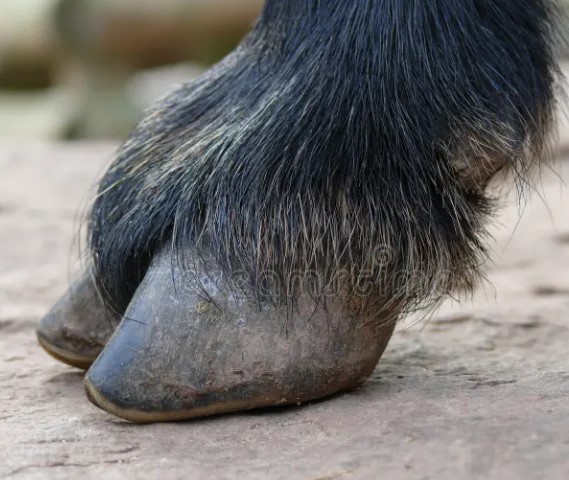 Dicroceliosis in cattle09.03.2024
 Demodicosis in cattle01.03.2024
 Purulent mastitis of cattle27.02.2024
- Hypodermatosis in cattle20.02.2024
- Hemonchoz in cattle11.02.2024
- Bursitis in cattle30.01.2024
- Brucellosis in cattle29.01.2024
- Bronchopneumonia in calves27.01.2024
- Bronchitis in cattle26.01.2024
- Mortellaro disease in cattle24.01.2024
- White muscle disease in cattle23.01.2024
- Babesiosis in cattle22.01.2024
- Cattle acidosis20.01.2024
- Arthritis in cattle20.01.2024
- Anaplasmosis in cattle18.01.2024
Misc
- Antibiotics for coughs: when they are needed and when they are not11.02.2024
 "Слетают все маски человека!" // Банщик про техники парения, поющих мастерах и чудо-массажах05.02.2026
 The Master of Steam: The Story of a Businessman Who Left a Successful Printing Business to Become a Spa Master 05.02.2026
- Investigators have identified the locations of the most frequent traffic accidents in the Brest region.05.02.2026
- Ministry of Emergency Situations: 129 people have died in fires since the beginning of the year.04.02.2026
- WHO: Almost 40% of cancer cases can be prevented 04.02.2026
- The number of fires in Belarus has increased. Experts have explained the causes.04.02.2026
- "Neither tail nor scales." We went winter fishing and learned the intricacies of ice fishing.04.02.2026
- Belarus has extended the ban on labeling imported alcoholic beverages in unfriendly countries.03.02.2026
- В Гомеле благодаря неравнодушным гражданам остановили нетрезвых таксиста и бесправника 03.02.2026
- From February 11, navigation seals will be used to track rail traffic in the EAEU.03.02.2026
- The State Traffic Inspectorate reminded drivers of road safety rules during severe frosts.31.01.2026
- A woman driving under the influence of alcohol with over 2 ppm was detained in Minsk.30.01.2026
- Наведение порядка в АПК, пожарная безопасность. Какие задачи поставлены перед прокурорами Витебской области 30.01.2026
- A car crashed into a tree on Independence Avenue in Minsk, injuring two people.30.01.2026
- Топ экспортируемых товаров назвали в "Белгоспищепроме"29.01.2026
Cloud of Tags
ДиректорПольшаСудGoogleМинздравОрганизмСвининаЕСТатарстанКризисКанадаПраздникРоссельхознадзорПензенской областиCOVID-19ИсследованияМужчиныУборкаОнлайнМинсельхозТАССБройлерСырыИталияFacebookМинскЕврокомиссияАнтибиотиковВирусУзбекистанПроизводство мясаКлиматВьетнамГерманияБизнесНефтьВ китаеЛекарстваПрокуратураЗеленскийДетиОбщепитСельское хозяйствоЦеныПродовольствиеБразилияНовостиминистр сельского хозяйстваКофеФранцияДоходыRussiaВакцинацияЭкономикаКредитСанкт-ПетербургИнвестицииВеликобританииСШАЗависимостьМаслоReutersЯпонияВластиМЧСГовядинуЕгипетРоспотребнадзорВеликобританияДеньгиПроизводство молокаЗапретМясо птицыИммунитетМясокомбинатДональд ТрампРоссияАлкогольного опьяненияИнфляцияСанкцииУченыеДолларЦентробанкАзербайджанКазахстанСмертьТребованияКарантинКрупный рогатый скотАвстралияВакцинацииАЧСГовядинаПравительствоФруктыИмпортАлкогольУкраинеЖивотноеАлександр ЛукашенкоУкраинаПродукцияСпутник vЛечениеКоронавирусКитайСубсидииКартофельБеларусьВыручкаФермерБолезньAppleМоскваДжо БайденЗдоровьеМясоЗаконопроектBloombergРоссиянеВостокЯйца2024ПтицефабрикаКрупного рогатого скотаЭкспортТурцияПродукты питанияКолбасыНедвижимостьПоддержкаПитаниеКРСМолокоДмитрий песковTelegramРаботаГазпромПодмосковьеВладимир ПутинСотрудники ГАИРодителиЕАЭСРосстатОтпускУрожаяПесковМинфинРубльЗакон