
"We started with 25 hectares of sugar beet, today we are sowing 400." What is the SPK for?
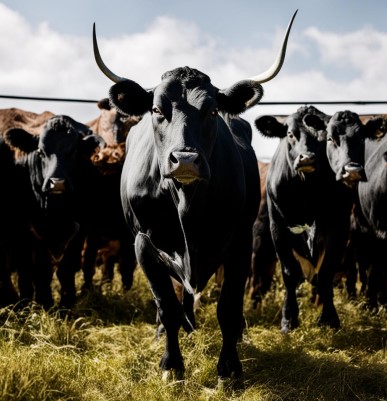
Photo is illustrative in nature. From open sources.


News of the topic "Svityazyanka-2003" was included in the Republican Board of Honor six times
SPK "Svityazyanka-2003" was included in the Republican Board of Honor six times. The farm uses the most modern technologies and does not intend to stop at the achieved results. What is the life of the production cooperative today?
All plans will be fulfilled
- All plans that we set for the farm and the team will be fulfilled this year, - the chairman Alexander Metelitsa is confident. - Thus, the gross grain harvest is 800 tons more than last year, although the harvesting areas remained the same. Corn was threshed amounted to 1800 tons, all of it was harvested in the optimal time.
Rapeseed showed a yield of 54 c/ha. The obtained result allowed to provide the own seed processing shop with work for a year. Rapeseed is a profitable crop, the farm believes, it brings in 200 thousand rubles a month, in addition, the prices for its oil have recently increased.
- When you see how rapeseed cake is produced, there are fewer questions about the quality, - the director is sure. - In addition to rapeseed and grains, sugar beet showed a good result of 800 c/ha this year . The crop is also profitable. We sow it 50% using the Conviso Smart system and 50% using traditional technology. The seeds are more expensive, but if the traditional scheme requires 3-4 herbicide treatments, we use two. So penny by penny - and at the end of the year there is savings.
In 2002, they started here with 25 hectares of sugar beet, today they sow 400 hectares and, having harvested their crop, they go to help their neighbors. In the SPK "Svityazyanka-2003" there are also 944 hectares of perennial grasses on arable land, of which 550 hectares are under alfalfa, the rest is clover and clover-cereal mixtures.
- The situation with feed is encouraging, - admits Alexander Metelitsa. - Hay has been prepared at 107% of the plan, haylage at 112%, silage at 104%. There are 35.78 feed units per head, but the preparation is still ongoing. Now the fifth grass cutting is underway, and the plan is to get 36 units per head, which is 4 units more than last year.
The farm already has a reserve for the future harvest - winter crops were sown on time, organic matter was added, and autumn soil preparation was carried out.
- In the last few years, there has been progress in winter crops, - says the chairman of the cooperative. - The area of their sowing was increased due to recurring droughts. Having analyzed the situation, we came to the conclusion that winter crops have a higher yield. Thus, in 2023, spring crops were sown on time, but the weather was such that the tillering phase did not even begin in some fields. And winter crops have been overwintering well lately - there are no severe frosts. Plus they provide early straw for bedding and cattle feed. Last year, 1,500 hectares were sown with winter crops.
Today the cooperative has 6,200 hectares of agricultural land, of which 4,900 hectares are arable land. There is all the necessary equipment for cultivation and spraying, seeders, powerful combines. There is enough work We go to the fields with Alexander Metelitsa. By the time we visit the SPK "Svityazyanka-2003", the main battle for the harvest has already died down, but there is still plenty of work. Viktor Chubrik, who has been working on sugar beet harvesters for more than 10 years, including the last nine seasons on a Grimme, finishes harvesting sweet root crops. - I think there is no better machine than this, before this I had a Franz Kleine SF 10. If you compare - now I have a "Volga", and before that I had a "Zaporozhets", - the machine operator smiles. - I am happy with the work. The salary depends on the output, sometimes 3-3.5 thousand, but we also work 12-14 hours a day. I am harvesting sugar beets and pressing straw into the harvesting press. In another field, Nikolai Karpeichik is applying potassium chloride on a Belarus-1523 tractor. - I fertilized about 65 hectares in a day. I have been with the cooperative for 20 years. I live nearby, the tractor is reliable, we installed an air conditioner - very convenient, especially this year, when the heat reached +35. Lunches and dinners are brought to the field, - the man says. Sergei Sirotin stops next to us on a huge Rostselmash tractor with a disc harrow. - This year I worked both in sowing and harvesting. We threshed 2,360 tons of grain with rapeseed. We were awarded both at the farm and at Dozhynki, we were given bonuses. If you work hard, you will earn money, - the machine operator believes. - I don’t have any special secrets. Probably, my experience working on one combine and my responsible attitude to what I do have an effect. After talking to the people, we head back to the office. - We update the equipment regularly, it is more difficult with the machine operators. Experience comes with age. In order to master a new tractor, where navigation systems and steering devices are installed, a technical education is necessary. But if a person has a desire to work, we will definitely teach him, - the chairman of the SPK "Svityazyanka-2003" is sure. - Young people today are drawn to the city - it is easier at the plant. Work five days - then two days off. Therefore, we also meet the machine operators halfway: during sowing and forage harvesting, everyone had a stable day off once a week. When we switch to winter mode, there will be two. The average number of employees in the SPK "Svityazyanka-2003" is 320 people. The average salary in the farm for 9 months was 2157 rubles. - We are always open to young specialists. Recently, three guys from college asked for an internship, and then for a job, - says Alexander Metelitsa. - We took them. We create all conditions, provide housing. Work
We work with young people on an ongoing basis. We pay stipends to those studying on a targeted referral from the farm, both in higher and secondary specialized institutions. At the moment, the cooperative is building a 12-apartment building, which will provide housing, including for young specialists. There are also newlyweds on the farm - they have had two weddings in the last month alone.
- I think that these families will continue to work for us, - says Alexander Metelitsa. - We have all the incentives for this.
Up to 80% of profit
The results in animal husbandry this year are also good. The average daily gain for 9 months was 876 grams. The milk yield per cow last year was 11,689 kg, this year the bar is set at 12 thousand. In nine months, 9,195 kg have already been milked, so the plan is quite feasible. The average daily milk yield per cow is 31.4 liters, compared to last year an increase of 300 grams.
Today, the farm has over 6,000 heads of cattle , including 1,950 in the dairy herd. The cows are kept loose, on the same type of feed - silage, haylage, straw, concentrates. And at the Litarovshchina farm, four robots are used for milking. Each has about 65 heads - everything is computerized.
- The livestock is gradually growing, - notes the chairman of the cooperative. - There is already not enough space, we decided to expand. The plans include building two farms to increase the dairy herd by 250 heads. The investments are justified - the livestock industry brings in about 80% of the revenue. In fact, we live from the sale of milk and meat.
So far, the farm has two dairy complexes - Raitsa-1 (600 heads) and Raitsa-2 (777), as well as four farms. On the basis of one of them, two more cowsheds and a milking block are being built, which will allow for a closed cycle of keeping - from young animals to heifers and cows.
The average number of employees in the SPK "Svityazyanka-2003" is 320 people. The average salary in the farm for the nine months was 2157 rubles.
Alexey GORBUNOV, photo - author
SPK "Svityazyanka-2003" was included in the Republican Board of Honor six times. The farm uses the most modern technologies and does not intend to stop at the achieved results. What is the life of the production cooperative today?
All plans will be fulfilled
- All plans that we set for the farm and the team will be fulfilled this year, - the chairman Alexander Metelitsa is confident. - Thus, the gross grain harvest is 800 tons more than last year, although the harvesting areas remained the same. Corn was threshed amounted to 1800 tons, all of it was harvested in the optimal time.
Rapeseed showed a yield of 54 c/ha. The obtained result allowed to provide the own seed processing shop with work for a year. Rapeseed is a profitable crop, the farm believes, it brings in 200 thousand rubles a month, in addition, the prices for its oil have recently increased.
- When you see how rapeseed cake is produced, there are fewer questions about the quality, - the director is sure. - In addition to rapeseed and grains, sugar beet showed a good result of 800 c/ha this year . The crop is also profitable. We sow it 50% using the Conviso Smart system and 50% using traditional technology. The seeds are more expensive, but if the traditional scheme requires 3-4 herbicide treatments, we use two. So penny by penny - and at the end of the year there is savings.
In 2002, they started here with 25 hectares of sugar beet, today they sow 400 hectares and, having harvested their crop, they go to help their neighbors. In the SPK "Svityazyanka-2003" there are also 944 hectares of perennial grasses on arable land, of which 550 hectares are under alfalfa, the rest is clover and clover-cereal mixtures.
- The situation with feed is encouraging, - admits Alexander Metelitsa. - Hay has been prepared at 107% of the plan, haylage at 112%, silage at 104%. There are 35.78 feed units per head, but the preparation is still ongoing. Now the fifth grass cutting is underway, and the plan is to get 36 units per head, which is 4 units more than last year.
The farm already has a reserve for the future harvest - winter crops were sown on time, organic matter was added, and autumn soil preparation was carried out.
- In the last few years, there has been progress in winter crops, - says the chairman of the cooperative. - The area of their sowing was increased due to recurring droughts. Having analyzed the situation, we came to the conclusion that winter crops have a higher yield. Thus, in 2023, spring crops were sown on time, but the weather was such that the tillering phase did not even begin in some fields. And winter crops have been overwintering well lately - there are no severe frosts. Plus they provide early straw for bedding and cattle feed. Last year, 1,500 hectares were sown with winter crops.
Today the cooperative has 6,200 hectares of agricultural land, of which 4,900 hectares are arable land. There is all the necessary equipment for cultivation and spraying, seeders, powerful combines. There is enough work We go to the fields with Alexander Metelitsa. By the time we visit the SPK "Svityazyanka-2003", the main battle for the harvest has already died down, but there is still plenty of work. Viktor Chubrik, who has been working on sugar beet harvesters for more than 10 years, including the last nine seasons on a Grimme, finishes harvesting sweet root crops. - I think there is no better machine than this, before this I had a Franz Kleine SF 10. If you compare - now I have a "Volga", and before that I had a "Zaporozhets", - the machine operator smiles. - I am happy with the work. The salary depends on the output, sometimes 3-3.5 thousand, but we also work 12-14 hours a day. I am harvesting sugar beets and pressing straw into the harvesting press. In another field, Nikolai Karpeichik is applying potassium chloride on a Belarus-1523 tractor. - I fertilized about 65 hectares in a day. I have been with the cooperative for 20 years. I live nearby, the tractor is reliable, we installed an air conditioner - very convenient, especially this year, when the heat reached +35. Lunches and dinners are brought to the field, - the man says. Sergei Sirotin stops next to us on a huge Rostselmash tractor with a disc harrow. - This year I worked both in sowing and harvesting. We threshed 2,360 tons of grain with rapeseed. We were awarded both at the farm and at Dozhynki, we were given bonuses. If you work hard, you will earn money, - the machine operator believes. - I don’t have any special secrets. Probably, my experience working on one combine and my responsible attitude to what I do have an effect. After talking to the people, we head back to the office. - We update the equipment regularly, it is more difficult with the machine operators. Experience comes with age. In order to master a new tractor, where navigation systems and steering devices are installed, a technical education is necessary. But if a person has a desire to work, we will definitely teach him, - the chairman of the SPK "Svityazyanka-2003" is sure. - Young people today are drawn to the city - it is easier at the plant. Work five days - then two days off. Therefore, we also meet the machine operators halfway: during sowing and forage harvesting, everyone had a stable day off once a week. When we switch to winter mode, there will be two. The average number of employees in the SPK "Svityazyanka-2003" is 320 people. The average salary in the farm for 9 months was 2157 rubles. - We are always open to young specialists. Recently, three guys from college asked for an internship, and then for a job, - says Alexander Metelitsa. - We took them. We create all conditions, provide housing. Work
We work with young people on an ongoing basis. We pay stipends to those studying on a targeted referral from the farm, both in higher and secondary specialized institutions. At the moment, the cooperative is building a 12-apartment building, which will provide housing, including for young specialists. There are also newlyweds on the farm - they have had two weddings in the last month alone.
- I think that these families will continue to work for us, - says Alexander Metelitsa. - We have all the incentives for this.
Up to 80% of profit
The results in animal husbandry this year are also good. The average daily gain for 9 months was 876 grams. The milk yield per cow last year was 11,689 kg, this year the bar is set at 12 thousand. In nine months, 9,195 kg have already been milked, so the plan is quite feasible. The average daily milk yield per cow is 31.4 liters, compared to last year an increase of 300 grams.
Today, the farm has over 6,000 heads of cattle , including 1,950 in the dairy herd. The cows are kept loose, on the same type of feed - silage, haylage, straw, concentrates. And at the Litarovshchina farm, four robots are used for milking. Each has about 65 heads - everything is computerized.
- The livestock is gradually growing, - notes the chairman of the cooperative. - There is already not enough space, we decided to expand. The plans include building two farms to increase the dairy herd by 250 heads. The investments are justified - the livestock industry brings in about 80% of the revenue. In fact, we live from the sale of milk and meat.
So far, the farm has two dairy complexes - Raitsa-1 (600 heads) and Raitsa-2 (777), as well as four farms. On the basis of one of them, two more cowsheds and a milking block are being built, which will allow for a closed cycle of keeping - from young animals to heifers and cows.
The average number of employees in the SPK "Svityazyanka-2003" is 320 people. The average salary in the farm for the nine months was 2157 rubles.
Alexey GORBUNOV, photo - author
Read together with it:
- The inflation rate in Russia at the beginning of February 2026 reached 6.5%.In particular, prices for fruit and vegetable products increased by 2.1%, with a significant increase for cucumbers (6.3%) and carrots (1.8%). Vodka also increased by 1%, while beef , eggs , and fish each increased by 0.4%. Meanwhile, the cost of pork and butter decreased slightly. In the service sector, there have been significant price increases for vacation trips to the UAE and Russia's Black S...
- Blaming cows was a mistake: meadows absorb more gases than cattle emit.Cows have become a symbol of controversy, as debates about their environmental impact, particularly regarding methane emissions, have generated headlines, political decisions, and criticism. But while many study the animals themselves, a group of researchers decided to examine the soil. At the University of Nebraska-Lincoln, a team of researchers led by Professor Galen Erickson conducted a study t...
- Lukashenko heard a report on the Mogilev region. The main topic was the situation in agriculture.February 4, Minsk . On February 4, Belarusian President Alexander Lukashenko heard a report from Anatoly Isachenko, Chairman of the Mogilev Regional Executive Committee, BelTA reports. The report focused on the state of affairs in the region, following up on Tuesday's report in the Vitebsk Region. As the head of state noted the day before, many of the identified problematic issues are, to varying ...
- What major agricultural projects are being implemented in the Mogilev region?February 4, Mogilev. Fertilizer storage facilities are being restored, and mechanical engineering teams are expanding their operations. Chairman of the Mogilev Regional Executive Committee, Anatoly Isachenko, briefed journalists on the state of the region's agro-industrial complex, BelTA reports. Anatoly Isachenko noted that during his report to the head of state, the construction of a feed mill a...
- Robotic farms have opened in Udmurtia.The Progress agricultural production cooperative officially launched two modern robotic farms, each designed for 140 cows, and a facility for 300 calves. Vasily Muklin, Minister of Agriculture and Food of Udmurtia, attended the opening ceremony . "Progress is a leading enterprise in the region, steadily improving its performance. Today, we see a logical continuation of this trend. Currently, four ...
- In 2025, a record 3.3 thousand tons of venison were harvested in Yamal.This is the highest figure in recent years. The Yamal District remains the leader, with nearly 1,200 tons. The Tazovsky District significantly increased its output, harvesting 1,100 tons. This was made possible by the launch of a new slaughterhouse. Nearly 1,200 private reindeer herders participated in the 2......
- A farm in the Oryol region was fined for violating veterinary regulations.The inspection revealed that cattle had been removed from the farm without the necessary electronic veterinary documentation certifying the animals' health for various diseases. At the time of the inspection, the farm housed over 250 head of cattle . During the inspection, two emaciated cows were discovered, kept in conditions that did not meet veterinary standards. Violations in the handling of b...
- A 6.2% decline in the cattle population in the Altai region, while milk production increased.The decrease affected all major types of farm animals: the number of cows decreased by 7.3% to 203.7 thousand, pigs by 3.3% to 269.6 thousand, and sheep and goats by 9.2% to 120.2 thousand. Despite the overall decline in livestock numbers, the region's agricultural production figures showed positive trends. In 2......
- The European Commission has updated its measures to combat bovine dermatosis following an outbreak in Girona.Implementing Decision 2026/230, published this Friday in the Official Journal of the European Union (OJEU), explains that Spain, in response to the new outbreak of the disease, has established the appropriate protection and surveillance zones in Catalonia, as well as the measures to be applied, which are detailed in the annex to this regulation. The size and duration of the vaccination zones are a...
- Surcharges on prices for agricultural products purchased from the population have been established in 2026.February 4, Minsk . Resolution No. 8 of the Ministry of Agriculture and Food dated January 27, 2026, established markups to the purchase prices of agricultural products purchased from the population in 2026. BELTA reports this with reference to The size of the markups (in Belarusian rubles) per 1 kg of product will be: ......
Test for Atnibiotics in Milk
 Express tests for determining the residual amount of β-lactams, tetracyclines, chloramphenicol, streptomycins in milk, whey
 PIONEER MEIZHENG BIO-TECH (5 in1) JC0871/ Rapid tests for the determination of the residual amount of β-lactams, tetracyclines, chloramphenicol, streptomycins, ceftiofur in milk, whey.
 Express-tests PIONER 5 in1 for the determination of thiamphenicol, meloxicam, colistine, trimethoprim, sulfonamides
 TEST KIT for determination of inhibitory agents PIONEERPRODUKT® DASH-TEST, WC0040
 Rapid tests for determining the residual amount of tetracyclines in meat
 Rapid tests for fluoroquinolone, erythromycin, lincomycin, tillosin and tilmycosin residues in milk, whey
- Rapid 4 in 1 tests for determining the residual amount of neomycin, kanamycin, gentamicin, spectinomycin in milk, whey
- PIONEER MEIZHENG BIO-TECH (5 in1) JC0586 - Antibiotic tests 5 in 1 / Rapid tests for determining the residual amount of β-lactams, tetracyclines and cephalexin in milk, whey
- Rapid tests for determining the residual amount of chloramphenicol in meat
- PIONEER MEIZHENG BIO-TECH (5 in1) JC1165 / Rapid tests for the determination of the residual amount of halofuginone, flavomycin, novobiocin, flunixin, dexamethasone / prednisolone in milk, whey
Laboratory equipment
 Light colored glass bottle without a faucet
 Fast IR decomposition systems - Turbotherm
 Solutions for washing of analyzers EkoWeek, EkoDay (Bulgaria)
 BA-CL- X.X ST TR titration table
 Stopwatch mechanical stopwatch SOPpr
 Low wall table BA-CL-X.X SPn TR
- Thermometer TS-7AMK for refrigerators and freezers (-35...+50 °C)
- Indicator strips "NS-Chlorine", 25 pcs.
- Infrared thermometer with laser pointer Testo 830-T1, Testo 830-T2
- AE aquadistillers (Livam, Russia)
- Indicator strips "Chloride-500 mg", 100 pcs
- Bürkle BeefSteaker
- Magnetic stirrer with heating function WH240-HT
- Bürkle IceSampler
- Tagler TSLM 1-8 milk centrifuge (without heating) (Russia)
Packing
 Salad dressings
 Siliconized paper for hygiene products
 Laminating paper KH PACK®
 GableTop aseptic packaging
 Paper for micro-ribbed
 KH PACK® bag making paper
- Plastic packaging for cakes and pastries
- Korreks for desserts
- Paper sacks
- Carton
- Parchment
- Backed Foil
- KH PACK® Straight Packing Paper
- Laminating paper KH PACK®
- Grease and barrier paper KH PACK®
Additional Products
 Petri dish 90 mm
 Ice cream sticks Standard 114
 Wafer cup and cone
 Auxiliaries for sugar products
 General purpose environment of SPC "Biocompass-S" (Uglich)
 Ice cream sticks (round)
- Ice cream sticks (with logo)
- J-Bottom technology
- Pepsin whey pork
- Ice cream sticks Magnum (curly)
- Ice cream sticks Standard 93
Consumables
 Hoof bath
 Milk filters - primary cleaning
 Spare pacifier
 Napkin reusable for wiping the udder
 Pencils for marking animals
 Milk bottle
- Udder cleaner after milking (20 l)
- Dosing syringe, hose attachment
- Non-returnable cup for udder treatment
- Plastic bracelet
- Forged pitchforks
- Rubber rings for castration
- Drencher for feeding calves with a flexible probe
- Cassettes for DCC somatic cell counter
- Drencher for feeding calves with a rigid probe
Microbiology
 MicroFast® Lactic Acid Bacteria Count Plate (Part Number LR1312)
 Coliform Count Plate (catalog number LR1002) MicroFast® Coliform Count Plate
 Substrate for determining QMAFAnM (catalog number LR1001)
 Substrate for determining the number of staphylococci (Catalog number LR1005) MicroFast® Staphyloccocus aureus Count Plate
 MicroFast® Salmonella Count Plate (SAL), for the determination of Salmonella in food and environmental samples (Catalog #LR1006)
 Substrate for accelerated determination of QMAFAnM, (catalog number LR1321)
- MicroFast® Environmental Listeria Count Plate
- Yeast & Mold Count Plate (cat. no. LR1003) MicroFast® Yeast & Mold Count Plate
- MicroFast® Enterobacteriaceae Count Plate (cat. no. LR1011)
- MicroFast® Staphyloccocus aureus Confirmation Plate Staph.aureus Confirmation Plate (cat. no. LR1005Q)
- MicroFast® Coliform & E.coli Count Plate
- MicroFast® Microbiological Substrates
- MicroFast® Bacillus cereus Count Plate (catalog number LR1010)
Our News
 Lukashenko heard a report on the Mogilev region. The main topic was the situation in agriculture. 05.02.2026
 What major agricultural projects are being implemented in the Mogilev region?05.02.2026
 An expert identified possible areas of cooperation between Belarus and Southeast Asian countries.05.02.2026
- Surcharges on prices for agricultural products purchased from the population have been established in 2026.04.02.2026
- Lukashenko: We won't carry the Vitebsk region on our shoulders.04.02.2026
- Baby Zabava. The Grodno Zoo welcomed its first addition in 2026. 03.02.2026
- Lukashenko: We won't carry the Vitebsk region on our shoulders. 03.02.2026
- Lukashenko on the case: it is a moral monstrosity if we cannot protect our smaller brothers in this weather03.02.2026
- Grain cultivation and livestock farming. Bogdanov discussed prospects for cooperation in the agricultural sector between Belarus and Kazakhstan.01.02.2026
- Выпойка молоком 3-4 раза, больше теплой воды. Как в Брестской области наладили уход за телятами в морозы01.02.2026
- From Tractor Driver to Businessman: The Story of a Belarusian Who Built a Farm from Scratch and a Church in a Village 30.01.2026
- A warehouse in the Minsk region improperly stored powdered milk: a court ordered compensation of Br2 million.30.01.2026
- Increased processing volumes, new jobs: production capacity is being expanded in the Shklov district.30.01.2026
- The story of a Belarusian who built a sturdy farm from scratch and revived his native village.29.01.2026
- Belarusian producers plan to enter the Qatari meat market.29.01.2026
- Belarus is interested in expanding dairy product supplies to Indonesia.28.01.2026
Articles
 The court refused to seize the property of agricultural enterprises with debts to the AIC fund.05.02.2026
 Demand for semi-finished products will decline in 2025: dumpling sales will fall by 8%.05.02.2026
 Rosselkhoznadzor inspected more than 2,000 tons of livestock products shipped to Yakutia.05.02.2026
- Rosselkhoznadzor monitored the export of more than 57,000 tons of veterinary goods from St. Petersburg.05.02.2026
- К госветнадзору Бурятии поступило 860 тонн продукции при отправке в Монголию05.02.2026
- The inflation rate in Russia at the beginning of February 2026 reached 6.5%.05.02.2026
- Innovations in broiler feeding: savings and bird health05.02.2026
- New financial disputes between Aventa and Tokarevskaya Poultry Farm: a second lawsuit for 70 million rubles05.02.2026
- Mexican and Canadian beef is losing ground in the US market.05.02.2026
- Spain strengthens institutional coordination to improve animal welfare management05.02.2026
- Blaming cows was a mistake: meadows absorb more gases than cattle emit.05.02.2026
- EU and Mercosur: Experts warn of shortage of EU veterinarians to control imports and associated health risks05.02.2026
- Rosselkhoznadzor stopped the import of more than 50 kg of dangerous animal products at Ufa Airport.04.02.2026
- Rosselkhoznadzor specialists have identified quality violations in meat products.04.02.2026
- The first batch of canned meat from the Kurgan region was sent to Azerbaijan under the supervision of Rosselkhoznadzor.04.02.2026
- A poultry farm in Yugra was fined for violating veterinary regulations.04.02.2026
Economics
 10 reasons to take a deposit04.05.2025
 Lavrov and the Swiss Foreign Minister will discuss the "deep crisis" of the OSCE.05.02.2026
 Kirilenko spoke about the problems facing Russian teams after sanctions were lifted.05.02.2026
- Lavrov believes that US statements about cooperation are inconsistent with sanctions05.02.2026
- The Russian ambassador warned of a reaction to the Faroe Islands' change in stance on sanctions.05.02.2026
- Five suspects in supplying weapons to Russia's defense industry have been arrested in Germany.03.02.2026
- Bloomberg узнал о планах ЕС по санкциям против российских платины и меди03.02.2026
- The EU confirmed discussions on banning entry for participants in the military operation.31.01.2026
- Bloomberg has revealed a new possible EU sanctions plan against Russia.31.01.2026
- The EU has blacklisted Russia for money laundering.30.01.2026
- The EU has imposed new sanctions on Iran in response to the suppression of protests.30.01.2026
- The European Union has designated the IRGC a terrorist organization.30.01.2026
- The US has eased sanctions and allowed oil companies to operate in Venezuela.30.01.2026
- Titov allowed for the return of foreign companies that "miss Moscow"30.01.2026
- Following the deal with Carlyle, LUKOIL continued negotiations with other companies.29.01.2026
- Macron announced that France is preparing new sanctions against Russia.29.01.2026
Antibiotics in Milk
 Antibiotics in milk: causes and methods of detection27.01.2026
 Pharmaceutical companies see a threat to EU security due to bacteria in Ukraine13.11.2025
 Prosecutors have issued warnings to more than 5,000 companies due to rising prices.09.09.2025
- Two dairy companies from Azerbaijan refused to work with Russia.09.07.2025
- Lukashenko told how Putin treated him to goat's milk.08.07.2025
- Lukashenko demanded that Belarus be cleared of littered logs by autumn.08.07.2025
- Lukashenko stated that it is not beneficial for Belarus to “fight madly,” but to feed17.06.2025
- В Британии предупредили о риске для миллионов из-за супербактерий06.01.2025
- Moscow court sides with Indian company in dispute with Health Ministry26.11.2024
- Scientists estimate increase in mortality due to drug-resistant bacteria29.10.2024
- Antibiotics for livestock and pesticides found in poisoned family's home29.10.2024
- Izvestia reported on the shortage of widely used antibiotics in Russia29.10.2024
- The Ministry of Health called data on the shortage of antibiotics unreliable29.10.2024
- Scientists warn of threat of return to pre-penicillin times29.10.2024
- The Ministry of Health explained how attitudes towards antibiotics changed during the pandemic07.05.2024
- WHO explains the risks of taking antibiotics "just in case"06.05.2024
Antibiotics in Meat
 Antibiotics in pollock25.02.2024
 Antibiotics in herring: myth or reality?12.02.2024
 Antibiotics in perch10.02.2024
- Antibiotics in sprat: facts and myths10.02.2024
- Antibiotics in tuna: an important health and environmental issue09.02.2024
- Antibiotics in meat30.01.2024
- Antibiotics in chebureks: myth or reality?29.01.2024
- Antibiotics in cutlets: problem or myth?18.01.2024
- Antibiotics in Chicken: Where Are the Highest Concentrations?17.01.2024
- Antibiotics in carp17.01.2024
- Where Are More Antibiotics in Chicken: Reality and Cautions16.01.2024
- Antibiotics in Salmon: Safety and Product Quality16.01.2024
- Antibiotics in Turkey15.01.2024
- Antibiotics in Sal: Reality and Safety Issues15.01.2024
- Antibiotics in Fried Dumplings: Facts, Risks and How to Stay Safe15.01.2024
- Antibiotics in sausages14.01.2024
10 Interesting Facts
 Antibiotics in Coffee: Myths and Reality03.05.2025
 Forged forks: 10 interesting facts16.05.2024
 Swimming pool and weight loss: 10 interesting facts10.03.2024
- Tests for antibiotics in milk - 10 interesting facts07.03.2024
- Cleaning the kettle from scale, 10 interesting facts...06.03.2024
- Antibiotics in beer: 10 interesting facts04.03.2024
- Wild boar, how to survive...01.03.2024
- Purulent mastitis, 10 interesting facts27.02.2024
- Lemon and alcohol: 10 interesting facts25.02.2024
- Mint - 10 interesting facts25.02.2024
- Wild boar, 10 interesting facts20.02.2024
- Wild boar and domestic pig: comparison and advantages20.02.2024
- Cottage cheese, 10 interesting facts20.02.2024
- 10 Interesting Facts About Milk19.02.2024
- How to Clean a Toilet - 10 Interesting Facts (Acid vs Alkaline)18.02.2024
- Goat's milk: 10 interesting facts16.02.2024
Diseases of cattle
 Dicroceliosis in cattle09.03.2024
 Demodicosis in cattle01.03.2024
 Purulent mastitis of cattle27.02.2024
- Hypodermatosis in cattle20.02.2024
- Hemonchoz in cattle11.02.2024
- Bursitis in cattle30.01.2024
- Brucellosis in cattle29.01.2024
- Bronchopneumonia in calves27.01.2024
- Bronchitis in cattle26.01.2024
- Mortellaro disease in cattle24.01.2024
- White muscle disease in cattle23.01.2024
- Babesiosis in cattle22.01.2024
- Cattle acidosis20.01.2024
- Arthritis in cattle20.01.2024
- Anaplasmosis in cattle18.01.2024
Misc
- Antibiotics for coughs: when they are needed and when they are not11.02.2024
 "Слетают все маски человека!" // Банщик про техники парения, поющих мастерах и чудо-массажах05.02.2026
 The Master of Steam: The Story of a Businessman Who Left a Successful Printing Business to Become a Spa Master 05.02.2026
- Investigators have identified the locations of the most frequent traffic accidents in the Brest region.05.02.2026
- Ministry of Emergency Situations: 129 people have died in fires since the beginning of the year.04.02.2026
- WHO: Almost 40% of cancer cases can be prevented 04.02.2026
- The number of fires in Belarus has increased. Experts have explained the causes.04.02.2026
- "Neither tail nor scales." We went winter fishing and learned the intricacies of ice fishing.04.02.2026
- Belarus has extended the ban on labeling imported alcoholic beverages in unfriendly countries.03.02.2026
- В Гомеле благодаря неравнодушным гражданам остановили нетрезвых таксиста и бесправника 03.02.2026
- From February 11, navigation seals will be used to track rail traffic in the EAEU.03.02.2026
- The State Traffic Inspectorate reminded drivers of road safety rules during severe frosts.31.01.2026
- A woman driving under the influence of alcohol with over 2 ppm was detained in Minsk.30.01.2026
- Наведение порядка в АПК, пожарная безопасность. Какие задачи поставлены перед прокурорами Витебской области 30.01.2026
- A car crashed into a tree on Independence Avenue in Minsk, injuring two people.30.01.2026
- Топ экспортируемых товаров назвали в "Белгоспищепроме"29.01.2026
Cloud of Tags
Владимир ПутинЕСРоссельхознадзорТурцияЗапретОбщепитФермерГовядинуМужчиныСпутник vTelegramРаботаЗависимостьКанадаВостокRussiaВьетнамМЧСПольшаФруктыКофеЗдоровьеИталияАлександр ЛукашенкоПтицефабрикаАзербайджанРоспотребнадзорКрупного рогатого скотаFacebookДетиПитаниеЗаконопроектМинздравТатарстанАлкогольного опьяненияГерманияРубльИсследованияЯпонияЛекарстваСвининаКарантинМолокоКрупный рогатый скотПроизводство молокаАлкогольДиректорВирусПродовольствиеReutersЦентробанкУкраинаЛечениеРосстатИммунитетБеларусьВеликобританияКартофельМинскТребованияВластиУборкаПрокуратураЖивотноеБолезньПроизводство мясаСанкцииНедвижимостьДжо БайденМинфинСельское хозяйствоКитайКолбасыЭкспортЦеныАнтибиотиковКредитДмитрий песковКризисЗеленскийРоссияОтпускДеньгиПродукцияРодителиЕврокомиссияПоддержкаОнлайнБройлерПодмосковьеКРСМинсельхозРоссиянеМясоСубсидииПесковДоходыУченыеЯйцаСырыКазахстанЕгипетГовядинаСанкт-ПетербургМоскваКлиматТАССЭкономикаВыручкаИнвестицииВ китае2024ПравительствоКоронавирусДональд ТрампУзбекистанЕАЭСВакцинацииCOVID-19ЗаконПензенской областиGoogleИмпортАЧСВакцинацияУкраинеминистр сельского хозяйстваНовостиСудГазпромBloombergПраздникОрганизмНефтьСШАВеликобританииСмертьAppleФранцияПродукты питанияИнфляцияМясокомбинатДолларБизнесАвстралияБразилияУрожаяМаслоМясо птицыСотрудники ГАИ