
Farmers told how the heat and drought affected the grain harvest

Photo is illustrative in nature. From open sources.

July 13, Minsk . This year's drought has caused the grain harvest to start earlier than usual. Experts note: in the southern regions, winter crops are fully ripe, and in the rest, it is not far to the final ripeness. Together with the farmers, we are sorting out whether, thanks to the rains that fell after a long pause, it was possible to save the crop, how much grain is in the country's insurance fund and for what, as well as which crops nevertheless withstood the test of heat.
Ear is pouredBelhydromet states: after the rains in most of Belarus, there is no question of soil drought. But in a number of districts of the Vitebsk region and in the northern part of the Minsk region, where there was less precipitation, the reserves of productive moisture in the ground are low. Nevertheless, the filling of grain continues on the main massifs, and the predominance of moderate temperature and sufficient moisture increases the duration of this process. And this is good news for farmers. This means that we can count on an increase in returns from each hectare of most fields.
The drought corrected not only the timing of the start of the harvest, but also the sequence of crops: earlier, the battle for the harvest began with winter rye, now - with winter barley. By the way, this year it was sown 2.7 times more, but even with such an increase, it occupies only 11% of arable land. The structure of sown areas in Belarus is stable, adjustments are possible by a maximum of 2%. The wedge of winter barley has expanded at the expense of winter rye, and triticale now occupies 161 thousand hectares, while spring barley - about 300 thousand hectares. The SPC of the National Academy of Sciences of Belarus for agriculture told that winter barley is an early ripening, high-yielding crop, which is the first to replenish the fodder base of livestock. Tatyana Belyan , director of Zavidovskoye OJSC in the Dobrush region, notes the trend of the last five years: in a changing climate, winter grain yields more than spring grain.
- Winter crops somewhere in the spring can be "adjusted" by top dressing, they manage to take enough moisture. And spring ones are more prone to the vagaries of the weather - either cold, or drought, or torrential rains. All this greatly affects the yield . Therefore, we rely on winter crops , - the manager explained and noted: since winter barley is harvested earlier, it makes it possible to conduct a kind of inspection of the machine and tractor fleet.
- Winter barley reaches wax and full ripeness at grain moisture content from 14% to 22%. As soon as such indicators were received, its cleaning started, - explains Oleg Klintsevich, head of the agrometeorology department of Belhydromet. - In those areas where crops this year felt the greatest deficit of soil moisture, the onset of full ripeness is possible as early as mid-July. That is, by the end of this week, wheat, rye, triticale in the south of the republic may actually be ready for selective harvesting. However, in general, the full ripening of grain in this region and in some places in the west of Belarus is expected closer to July 20.
Oleg KlintsevichIn the rest of the country - in the third decade of July. That's when, according to the forecasts of Belhydromet, the mass harvesting of large bread will begin. And no matter what the yield in this dry year may be, the head of the Main Department of Crop Production of the Ministry of Agriculture and Food Nikolai Leshik guarantees that the country's food security will be ensured.
“In any case, the agricultural industry will fulfill the state order for the supply of grain, which is just over 1 million tons per year,” Nikolay Vladimirovich assures and lists all the components of the grain food basket: wheat, rye, rapeseed, barley, buckwheat, oats. - The most important thing is to feed Belarusians and collect seeds! Our insurance fund for winter and spring grains is 830,000 tons. We keep it just in case, although for more than a dozen years, thank God, everything is in order.
On the tongue of a cowGrain is not only bread, but also milk , cheese, sour cream and meat . How so? The fact is that grains occupy a significant share in the feed ration of cattle , pigs and birds. And they are likely to be collected less this year than last year.
“For feeding farm animals, about 6.5 million tons of grain are required, because there are more than 4.19 million head of cattle on farms alone,” says Natalya Sonich, head of the Main Directorate for the Intensification of Animal Husbandry and Fisheries Activities of the Ministry of Agriculture and Food.
She explains that agricultural enterprises where such livestock are raised and milk is produced keep up to 30% of the feed grain at home, the rest is handed over to bakery plants, in order to receive it later in the form of mixed fodder.
- Most farms do not have the conditions for the production of high-grade mixed fodder. And KHP make them according to GOSTs and deliver them to farms at a small price, which is actually a payment for storing grain and processing it, - says Natalya Sonich.
We are wondering: will we be able to stock up on the necessary 6.5 million tons if, due to the drought, the ear is now not too weighty?
- No one on the farms sleeps in a hat, everyone thinks about how to feed the cattle in the future. When the harvest began, each leader signed contracts with farms for the purchase of fodder. Even now, our poultry and pig farms are provided with larger volumes of feed than in 2022,” the head of the department assured and noted that, if necessary, enterprises can buy grain in Russia, where its cost is even lower than ours.
Kosi, braidIn parallel with the harvesting campaign, hay and haylage are being harvested. About 1 million arable land is occupied by grasses such as alfalfa, clover. The drought had no effect on their harvest time. Most of the 1,300 farms in Belarus are already finishing second in a row. For example, in OJSC "Rassvet" named after K.P. Orlovsky "of the Kirov district of the Mogilev region.
“If it doesn’t dry out, we’ll get the right amount of both haylage and hay,” says the head of the farm, Alexander Bagel, and clarifies that the machine operators are already completing the harvesting of winter barley, under which there are 230 hectares. Productivity, despite the drought, is not bad - 50 kg / ha.
Wheat dominates on the fields of Rassvet, which, as Alexander Ivanovich noted, "has suffered more than others from the lack of rain, although in some places there are good fields." Withstood the test of drought and triticale, the grain of which will be used to feed 10.8 thousand heads of cattle.
And in the SEC "Svityazyanka-2003" of the Korelichi district of the Grodno region, the third mowing is already underway.
- There will be a fourth one, and a fifth one for alfalfa, - Alexander Metelitsa, the head of the SEC, is sure.
Alexander MetelitsaHe is optimistic about the future, plans to increase livestock and, of course, milk yield. Here they already receive 2.2 liters of milk more per cow compared to the same period last year. One cow a day gives an average of 32.6 liters of white gold.
- Corn went up after the rains. Despite the drought, on the first day of harvesting, the yield of winter barley was 58 c/ha. Of course, we are not up to last year's figures, - Alexander Metelitsa admits. - But we will try to remove and save every grain.
If someone does not have enough feed for livestock this year, agribusiness is ready to lend its shoulder. For example, Konyushany-Agro LLC in the Lida region is counting on a good harvest of wheat.
- We have rains just to fill the grain fell. I think the rapeseed harvest will also be worthy, - says the head Sergey Krivenya, who was visited for feed grain, silage, hay and haylage all last year from other regions.
Sergei KrivenyaAnd what about the Minsk region, which suffered more than others from the drought, which lasted 74 days this year? Last year, the central region gathered a record harvest. In this, given the weather extreme, it is no longer necessary to talk about this.
- This year, difficult weather conditions were still in the spring, when there were heavy rains, and then cold weather set in. Vegetation of plants was very slow, as a result, winter cereals could not properly pass the tillering phase. And then came the drought, which lasted more than two months in the Minsk region. This is the first time we have encountered such a weather phenomenon. The plants were under severe stress. It was especially difficult for cereal crops on light soils. Separate sections "burnt", and even completely died. Losses amount to approximately 30% of all grain acreage, - Deputy Chairman of the Committee for Agriculture and Food of the Minsk Regional Executive Committee Sergei Primachenko told BelTA.
Sergei PrimachenkoAll areas of the central region found themselves in such a situation, so the fields formed a pattern of multi-colored patches - from whitish in the uplands to green in the wetter low places. And although all the technological processes were completed on time, the weather did not allow the ear to develop in full.
- About 500 thousand hectares of spring and winter cereals were planned for harvesting this year. If we take into account the volume of losses, then this figure will be reduced by about a third. For most grain crops, the situation, unfortunately, is already irreparable. Winter barley suffered to a lesser extent, since it is an early crop, although it was "burnt" in places. Winter triticale, wheat, rye, and oats suffered the most. Last year, we rejoiced at harvest records, but, as you can see, we are growing the 2023 harvest in a state of emergency,” Sergey Primachenko states.
Nevertheless, grain harvesting began in Nesvizh, Starodorozhsky, Stolbtsovsky, Volozhinsky, Berezinsky, Minsk and other regions. And if we talk about the yield, for example, of barley, then it is not bad: the highest so far is among Nesvizh residents - 58 centners per hectare, while the regional average is 42 centners per hectare. They also lead in rapeseed, receiving 22 centners per round. But this is only the beginning of suffering, and what will happen next, time will tell.
- I note that not a single culture has shown itself under the technological foundation that was provided. But I would like not to lose the harvest that will ripen. If the heat is replaced by prolonged rains, then the risks of another loss are high, - says the deputy chairman of the committee.
But even despite all the difficulties with which the battle for the harvest is given this year, bread prices will remain affordable, Sergei Primachenko assures:
- There is no cause for concern. The price for the state order has been formed, and this is sacred for any enterprise. Bread, flour of decent quality will be.
Tamara MARKINA,
newspaper "7 days".
Read together with it:
- Rosselkhoznadzor monitored the export of more than 57,000 tons of veterinary goods from St. Petersburg.These products were shipped to countries including Azerbaijan , Angola, Vietnam , and China . 1,500 doses of veterinary vaccines were also exported to Moldova, and over 12.4 million eggs were shipped to Sierra Leone and the UAE. Officials from Rosselkhoznadzor verified compliance with veterinary and sanitary requirements in 15 importing countries , and the goods were shipped with specialized veter...
- The inflation rate in Russia at the beginning of February 2026 reached 6.5%.In particular, prices for fruit and vegetable products increased by 2.1%, with a significant increase for cucumbers (6.3%) and carrots (1.8%). Vodka also increased by 1%, while beef , eggs , and fish each increased by 0.4%. Meanwhile, the cost of pork and butter decreased slightly. In the service sector, there have been significant price increases for vacation trips to the UAE and Russia's Black S...
- Blaming cows was a mistake: meadows absorb more gases than cattle emit.Cows have become a symbol of controversy, as debates about their environmental impact, particularly regarding methane emissions, have generated headlines, political decisions, and criticism. But while many study the animals themselves, a group of researchers decided to examine the soil. At the University of Nebraska-Lincoln, a team of researchers led by Professor Galen Erickson conducted a study t...
- What does the expiration of the START Treaty mean?On February 5, 2026, New START, the last treaty between Russia and the United States that limited their nuclear arsenals, expired. RBC reports on how Moscow and Washington approached this date and what will happen afterward.On February 5, 2026, the Russian-American Treaty on Measures for the Further Reduction and Limitation of Strategic Offensive Arms (New START), the last agreement that limited t...
- Lukashenko heard a report on the Mogilev region. The main topic was the situation in agriculture.February 4, Minsk . On February 4, Belarusian President Alexander Lukashenko heard a report from Anatoly Isachenko, Chairman of the Mogilev Regional Executive Committee, BelTA reports. The report focused on the state of affairs in the region, following up on Tuesday's report in the Vitebsk Region. As the head of state noted the day before, many of the identified problematic issues are, to varying ...
- An expert identified possible areas of cooperation between Belarus and Southeast Asian countries.Irina Novikova, February 4, Minsk . Irina Novikova, Head of the Department of Management, Business Technologies, and Sustainable Development at the Belarusian State Technological University, Professor, and Doctor of Economics, discussed potential areas of cooperation between Belarus and Southeast Asian countries at a House of Representatives seminar entitled "Belarus and Southeast Asia in Search o...
- Investigators have identified the locations of the most frequent traffic accidents in the Brest region.February 5, Minsk . Investigators have determined the locations and times of the most frequent fatal road accidents in the Brest Region, based on an analysis of criminal cases. Roman Zarmayev, official representative of the Investigative Committee for the Brest Region, provided details to BelTA. Over the past year, the region's investigative units opened 174 criminal cases for traffic violations t...
- Robotic farms have opened in Udmurtia.The Progress agricultural production cooperative officially launched two modern robotic farms, each designed for 140 cows, and a facility for 300 calves. Vasily Muklin, Minister of Agriculture and Food of Udmurtia, attended the opening ceremony . "Progress is a leading enterprise in the region, steadily improving its performance. Today, we see a logical continuation of this trend. Currently, four ...
- In 2025, a record 3.3 thousand tons of venison were harvested in Yamal.This is the highest figure in recent years. The Yamal District remains the leader, with nearly 1,200 tons. The Tazovsky District significantly increased its output, harvesting 1,100 tons. This was made possible by the launch of a new slaughterhouse. Nearly 1,200 private reindeer herders participated in the 2......
- The growth in agricultural production in the Ivanovo region by 2025 amounted to more than 3%.The region is among the top ten leaders in the Central Federal District in terms of livestock production across all farm categories. According to preliminary data from Rosstat, the agricultural production index in Ivanovo Oblast in 2025 was 103.3% of the previous year, including 106.5% in crop production and 1......
Test for Atnibiotics in Milk
 Rapid tests for determining the residual amount of tetracyclines in meat
 ANTIBIOTICS / ELISA TESTS
 Rapid tests PIONER 5 in 1 for the determination of sulfonamides, tylosin, tilmicosin, lincomycin, erythromycin, fluoroquinolones
 PIONEER MEIZHENG BIO-TECH (5 in 1) JC0726 / Rapid tests for determining the residual amount of Bacitracin, ansamycins, clindamycin, spiramycin, florfenicol in milk, whey
Laboratory equipment
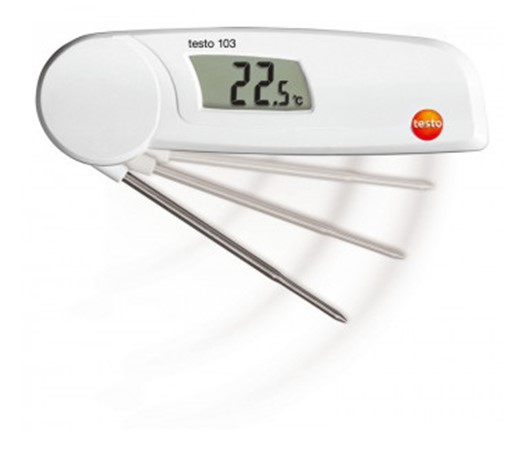 Testo 103 folding thermometer
 Milk quality analyzer "Laktan 1-4M" 500 isp. MINI
 Magnetic stirrer С-MAG HS7
 Laboratory table on supporting pedestal BA-CL-X.X SLv-t TR -a
 Homogenizer (laboratory blender) BagMixer
 Light colored glass bottle without a faucet
- Indicator strips for the determination of neutralizing substances (soda and ammonia) in milk, 100 pcs.
- Tagler TSLM 1-8 milk centrifuge (without heating) (Russia)
- Thermometer TS-7AMK for refrigerators and freezers (-35...+50 °C)
- HI 98509 Checktemp 1 Portable Electronic Thermometer with Remote Sensor
- Universal homogenizer Ultra-Turrax Tube Drive P control, IKA
- Reagent cabinet
- Blade Homogenizer MicroBio BA400
- Bürkle Qualirod tapered sampler 120 and 170 mm immersion depth
- Overhead stirrer WB2000-M
Packing



Additional Products
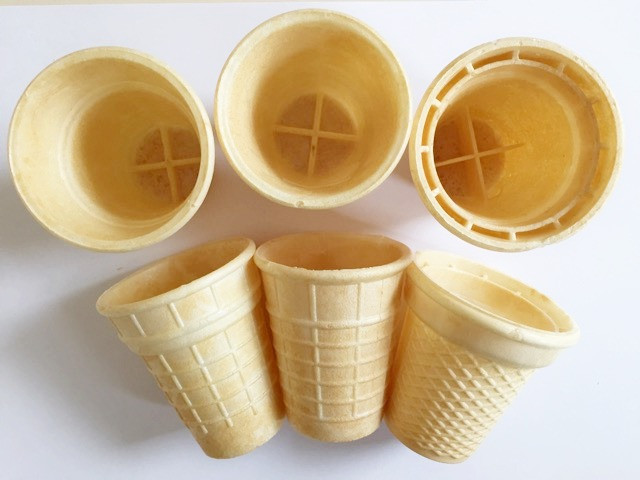 Wafer cup and cone
 Ice cream sticks Standard 93
 Ice cream sticks (round)
 Petri dish 90 mm
 J-Bottom technology
 Ice cream sticks Standard 114
- Ice cream sticks (with logo)
- Pepsin whey pork
- General purpose environment of SPC "Biocompass-S" (Uglich)
- Ice cream sticks Magnum (curly)
- Auxiliaries for sugar products


Microbiology
 MicroFast® Salmonella Count Plate (SAL), for the determination of Salmonella in food and environmental samples (Catalog #LR1006)
 Substrate for determining the number of staphylococci (Catalog number LR1005) MicroFast® Staphyloccocus aureus Count Plate
 Yeast & Mold Count Plate (cat. no. LR1003) MicroFast® Yeast & Mold Count Plate
 MicroFast® Microbiological Substrates
 Substrate for accelerated determination of QMAFAnM, (catalog number LR1321)
 MicroFast® Environmental Listeria Count Plate
- Coliform Count Plate (catalog number LR1002) MicroFast® Coliform Count Plate
- MicroFast® Coliform & E.coli Count Plate
- MicroFast® Enterobacteriaceae Count Plate (cat. no. LR1011)
- MicroFast® Staphyloccocus aureus Confirmation Plate Staph.aureus Confirmation Plate (cat. no. LR1005Q)
- MicroFast® Lactic Acid Bacteria Count Plate (Part Number LR1312)
- MicroFast® Bacillus cereus Count Plate (catalog number LR1010)
- Substrate for determining QMAFAnM (catalog number LR1001)
Our News
 Лечение рака в пробирке, недорогие аккумуляторы. Над какими проектами работают белорусские ученые12.12.2025
 "Perfect for pancakes, tiramisu, and cakes." What culinary masterpieces can you make with Chef Works cheeses, even at home?12.12.2025
 Минсельхозпрод скорректировал предельные минимальные цены на ряд экспортируемых товаров12.12.2025
- Pretzels that surprised Lukashenko: How a Minsk plant preserves the taste of the era11.12.2025
- Белорусская текстильная продукция впервые продана в Узбекистан на биржевых торгах11.12.2025
- Белорусские ученые работают над новыми подходами к лечению онкозаболеваний11.12.2025
- Биржевой товарооборот между Китаем и Брестской областью за год вырос более чем втрое 10.12.2025
- The Ministry of Housing and Communal Services proposed discussing the issues of waste management for goods and packaging10.12.2025
- В Румынии цены на яйца выросли почти на 60% за две недели10.12.2025
- БУТБ и Центр поддержки экспорта Башкортостана подписали соглашение о сотрудничестве07.12.2025
- Oman plans to invest in expanding dairy production in Belarus.05.12.2025
- Here, everything is focused on results: how does the Rodina Collective Farm maintain its reputation as a unique enterprise for Belarus?05.12.2025
- How to observe Lent without harming your health? We asked clergy and doctors.05.12.2025
- Over 2 million tons of milk and a billion eggs were produced in the Minsk region in 11 months.05.12.2025
- Лукашенко: Беларусь и Алжир в ближайшие год-два должны выйти на товарооборот хотя бы $500 млн04.12.2025
- Belarus is expanding opportunities to sell its goods to Mongolia and the UAE.04.12.2025
Articles
 Аргентинскую говядину ждет решающий год после заключения соглашения между Европейским союзом и Меркосур28.01.2026
 Argentina: Rising meat prices doubled inflation in 2025 and will drive the consumer price index higher again this year28.01.2026
 The CEO denied rumors about the sale of the Soviet meat processing plant.28.01.2026
- Россельхознадзор вернул на границе с Белоруссией 200 кг сыра и мясной продукции28.01.2026
- Аграрии Забайкалья продают излишки кормов для скота после успешной заготовки28.01.2026
- Fire at Reftinskaya Poultry Farm: Major Damage, No Casualties27.01.2026
- The N.I. Tkachev Agricultural Complex was named one of Russia's top employers by HeadHunter.27.01.2026
- Научные успехи в борьбе с вирусом гриппа птиц H5N1: российские учёные разработали новую вакцину27.01.2026
- A new investment project in the Askinsky District of Bashkortostan: the construction of a modern poultry farm27.01.2026
- Quarantine in the Tula region: Measures taken against brucellosis in cattle27.01.2026
- Mandatory livestock registration in Russia: New initiatives to support livestock farming27.01.2026
- Увеличение импорта мяса из Индии в Россию: новые перспективы сотрудничества27.01.2026
- A shipment of shawarma meat without the necessary documentation was detained in Mari El.27.01.2026
- US Broiler Market Outlook Week 4, January 26, 202627.01.2026
- US Hog Market Review for Week 4, January 26, 202627.01.2026
- US Cattle Market Review for Week 4, January 26, 202627.01.2026
Economics
 The EU will discuss simplifying the mechanism for freezing Russian assets.12.12.2025
 British banks have spoken out against the use of Russian assets.12.12.2025
 Reuters назвал фаворита на покупку зарубежных активов ЛУКОЙЛа12.12.2025
- Politico has learned of the EU's plan to simplify the mechanism for freezing Russian assets.11.12.2025
- Lavrov announced Trump's increase in sanctions against Russia.11.12.2025
- Суд ЕС отклонил иск Пумпянского о компенсации в размере €7,5 млн11.12.2025
- Bloomberg learned that Russia sent LNG to China despite sanctions.10.12.2025
- США поддержали Ирак в передаче актива ЛУКОЙЛа американской компании10.12.2025
- Sanctioned Russian investors have filed €53 billion lawsuits against the EU.10.12.2025
- Britain imposed sanctions against Dugin and the Rybar Telegram channel.10.12.2025
- Zakharova described Britain's sanctions against Dugin as "outdone herself."10.12.2025
- Reuters reported on the threat of a demographic catastrophe in Ukraine.05.12.2025
- In Britain, Sturges was recognized as an accidental victim of the assassination attempt on the Skripals.05.12.2025
- Reuters узнал о заявке венгерской компании на активы ЛУКОЙЛа05.12.2025
- МИД Британии вызвал посла России после доклада о смерти Стерджес05.12.2025
- МИД предупредил об ответе Лондону на санкции против ГРУ05.12.2025
Antibiotics in Milk
 Is it worth drinking antibiotics at the first sign of illness and what is the risk of it: an interview with a pharmacologist01.08.2020
 In Smolensk region the Rosselkhoznadzor Directorate returned to Belarusian consignors more than 33 tons of animal products transported with violations of veterinary requirements.04.02.2020
- Struggle for product quality and safety: experience of Belarusian colleagues19.11.2019
- Tiamphenicol07.08.2019
- Antibiotics in milk07.08.2019
- "While I'm talking to you nicely." The President threatened the government with prison for the death of a cattle25.07.2019
- Antibiotics in milk: Rumors and reality23.07.2019
- Antibiotics: harm or benefit17.07.2019
- Antibiotics in milk16.07.2019
Antibiotics in Meat
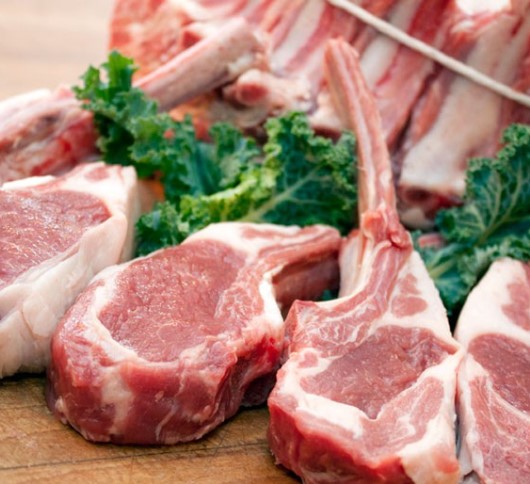 Antibiotics in Meat: Prevention, Regulation and Consumer Health Concerns12.01.2024
 Antibiotics in Fried or Boiled Meat: Facts and Misconceptions12.01.2024
 Antibiotics in Sausage: Reality, Risks and Need for Control12.01.2024
- Antibiotics in Pelmeni: Real Threat or Myth?09.01.2024
- Antibiotics in Pork: Health Effects and Cooking Recommendations08.01.2024
- Antibiotics in Chicken: Safety, Regulation and Consumer Health Concerns08.01.2024
- Antibiotics in meat: problems and solutions06.01.2024
- Antibiotics in Beef: Between Animal Health and Consumer Safety06.01.2024
- Antibiotics in Chicken Meat: Safety, Regulation and Concern for Consumer Health06.01.2024
- Antibiotics in Rabbit Meat: Safety, Efficiency and Care for Consumers05.01.2024
- Antibiotics in Pork: Balance Between Health Concerns and Consumer Safety03.01.2024
- Antibiotics in Lamb03.01.2024
- Antibiotics in Meat: Real Risks and Transparency in Food Production29.12.2023
10 Interesting Facts
 Marbled meat: 10 interesting facts19.01.2024
 10 Fascinating Facts About Cattle Hoof Baths18.01.2024
 Antibiotics - 10 interesting facts18.01.2024
- Cutlets - 10 interesting facts18.01.2024
- 10 Interesting Facts about Carp17.01.2024
- Salmon - 10 Interesting Facts17.01.2024
- Beer belly 10 interesting facts17.01.2024
- Beer - 10 interesting facts17.01.2024
- Antibiotic tests pioneer - 10 interesting facts17.01.2024
- Rubber rings for castration - 10 interesting facts17.01.2024
Diseases of cattle
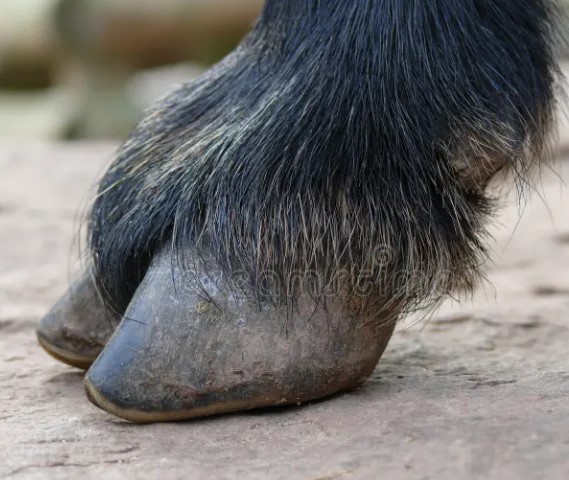 Dicroceliosis in cattle09.03.2024
 Demodicosis in cattle01.03.2024
 Purulent mastitis of cattle27.02.2024
- Hypodermatosis in cattle20.02.2024
- Hemonchoz in cattle11.02.2024
- Bursitis in cattle30.01.2024
- Brucellosis in cattle29.01.2024
- Bronchopneumonia in calves27.01.2024
- Bronchitis in cattle26.01.2024
- Mortellaro disease in cattle24.01.2024
- White muscle disease in cattle23.01.2024
- Babesiosis in cattle22.01.2024
- Cattle acidosis20.01.2024
- Arthritis in cattle20.01.2024
- Anaplasmosis in cattle18.01.2024
Misc
 A drunk pedestrian was hit by a car in Dokshitsy and is in the hospital.11.12.2025
 The number of shoplifting incidents in Latvia has increased sharply over the past year.11.12.2025
 In Minsk, a drunk car-sharing driver lost control and damaged two cars.11.12.2025
- "Alcohol is often the cause of such crimes." The court heard cases involving intentional infliction of grievous bodily harm.11.12.2025
- A drunk teenager broke a car's windows, climbed inside, and fell asleep. A criminal case has been opened for hooliganism.10.12.2025
- В Гомельской области за несколько дней было выявлено почти 3 тыс. нарушений ПДД10.12.2025
- They were trying to get people out of binge drinking without training or a license. A criminal group operating in the healthcare sector was shut down in Minsk.10.12.2025
- Что поможет быстро среагировать на пожар? Спасатели провели профилактический рейд в Минском районе07.12.2025
- In France, strikes have paralyzed the work of 26 alcoholic beverage producers.07.12.2025
- Sarkozy said he ate muesli, juice, and sweets in prison.07.12.2025
- In Grodno and the Grodno region, foreign citizens committed more than 70 serious traffic violations. 07.12.2025
- Житель Брестского района сжег паспорт жены, пытаясь предотвратить развод05.12.2025
- Сейм Латвии принял дефицитный бюджет с расходами на оборону в 4,9% от ВВП05.12.2025
- Скидки и акции. Что предлагает Белкоопсоюз в преддверии новогодних праздников 05.12.2025
- He threw a phone in someone's face and demanded money for alcohol. A Vitebsk resident was charged with beating his elderly mother.05.12.2025
- Каталась на чужом авто: в Червенском районе задержали угонщицу05.12.2025
Cloud of Tags
ОтпускВ китаеБразилияИнвестицииЗаконопроектСырыГерманияПродукты питанияЭкспортМолокоВирусЗеленскийМинсельхозДетиЕгипетБройлерСпутник vЦеныДональд ТрампВеликобританияИталияРаботаTelegramВладимир ПутинПитаниеБизнесИсследованияУрожаяСотрудники ГАИБолезньПесковМаслоКазахстанРоспотребнадзорПоддержкаОнлайнЯпонияминистр сельского хозяйстваПольшаМЧСАзербайджанПроизводство мясаReutersЕАЭССельское хозяйствоДолларЗависимостьГовядинаВакцинацииЖивотноеКитайОрганизмДиректорИмпортКрупный рогатый скотКофеАлкогольного опьяненияПрокуратураКанадаНовостиВьетнамCOVID-19ЗдоровьеЕСМоскваТурцияВакцинацияСанкцииAppleКолбасыМинфинТАССМясоFacebookБеларусьКРССанкт-ПетербургИммунитетАлкогольRussiaЗаконНефтьДеньгиРодителиДмитрий песковУборкаМясокомбинатНедвижимостьЯйцаФермерКартофельУкраинеПтицефабрикаЛечениеСвининаУкраинаМинздравИнфляцияКредитКризис2024РоссельхознадзорПодмосковьеАЧСЦентробанкСубсидииДжо БайденЕврокомиссияТатарстанУзбекистанВостокОбщепитРосстатМинскПродукцияПравительствоСудУченыеМясо птицыКлиматРоссиянеДоходыАнтибиотиковGoogleПродовольствиеВеликобританииВластиВыручкаЭкономикаЗапретКоронавирусФруктыКрупного рогатого скотаАвстралияКарантинГазпромBloombergСШАФранцияМужчиныПензенской областиРубльСмертьПраздникПроизводство молокаТребованияЛекарстваГовядинуАлександр ЛукашенкоРоссия