Restaurateurs announced a “vacuum” of cooks and bartenders
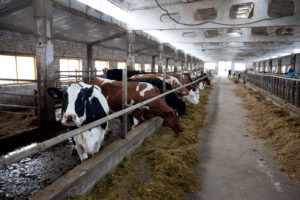
Photo is illustrative in nature. From open sources.


The jump in exchange rates, which has reduced the incomes of migrant workers in Russia, has exacerbated the problem with personnel in public catering - restaurateurs complain about a shortage of cooks and other personnel of up to 20-30%. Staffing shortages may increase wait times for food
The weakening of the ruble, which led to an outflow of migrants from Russia, as well as a lack of qualified personnel, aggravated the problem of staff shortages in the Moscow restaurant market, several market participants told RBC. The founder of the Chinese News restaurants, Stanislav Lisichenko, reported on the problem in his Telegram channel: “There is a terrible shortage of personnel in the Moscow restaurant market. There are simply no cooks,” notes Lisichenko.
Public catering lacks not only cooks, but also bartenders and cleaning staff, Sergei Mironov, founder of the Meat & Fish restaurant chain and chairman of the coordinating council of the Federation of Restaurateurs and Hoteliers (FriO), told RBC. According to him, now in Moscow there is a shortage of employees of about 20-30% - “there has never been such a vacuum.”
The acute problem of staff shortages has been felt since June 2023, the press service of the Walker noodle chain confirmed to RBC. “We also felt this ourselves, and that’s why, gritting our teeth, we had to increase the salaries of our employees. All our vacancies have been filled, but this was done at the cost of great effort. The problem really exists, and it is relevant,” the company points out.
There is certainly a shortage of personnel in the restaurant market, agrees the founder of the Teremok restaurant chain, Mikhail Goncharov - according to his estimates, it is about 20%. However, Goncharov explains the situation rather as a seasonal factor: “there are traditionally not enough employees every year from June to the end of October, then in January there are too many personnel, and by summer there is a shortage again.” According to him, this is due to the fact that in the summer employees leave Moscow and St. Petersburg to visit their families back home.
Why do restaurants lack staff?
One of the main reasons for the shortage of personnel, according to Lisichenko, was the “expensive dollar”, which over the past year has reduced the income of foreigners sending salaries home by almost 40% - all this has had an extremely negative impact on the labor market. In addition, the labor market was affected by the consequences of the special military operation in Ukraine - some were “scared,” some were mobilized, and others, including “new citizens of Russia,” left as volunteers, the entrepreneur lists. The last “nail in the coffin of the restaurant labor market,” according to Lisichenko, was the new autumn openings of restaurants that “pay absolutely any money“to simply recruit people and open”: the salaries of a line cook in restaurants that have not yet opened can reach up to 4 thousand rubles. per shift. The lack of staff may soon affect clients, Lisichenko warns: “Cooks will jump like little siskins from hot to cold workshops, and in between, cut their own workpieces. And guests will learn to wait for their orders, eat and order in courses; the wait for a hot dish on Saturday evening will be 45 minutes.”
Read PionerProdukt .by How remote work and the homeless turned San Francisco into a ghost town Growth of 21% or more: five Chinese stocks with an attractive upside From Iran to Astrakhan: how sanctions redrawn import routes Should we expect a rally in the oil market and how to make money on it private investorWhat happened to the exchange rate
May 2023 was remembered for the high volatility of the foreign exchange market - in the first half of the month, the dollar exchange rate managed to fall from ₽79.8 to ₽76.2, and then recovered to its previous level. From mid-May to September 2023, the dollar exchange rate added ₽16.5 to the ruble in absolute terms: according to Moscow Exchange data, as of September 4, the American currency on the Moscow Exchange cost ₽96.3. This was influenced by various factors - from an imbalance in export-import flows to panic buying against the backdrop of events around the Wagner PMC.
The acute shortage of employees in the Moscow restaurant market is primarily due to low wages and a lack of qualified personnel, says Alexey Vasilchuk, co-owner of the Restart Vasilchuk Brothers holding (Vasilchuki Chaihona No. 1, Depot food mall). “The restaurant market is not considered the most prestigious on the labor market,” Mironov complains. According to him, mostly people now prefer to become couriers or be self-employed. Another reason may be the tightening of migration policy, Mironov points out. “In addition, after the jump in the dollar exchange rate, it became unprofitable for migrants to work in Russia,” Vasilchuk added.
The share of foreigners employed in the Moscow restaurant market is about 60%, but if we talk only about fast food, then we are talking about 70–75%, estimates the head of the Walker project, Anton Krasulin. This happens because Russian citizens consider such work “thankless and difficult” even with large salaries, the expert points out. But against the backdrop of currency fluctuations, this work has become uninteresting for CIS citizens who send their salaries home, explains Krasulin. “Now many of our employees from the CIS choose to work not in Russia, but in other countries, for example the UAE, Turkey, South Korea,” says Krasulin. According to him, in these countries they have a comfortable salary and there are no sanctions that affected them when they worked in Russia.
How much do catering staff earn in Moscow?
According to the SuperJob service, the average salary of a general-purpose cook in Moscow as of September 4 was 70 thousand rubles. per month, over the year it grew by 7.7%. At the same time, the average salary of a baker was 60 thousand rubles. per month, over the year it grew by 9%. The confectioner receives on average the same amount per month; year on year his salary increased by 5%. The barista earns a little less - 52 thousand rubles. per month, which is 4% more than a year ago. A dishwasher earns the least in the catering industry - his average salary is 42 thousand rubles. on hand, compared to the beginning of September last year, an increase of 5%.
There have been shortages of employees since September 2022, after the start of partial mobilization, Mironov recalls. However, the departure of people abroad after partial mobilization ultimately had a minor impact on the restaurant labor market, since some people have already returned, Vasilchuk believes. Among other reasons for the lack of personnel for restaurants, Mironov names the demographic gap and the lack of training of people “for the industry,” as was the case, for example, during the planned economy of the USSR.
Another reason for the shortage of personnel may be the competition of restaurants for staff with a wider area of trade and services, including food delivery marketplaces, Krasulin believes - specific experience is not needed for these positions, he explains. In addition to this, against the backdrop of import substitution, more vacancies are appearing in other industries - agriculture , heavy and light industry enterprises in the regions attract employees who worked in Moscow, says Goncharov.
A shortage of staff in the restaurant industry leads to a decrease in the quality of service, an increase in the waiting time for visitors and a deterioration in the overall reputation of the establishment, says Anna Vasilyeva, an expert at the NEO consulting company. The trend of staff shortages in public catering, according to her, began a long time ago - even at the stage of coronavirus: “Even then, many young people changed their choice of field, having become disillusioned with public catering as a stable employer, and went to work as couriers, order pickers and warehouse workers, where the earnings higher than in public catering." Now interest in working in this area has continued to decline, including due to the lack of appropriate education and qualifications and competition from other industries. With the start of a special military operation, the number of young people willing to work in restaurants decreased,IT , and the weakening of the ruble had a negative impact on attracting foreign workers. “Restaurant clients have also changed - they have become more economical and leave restrained tips, which, in turn, affects the staff’s profits and their motivation to work in this area,” adds Vasilyeva.
Increasing employee salaries will not save the situation, since there is now zero unemployment in the Moscow market, and restaurants will simply lure employees away from each other, Mironov warns. According to him, one solution to the problem may be to attract personnel from developing countries friendly to Russia: “For example, many good ready-made chefs come from Kyrgyzstan.”
The Ministry of Industry and Trade forwarded personnel issues in the restaurant industry to the Ministry of Labor. RBC sent a request to the ministry, as well as to the Moscow Department of Trade and Services.
Who else is facing the problem of acute staff shortages?
Industry is also experiencing a shortage of employees. In July, 42% of industrial enterprises surveyed by the Market Research Laboratory of the Institute of Economic Policy named after A. Gaidar (IEP). This level of staff shortage was the highest since 1996, breaking the record achieved in April: then 35% of respondents indicated a shortage of employees.
The problem of staff shortages became acute back in January 2022, when the economy began to recover from the COVID-19 pandemic , when a quarter of enterprises reported a shortage of employees. Anti-Russian sanctions, which led to an increase in import -substituting goods, as well as the intensification of state defense orders and partial mobilization, increased the depth of the personnel shortage. In October 2022, after the announcement of partial mobilization, the share of those reporting a personnel shortage was 33%. In January 2023, the deficit decreased slightly to 27%, but in April 35% of companies already complained about the lack of workers.
Read together with it:
- The inflation rate in Russia at the beginning of February 2026 reached 6.5%.In particular, prices for fruit and vegetable products increased by 2.1%, with a significant increase for cucumbers (6.3%) and carrots (1.8%). Vodka also increased by 1%, while beef , eggs , and fish each increased by 0.4%. Meanwhile, the cost of pork and butter decreased slightly. In the service sector, there have been significant price increases for vacation trips to the UAE and Russia's Black S...
- Mexican and Canadian beef is losing ground in the US market.Beef from Mexico and Canada is losing ground in American kitchens and restaurants, despite being imported without tariffs imposed on all exports by US President Donald Trump a year ago. According to Tegra Consultant, Canadian meat sales to the United States have fallen by 23.56% over the past two years, while Mexican food exports to that market have fallen by 11.5......
- Kirilenko spoke about the problems facing Russian teams after sanctions were lifted.The head of the Russian Basketball Federation (RBF) stated that FIBA could make a final decision on the return of Russian basketball in April, but visa barriers remain the main problem. Andrei KirilenkoIn an interview with RBC Sport, Russian Basketball Federation (RBF) President Andrei Kirilenko discussed the possible return of Russian basketball to the international arena. He also cited visa an...
- Lavrov believes that US statements about cooperation are inconsistent with sanctionsSergey Lavrov US statements about the possibility of investment cooperation with Russia "do not fit" with Washington's sanctions policy, Russian Foreign Minister Sergey Lavrov said in an interview with RT. US President Donald Trump is in no rush to lift sanctions against Moscow, but is instead escalating them, Lavrov stated earlier during a government hour in the Federation Council. He recalled ho...
- The Russian ambassador warned of a reaction to the Faroe Islands' change in stance on sanctions.Vladimir BarbinThe Faroe Islands' change in stance on sanctions against Russia will not go unnoticed by Moscow, Russian Ambassador to Denmark Vladimir Barbin said in an interview with RIA Novosti. The statement was prompted by the Faroe Islands Parliament's decision to support sanctions against Russian fishing companies Norebo and Murman Seafood, as well as the Faroe Islands government's announcem...
- What does the expiration of the START Treaty mean?On February 5, 2026, New START, the last treaty between Russia and the United States that limited their nuclear arsenals, expired. RBC reports on how Moscow and Washington approached this date and what will happen afterward.On February 5, 2026, the Russian-American Treaty on Measures for the Further Reduction and Limitation of Strategic Offensive Arms (New START), the last agreement that limited t...
- Lukashenko heard a report on the Mogilev region. The main topic was the situation in agriculture.February 4, Minsk . On February 4, Belarusian President Alexander Lukashenko heard a report from Anatoly Isachenko, Chairman of the Mogilev Regional Executive Committee, BelTA reports. The report focused on the state of affairs in the region, following up on Tuesday's report in the Vitebsk Region. As the head of state noted the day before, many of the identified problematic issues are, to varying ...
- What major agricultural projects are being implemented in the Mogilev region?February 4, Mogilev. Fertilizer storage facilities are being restored, and mechanical engineering teams are expanding their operations. Chairman of the Mogilev Regional Executive Committee, Anatoly Isachenko, briefed journalists on the state of the region's agro-industrial complex, BelTA reports. Anatoly Isachenko noted that during his report to the head of state, the construction of a feed mill a...
- An expert identified possible areas of cooperation between Belarus and Southeast Asian countries.Irina Novikova, February 4, Minsk . Irina Novikova, Head of the Department of Management, Business Technologies, and Sustainable Development at the Belarusian State Technological University, Professor, and Doctor of Economics, discussed potential areas of cooperation between Belarus and Southeast Asian countries at a House of Representatives seminar entitled "Belarus and Southeast Asia in Search o...
Test for Atnibiotics in Milk
 Express tests for determining the residual amount of β-lactams, tetracyclines, chloramphenicol, streptomycins in milk, whey
 Rapid tests for determining the residual amount of tetracyclines in meat
 Express tests for determining the residual amount of β-lactams and tetracyclines in milk, whey
 Rapid 4 in 1 tests for determining the residual amount of neomycin, kanamycin, gentamicin, spectinomycin in milk, whey
Laboratory equipment
 IRF-454 B2M refractometer with illumination and additional scale (Russia)
 Scrubber "KELTRAN" (KELTRUN)
 Homogenizer (laboratory blender) BagMixer
 Butyrometers for milk, cream, skim milk and buttermilk
 VISCO Viscometer
 Cylindrical weights without head
- Fast IR decomposition systems - Turbotherm
- ROTAVISC IKA Viscometer (Germany)
- ColonyStar automatic microbial colony counter
- Closet
- Areometer AON - 1 (set of 19)
- HI 98509 Checktemp 1 Portable Electronic Thermometer with Remote Sensor
- IKA PETTE vario single-channel laboratory pipettes with variable volume (Germany)
- Analyzer of somatic cells in milk "SOMATOS Mini"
- Dry-air thermostats TS (SKTB, Smolensk)
Packing



Additional Products
 General purpose environment of SPC "Biocompass-S" (Uglich)
 Ice cream sticks (round)
 Pepsin whey pork
 Petri dish 90 mm
 Ice cream sticks Standard 114
 Ice cream sticks Standard 93
- J-Bottom technology
- Ice cream sticks Magnum (curly)
- Wafer cup and cone
- Ice cream sticks (with logo)
- Auxiliaries for sugar products

Microbiology
 MicroFast® Coliform & E.coli Count Plate
 Substrate for determining QMAFAnM (catalog number LR1001)
 Yeast & Mold Count Plate (cat. no. LR1003) MicroFast® Yeast & Mold Count Plate
 Coliform Count Plate (catalog number LR1002) MicroFast® Coliform Count Plate
 Substrate for determining the number of staphylococci (Catalog number LR1005) MicroFast® Staphyloccocus aureus Count Plate
 MicroFast® Lactic Acid Bacteria Count Plate (Part Number LR1312)
- MicroFast® Enterobacteriaceae Count Plate (cat. no. LR1011)
- Substrate for accelerated determination of QMAFAnM, (catalog number LR1321)
- MicroFast® Environmental Listeria Count Plate
- MicroFast® Staphyloccocus aureus Confirmation Plate Staph.aureus Confirmation Plate (cat. no. LR1005Q)
- MicroFast® Bacillus cereus Count Plate (catalog number LR1010)
- MicroFast® Salmonella Count Plate (SAL), for the determination of Salmonella in food and environmental samples (Catalog #LR1006)
- MicroFast® Microbiological Substrates
Our News
 В Беларуси начались продажи цитрусовых на биржевых торгах19.12.2025
 "Хотим четко понимать, что будет в нашем регионе". Чего еще белорусы ждут от ВНС18.12.2025
 Housing, transportation to work, and holiday bonuses. Just like at the Negnevichi agricultural cooperative.18.12.2025
- Строительство, транспорт, информация и связь. Минэкономики назвало лидеров по темпам роста в Беларуси18.12.2025
- Производства по выпуску поддонов намерены наладить в Дрогичинском и Лунинецком лесхозах18.12.2025
- Есть ли разница между сгущенкой и сгущенным молоком, разъяснили в ЕЭК18.12.2025
- Why do Belarusians travel to Russia for certain medications? The EEC Minister answered.18.12.2025
- A modern dairy complex for 800 heads of cattle was opened in the Volozhin district.17.12.2025
- Беларусь и Татарстан будут развивать биржевую торговлю продукцией нефтехимии и промышленными товарами16.12.2025
- Китайские компании начали продавать полимерную упаковку на БУТБ16.12.2025
- Производство сельхозпродукции в Беларуси в январе-ноябре увеличилось на 2,6%16.12.2025
- Новую молочно-товарную ферму ввели в эксплуатацию в Чечерском районе14.12.2025
- Инвестиции, дисциплина, шефское плечо. Сектор АПК намерены серьезно развивать в Гомельской области 14.12.2025
- Почему подростка 12-13 лет нельзя "загонять в детство"? Мнение священника14.12.2025
- БУТБ и Центр поддержки экспорта Владимирской области будут взаимодействовать по линии биржевой торговли13.12.2025
- Trade in food and agricultural products between Belarus and Serbia has increased by almost 30%.12.12.2025
Articles
 Успех птицефабрики «Сметанино»: Повышение производительности в рамках национального проекта28.01.2026
 Temporary restrictions on the import of Belarusian poultry products into Russia28.01.2026
 Wholesale pork prices are falling due to an influx of chicken from China.28.01.2026
- Презентация новых технологий утилизации отходов на бизнес-форуме iAGRI28.01.2026
- Новый мясоперерабатывающий завод за 2,5 миллиарда рублей появится в Курской области28.01.2026
- Аудит, проведенный Турцией, открывает новые возможности для бизнеса в сфере производства мяса и животноводства в Парагвае28.01.2026
- Europe's first outbreak of bird flu among cows has sparked alarm in Galicia.28.01.2026
- Канада одобрила использование свиней, устойчивых к PRRS, в пищевой цепочке28.01.2026
- Argentina: Distribution of Chinese quota among exporters should be regulated28.01.2026
- Bankruptcy of the Bashkir Poultry Complex: Creditors and partners may be held liable28.01.2026
- The Bashkirskaya poultry farm received the right to insurance payments after a widespread outbreak of bird flu.28.01.2026
- Miratorg is recognized as a leader among employers of young people in the agricultural sector.28.01.2026
- Аграрии России получили рекордные выплаты: более 10,8 млрд рублей за утрату урожая и поголовья в 2025 году28.01.2026
- Russia is expecting a new surcharge on freight rail tariffs starting in the spring of 2026.28.01.2026
- Brazil breaks beef export record28.01.2026
- Высокий спрос в Соединенных Штатах на высококачественные отрубы говядины приводит к росту цен на говядину в Мексике28.01.2026
Economics
 Rubio said Ukraine is receiving weapons from the US, while Russia is receiving sanctions.20.12.2025
 The EU has expanded sanctions against the shadow fleet.19.12.2025
 Britain imposed sanctions against Tatneft and RussNeft19.12.2025
- WSJ узнала о планах США «устроить карантин» для флота Венесуэлы19.12.2025
- Bloomberg подтвердил возможные «контрмеры» России против ЕБРР и APG19.12.2025
- The EU will discuss the fate of Russia's assets. In which countries are they frozen?18.12.2025
- Foreign Affairs рассказала о реальной угрозе Европе18.12.2025
- Reuters узнал, что Трамп еще не принял решение по санкциям против России18.12.2025
- Вилла Ротенберга в Финляндии попала под арест из-за налогового долга18.12.2025
- China has spoken out against the seizure of Russia's frozen assets in the EU.17.12.2025
- Эстония предложила ужесточить визовые меры для борьбы с теневым флотом17.12.2025
- How are the frozen Russian assets that the EU wants to seize distributed?16.12.2025
- Euractiv named seven EU countries that oppose the seizure of Russian assets.16.12.2025
- Helsinki stated that the EU has no alternative to confiscating Russian assets.16.12.2025
- The United States has decided to ease sanctions against Belarus.14.12.2025
- Орбан обвинил ЕС в систематическом нарушении законов ради Украины12.12.2025
Antibiotics in Milk
 Antibiotics found in McDonald's Big Mac and KFC Chefburger05.05.2021
 McDonald's accused Roskachestvo of violations in the study of burgers05.05.2021
 Rospotrebnadzor gave recommendations on taking antibiotics05.05.2021
- Scientists discover new cause of Parkinson's disease05.05.2021
- Doctors called the main mistakes in the treatment of influenza and SARS05.05.2021
- Doctor Komarovsky spoke about the negative consequences of taking antibiotics05.05.2021
- Ministry of Health expert urged not to use antibiotics to prevent COVID05.05.2021
- The Ministry of Health expressed concern about the increase in the use of antibiotics for COVID05.05.2021
- Expert of the Ministry of Health spoke about the consequences of taking antibiotics for COVID-1905.05.2021
- The pulmonologist said the inadmissibility of antibiotics for the prevention of COVID05.05.2021
- Antibiotics are medicines aimed at destroying certain disease-causing bacteria in a living organism.02.04.2021
- Myasnikov warned against the use of antibiotics for COVID-1927.02.2021
- Russia has banned the import of products from four Belarusian agricultural enterprises. Another one is under enhanced control26.11.2020
- Belarus implements a project to destroy obsolete pesticides24.11.2020
- Why antibiotics (and only if they) are incompatible with alcohol?10.11.2020
- antibiotics and milk23.10.2020
Antibiotics in Meat
 Antibiotics in Meat: Prevention, Regulation and Consumer Health Concerns12.01.2024
 Antibiotics in Fried or Boiled Meat: Facts and Misconceptions12.01.2024
 Antibiotics in Sausage: Reality, Risks and Need for Control12.01.2024
- Antibiotics in Pelmeni: Real Threat or Myth?09.01.2024
- Antibiotics in Pork: Health Effects and Cooking Recommendations08.01.2024
- Antibiotics in Chicken: Safety, Regulation and Consumer Health Concerns08.01.2024
- Antibiotics in meat: problems and solutions06.01.2024
- Antibiotics in Beef: Between Animal Health and Consumer Safety06.01.2024
- Antibiotics in Chicken Meat: Safety, Regulation and Concern for Consumer Health06.01.2024
- Antibiotics in Rabbit Meat: Safety, Efficiency and Care for Consumers05.01.2024
- Antibiotics in Pork: Balance Between Health Concerns and Consumer Safety03.01.2024
- Antibiotics in Lamb03.01.2024
- Antibiotics in Meat: Real Risks and Transparency in Food Production29.12.2023
10 Interesting Facts
 Marbled meat: 10 interesting facts19.01.2024
 10 Fascinating Facts About Cattle Hoof Baths18.01.2024
 Antibiotics - 10 interesting facts18.01.2024
- Cutlets - 10 interesting facts18.01.2024
- 10 Interesting Facts about Carp17.01.2024
- Salmon - 10 Interesting Facts17.01.2024
- Beer belly 10 interesting facts17.01.2024
- Beer - 10 interesting facts17.01.2024
- Antibiotic tests pioneer - 10 interesting facts17.01.2024
- Rubber rings for castration - 10 interesting facts17.01.2024
Diseases of cattle
 Dicroceliosis in cattle09.03.2024
 Demodicosis in cattle01.03.2024
 Purulent mastitis of cattle27.02.2024
- Hypodermatosis in cattle20.02.2024
- Hemonchoz in cattle11.02.2024
- Bursitis in cattle30.01.2024
- Brucellosis in cattle29.01.2024
- Bronchopneumonia in calves27.01.2024
- Bronchitis in cattle26.01.2024
- Mortellaro disease in cattle24.01.2024
- White muscle disease in cattle23.01.2024
- Babesiosis in cattle22.01.2024
- Cattle acidosis20.01.2024
- Arthritis in cattle20.01.2024
- Anaplasmosis in cattle18.01.2024
Misc
 В реальном и виртуальном пространстве. В МВД рассказали о рисках для школьников в период каникул 23.12.2025
 Traffic police in the Vitebsk region detained 14 unlicensed drivers over the weekend.23.12.2025
- A Minsk resident forged a sick leave certificate to conceal the circumstances of his injury.23.12.2025
- В Могилеве таксист украл оставленный в авто ноутбук21.12.2025
- A car driven by a drunk driver overturned on the Moscow Ring Road. 21.12.2025
- Усиленный контроль. Как в Минске будут обеспечивать безопасность в новогодние праздники19.12.2025
- VR farms, BulbaTech, a racing truck. What's so special about the "My Belarus" exhibition?19.12.2025
- The number of drownings in the Minsk region has been reduced by 30% this year.18.12.2025
- Житель Гомельского района предъявил ГАИ фальшивые права: возбуждено уголовное дело17.12.2025
- ГАИ столицы 19 декабря проведет Единый день безопасности дорожного движения под девизом "Останови беду!"17.12.2025
- На дорогах Витебской области за выходные произошло почти 60 ДТП 16.12.2025
- Около 60 бесправников остановили на дорогах Гомельской области за три дня 16.12.2025
- Alcohol was hidden in air heaters. A Polish carrier imported undeclared goods into the EAEU.16.12.2025
- A cyclist was killed by a truck in the Zhlobin district. 13.12.2025
- A Minsk resident slammed a store door to vent his anger: a criminal case has been opened.13.12.2025
- The Ministry of Antimonopoly Regulation and Trade has established a list of alcohol for free import in 2026.12.12.2025
Cloud of Tags
ЛекарстваОбщепитМинздрав2024ЦеныБразилияНедвижимостьАлкогольЭкономикаМаслоОтпускДеньгиКризисКанадаУборкаВыручкаУрожаяОнлайнЛечениеДолларReutersЖивотноеКолбасыПтицефабрикаУкраинеМинфинГовядинуЯйцаДжо БайденВакцинацииНовостиМясокомбинатПроизводство молокаУзбекистанАлександр ЛукашенкоСырыТАССМясоAppleНефтьСудЕврокомиссияИсследованияАзербайджанВакцинацияИталияДетиСельское хозяйствоПродукцияВостокГазпромБолезньВеликобританииПитаниеМужчиныАвстралияПольшаМясо птицыКоронавирусСубсидииЭкспортРубльФранцияКофеБеларусьCOVID-19ЗависимостьПраздникПроизводство мясаРодителиGoogleМинсельхозЗдоровьеЗаконопроектГовядинаВластиФермерУченыеИммунитетСанкцииАнтибиотиковДоходыКарантинСпутник vТурцияКредитБройлерВ китаеСотрудники ГАИЕгипетКрупный рогатый скотТатарстанЗапретКартофельRussiaРоспотребнадзорЗаконПесковРосстатЗеленскийДмитрий песковРаботаАлкогольного опьяненияПензенской областиБизнесПодмосковьеГерманияКитайМолокоЯпонияФруктыBloombergЕСИнвестицииПродукты питанияВьетнамКлиматОрганизмминистр сельского хозяйстваИнфляцияВладимир ПутинСвининаСШАКрупного рогатого скотаРоссельхознадзорTelegramМинскЦентробанкАЧСВирусТребованияВеликобританияМЧСПродовольствиеДиректорПравительствоИмпортРоссияЕАЭСКазахстанСмертьМоскваFacebookСанкт-ПетербургУкраинаПрокуратураДональд ТрампКРСПоддержкаРоссияне